
Every year, global households and industries discard millions of tonnes of food scraps. Banana peels, coffee grounds, and apple cores are routinely sent to overflowing landfill sites, where they decompose and release potent greenhouse gases. But what if we told you that this everyday rubbish is actually a highly valuable resource? In the rapidly evolving world of green technology, scientists are discovering that common food waste holds the miraculous ability to purify toxic water.
This breakthrough represents a radical shift in environmental innovation, proving that the future of sustainability depends on completely rethinking how we view waste.
The Science of the Organic Sponge
Industrial wastewater is frequently contaminated with heavy metals, synthetic dyes, and agricultural chemicals. Traditionally, cleaning this water required expensive, carbon-intensive synthetic filters. However, researchers have found a far more sustainable solution in the cellular structure of agricultural byproducts.
Organic matter, such as discarded fruit peels and spent coffee grounds, is naturally rich in compounds like cellulose, lignin, and pectin. When properly dried and processed, these materials act as microscopic, highly absorbent sponges. Through a biological process known as biosorption, these food scraps bind to toxic pollutants, effectively pulling them directly out of contaminated water streams. By replacing synthetic filters with these abundant, biodegradable alternatives, we can clean our waterways while simultaneously reducing the volume of waste sent to landfills.
A Wider Culture of Circular Sustainability
This incredible leap in green technology does not exist in a vacuum. It reflects a much broader cultural shift towards the circular economy—a system designed to eliminate waste by keeping resources in use for as long as possible. We are seeing this demand for circular, ethical solutions permeate almost every aspect of modern life.
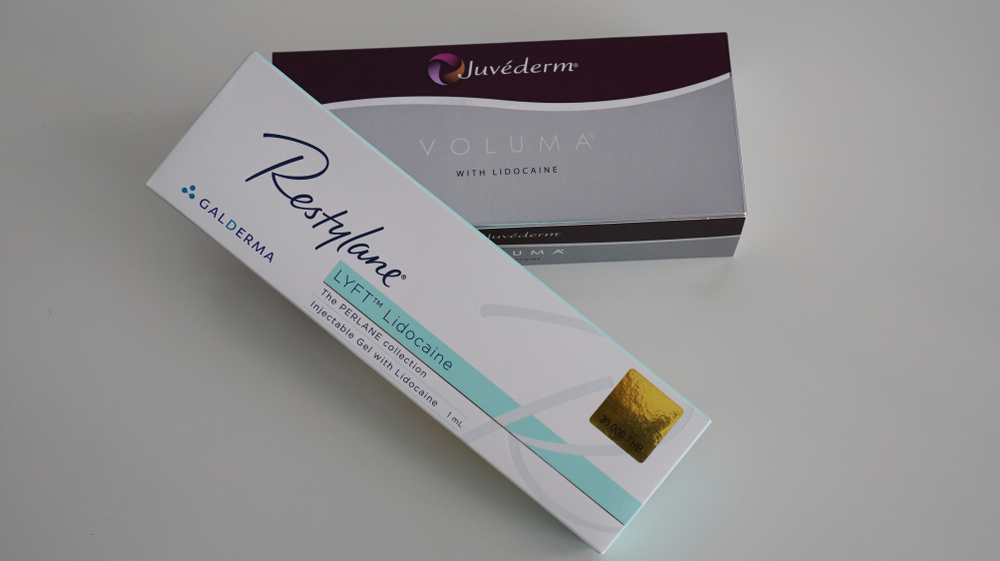
Consider the modern consumer’s approach to personal wellness. Today, people are acutely aware of the environmental footprint of their habits. When individuals curate their daily Skin Care Routine, they increasingly seek out sustainably sourced Hyaluronic Acid Products packaged in recyclable materials. This same conscientious mindset applies to the clinical sector. Clients booking professional Beauty Treatments or holistic Body Treatments expect their chosen clinics to minimise single-use plastics and embrace eco-friendly practices. The universal desire to do better for the planet unites our everyday vanity tables with cutting-edge global infrastructure.
Reimagining Our Resources
The true promise of using food waste for water purification lies in its scalability. Because agricultural byproducts are generated constantly and globally, they offer a low-cost, incredibly accessible tool for developing nations struggling with clean water access.
Ultimately, turning food scraps into eco-filters is a masterclass in green innovation. It challenges us to look at the discarded apple core on our kitchen counter and see not just rubbish, but a vital piece of the environmental puzzle. By embracing circular thinking, green tech is ensuring that the solutions to our most complex climate challenges might just be hiding in our compost bins.