Losing your hair often feels frustrating. For decades, restoring a full hairline required long, exhausting surgeries that relied entirely on a doctor’s stamina. Now, advanced technology is shaking up the industry. Clinics worldwide are adopting robotic systems to extract and implant hair follicles.
This shift raises a major question: is the surgeon’s hand becoming obsolete? Let us look at how automation changes hair restoration, its limits, and why human expertise still matters.
The Rise of Robotic Precision
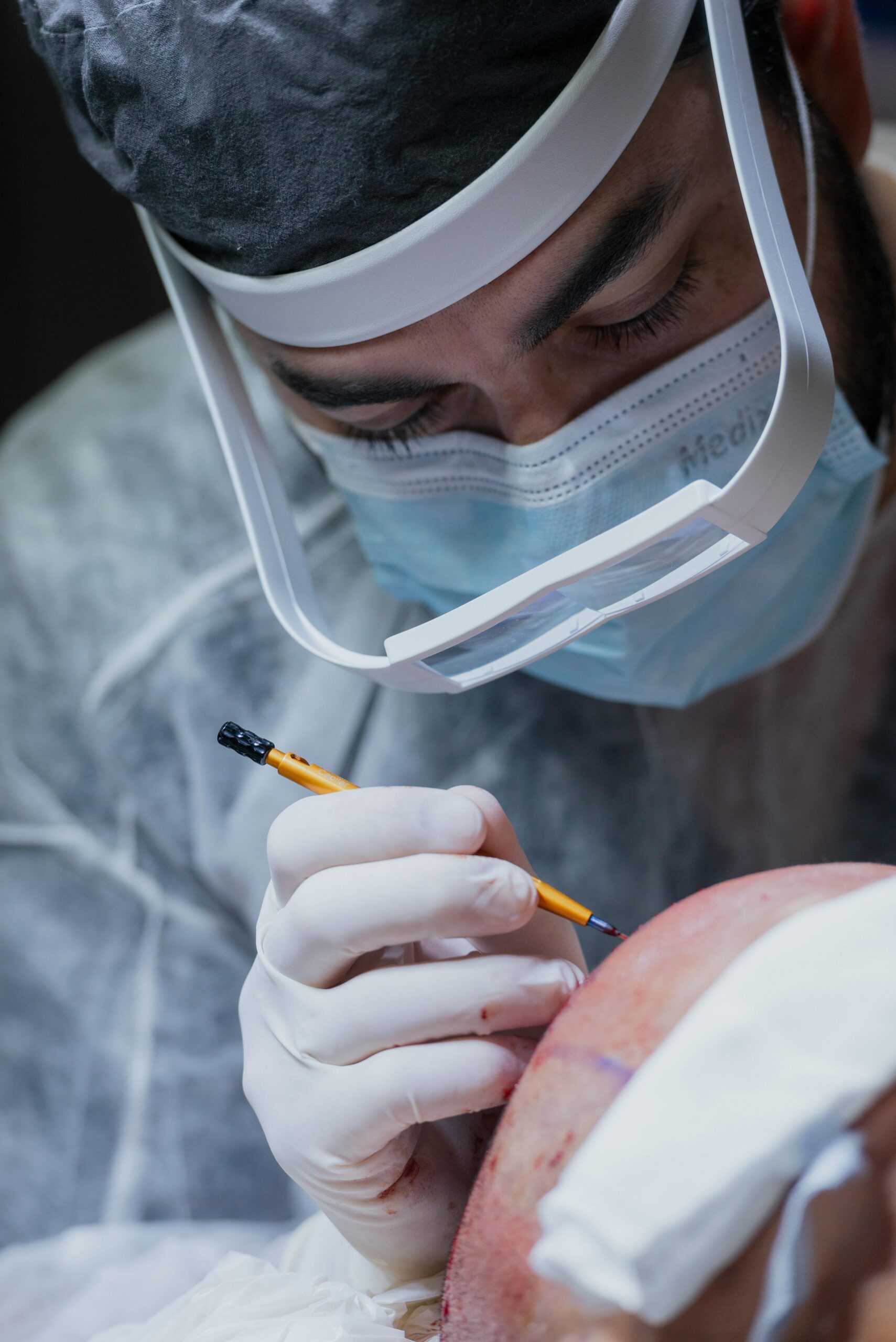
Traditional follicular unit extraction (FUE) requires a surgeon to manually punch and extract thousands of individual hair follicles. This process takes hours and can lead to hand fatigue. Robotic systems change the game by using artificial intelligence and high-resolution optical guidance.
The robot scans your scalp, maps out the best donor hairs, and extracts them with pinpoint accuracy. This automated precision ensures minimal damage to the follicles. Because the robot does not get tired, the thousandth extraction is just as perfect as the first. This efficiency often leads to faster recovery times and better overall growth rates for patients.
Beyond the Machine: Comprehensive Care
While robots handle the tedious extraction phase, achieving the best results often requires a multi-step approach. Many clinics pair robotic transplants with regenerative methods to maximize growth. For instance, combining surgery with a targeted Hair Loss Treatment / PRP helps stimulate the newly implanted follicles.
Using platelet-rich plasma, much like a PRP Therapy / Vampire Facial does for facial Skin Rejuvenation, encourages faster healing and thicker hair density. High-end clinics supply their teams with the best Aesthetic Consumables to ensure these complementary treatments run smoothly.
Why the Human Touch Still Matters
Despite their incredible speed and accuracy, robots cannot replace human artistry. A machine excels at repetitive tasks, but it lacks an eye for aesthetics.
Designing a natural-looking hairline requires a deep understanding of facial symmetry, age-appropriate recession, and individual hair growth patterns. A robot does not know how to angle a follicle so it perfectly frames your face. The surgeon must design the blueprint. The doctor programs the machine, monitors its progress, and often performs the actual implantation to ensure the hair falls naturally.
The Perfect Partnership
We are not entering an era where robots completely replace doctors. Instead, we are seeing a powerful partnership. The robot acts as the ultimate surgical assistant, taking over the exhausting manual labor. This frees up the surgeon to focus entirely on the artistic and medical aspects of your care.
If you want to restore your hair, robotic technology offers a safer, faster, and more precise option. Just remember that the machine is only as good as the expert operating it. When exploring Beauty Treatments or hair restoration, always choose a highly qualified surgeon who uses technology to enhance their skills, not replace them.