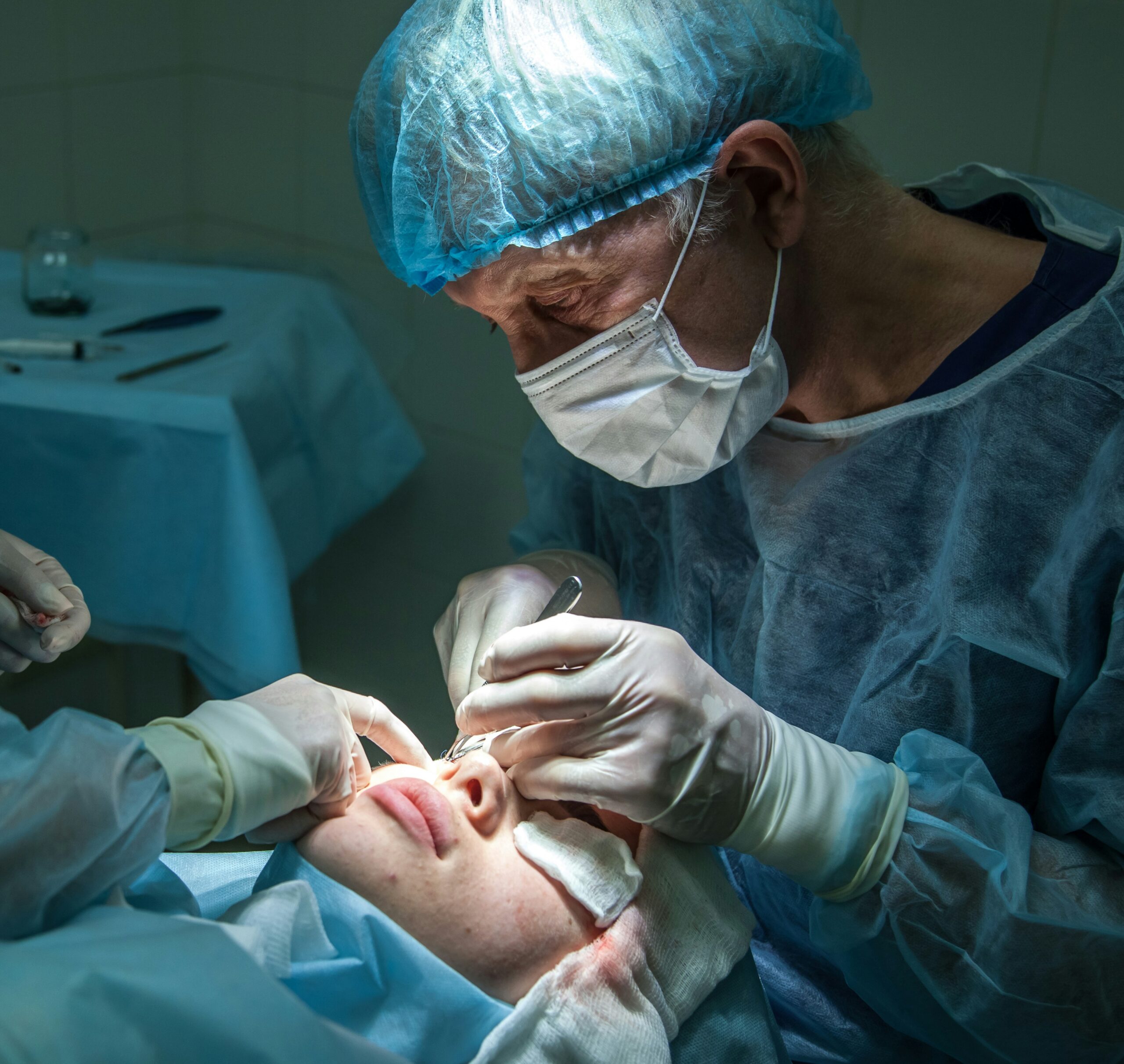
The traditional “mummy makeover” — typically a combination of tummy tuck, breast surgery, and liposuction performed in a single surgical session — is no longer the only serious option for postpartum body concerns. A growing category of non-surgical and minimally invasive treatments is giving new mothers genuine alternatives that don’t require weeks of recovery away from a newborn, and for many patients, they’re becoming the first stop rather than surgery as a last resort.
Why the Traditional Approach Doesn’t Suit Everyone
Combination surgery demands significant recovery time, general anaesthetic, and time away from childcare responsibilities that many new mothers simply don’t have available, particularly with a very young baby or without extensive support at home. It’s also often not appropriate until a year or more postpartum, once weight has stabilised and breastfeeding has finished. For concerns that don’t require full surgical correction, that timeline and recovery burden can feel disproportionate to the actual problem.
Addressing Skin Laxity Without Surgery
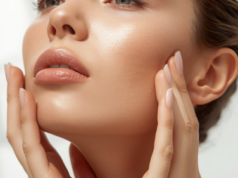
Skin laxity — particularly on the abdomen — is one of the most common postpartum concerns, and increasingly it’s treated with energy-based devices rather than surgical excision alone. Skin Tightening Treatments and broader Skin Rejuvenation protocols can meaningfully improve skin quality and firmness for patients whose primary issue is laxity rather than significant excess skin, without any surgical downtime. Results build gradually over several sessions rather than appearing immediately, which is a genuine trade-off compared to surgery, but one many new mothers find manageable given the near-zero recovery time.
Facial Changes Deserve Attention Too
Pregnancy and postpartum hormonal shifts affect the face as much as the body, often accelerating volume loss and skin quality changes that patients don’t always connect to childbirth. A Non-Surgical Facelift or Liquid Facelift using Hyaluronic Fillers can restore volume lost during pregnancy, and a Thread Lift offers a more visible lift for those wanting a stronger effect without surgery. Wrinkle Reduction treatments are commonly requested at the same time, though anyone currently breastfeeding should discuss timing and suitability directly with their practitioner, since individual guidance varies and this isn’t a decision to make from general information alone.
Regenerative Treatments for Skin Quality
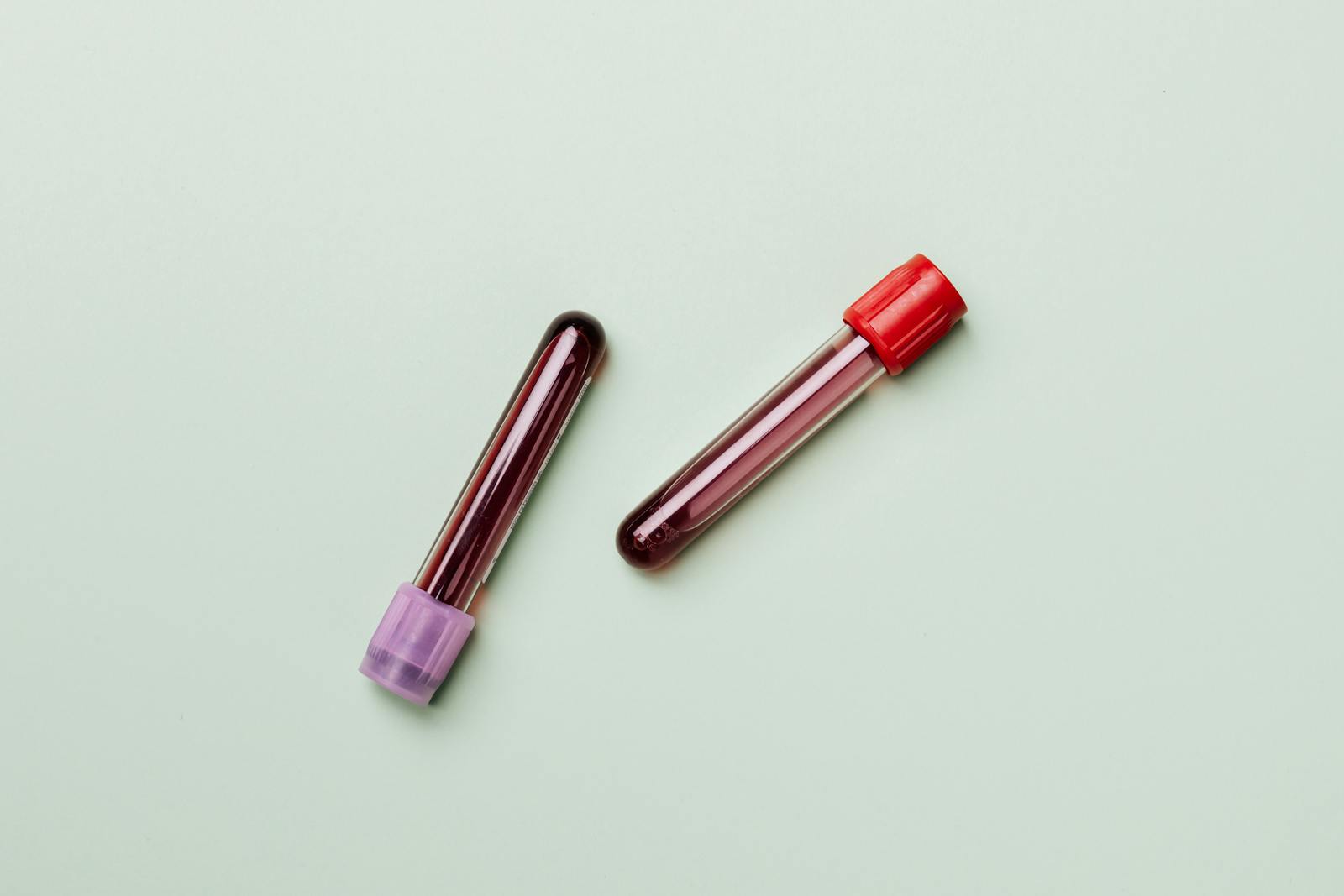
Postpartum skin changes go beyond volume loss, and regenerative treatments increasingly form part of a non-surgical plan. Skin Boosters, Polynucleotides and PRP Therapy / Vampire Facial all work to support genuine tissue quality improvement rather than simply adding volume, which suits many new mothers looking for gradual, natural-looking change rather than a dramatic single intervention.
The Hormonal and Metabolic Piece
Postpartum weight retention is a genuine, common concern separate from skin laxity itself, and medically supervised Weight Loss Injections / Mounjaro programmes are increasingly considered by patients once breastfeeding has finished and a GP has confirmed suitability, rather than pursued during pregnancy or lactation. Combining metabolic support with skin-focused treatments, in the right order and with proper medical oversight, tends to produce a more complete result than either approach alone.
When Surgery Still Makes Sense
None of this replaces surgery for significant muscle separation (diastasis recti), substantial excess skin, or cases where non-surgical options genuinely can’t achieve the needed correction. The shift isn’t “surgery is obsolete” — it’s that surgery is now one option among several, rather than the automatic default for every postpartum concern, and a proper consultation should honestly assess which category a given patient actually falls into.
The Takeaway
The mummy makeover has evolved from a single surgical package into a genuine spectrum of options, ranging from energy-based skin tightening to regenerative facial treatments to, when truly needed, surgery itself. For many new mothers, the ability to address real concerns without extended recovery time away from a young child is what makes this evolution genuinely useful, not just a marketing trend.