
For decades, a facelift was the answer to sagging skin and lost volume — a single surgical event, followed by weeks of downtime, that “reset the clock.” Today, that assumption is being quietly challenged. A new generation of regenerative and minimally invasive treatments is giving patients gradual, natural-looking rejuvenation without a scalpel, and more people than ever are asking: do I actually need surgery, or is there a better way?
Why Patients Are Rethinking Surgery
A facelift repositions tissue, but it doesn’t rebuild it. It can’t restore lost collagen, improve skin quality, or reverse the cellular changes that caused the sagging in the first place. Regenerative medicine works differently — it aims to stimulate the body’s own repair processes so skin looks and behaves younger from the inside out, rather than simply being pulled tighter.
This shift in thinking is why so many clinics now build rejuvenation plans around Regenerative Medicine principles first, reserving surgery for cases where skin laxity has gone beyond what biology alone can correct.
The Regenerative Toolkit
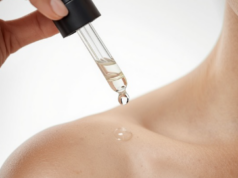
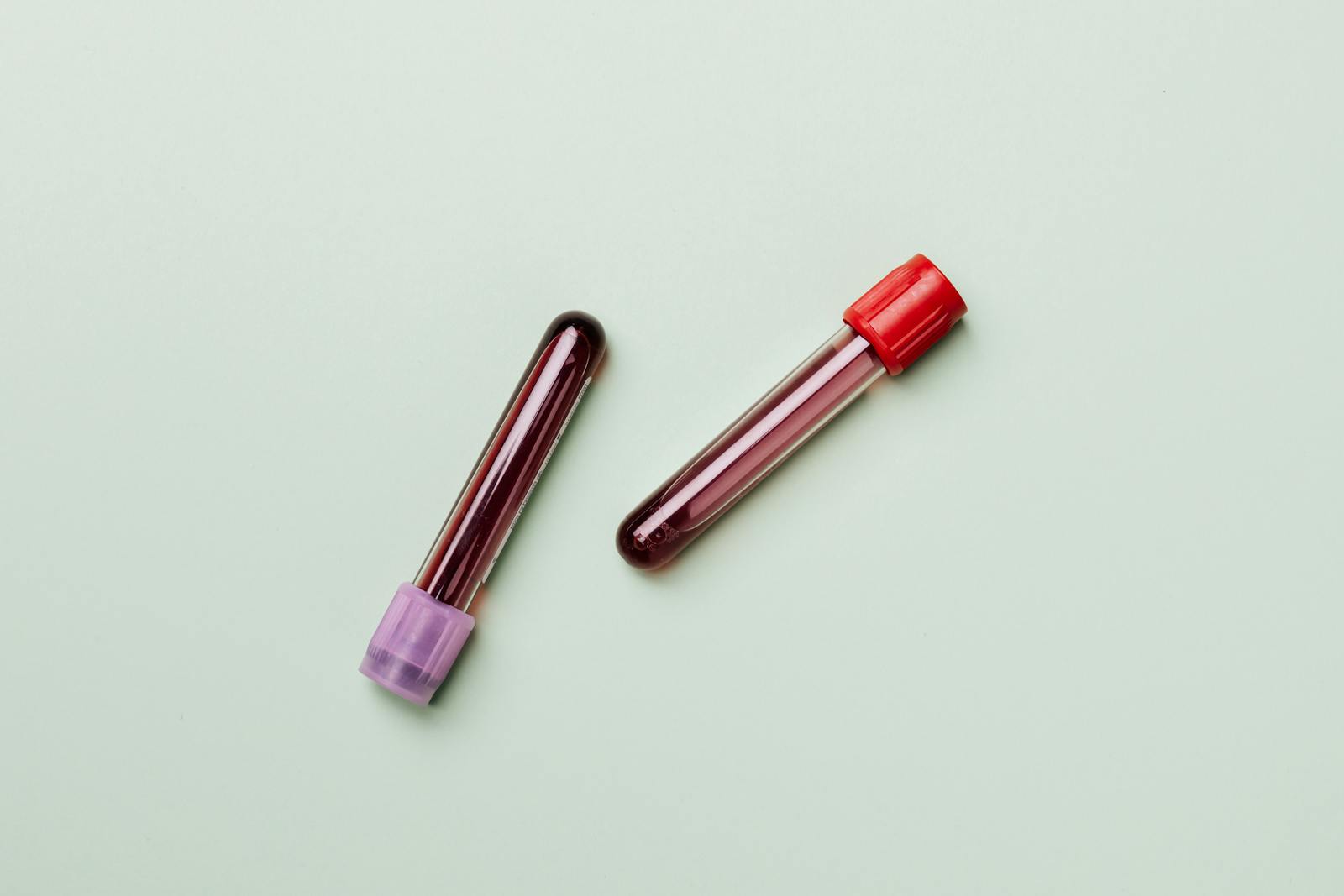
At the centre of this shift are treatments that work at a cellular level. PRP Therapy / Vampire Facial uses a patient’s own platelet-rich plasma to trigger tissue repair and new collagen formation. Polynucleotides and Exosomes / Puresomes go a step further, delivering the cellular signals that encourage skin to regenerate rather than just appear firmer temporarily. Clinics offering Polynucleotide Injectables alongside traditional Hyaluronic Fillers are increasingly blending the two approaches — restoring volume while genuinely improving the quality of the skin around it.
Energy-based devices have followed the same logic. 3D Radiofrequency Microneedling and Radio Frequency Microneedling, along with standard Microneedling, create controlled micro-injury that prompts the skin to Boost Collagen Production naturally. Skin Tightening Treatments and broader Skin Rejuvenation protocols work on a similar principle, using heat to encourage the dermis to remodel and firm from within.
Non-Surgical Alternatives to the Lift
Where a facelift once had few real competitors, options have multiplied. A Non-Surgical Facelift or Liquid Facelift can reposition volume using Anti-Aging Injections and Injectable Treatments, addressing Wrinkle Reduction and structural loss without an incision. A Thread Lift offers a mechanical lift for those who want more visible tightening while still avoiding surgery, and structural work such as Cheek Enhancement, Jaw Filler / Enhancement, Temple Filler and Tear Trough Filler can restore the specific areas that hollow out first with age. Where previous filler has aged poorly or migrated, Filler Dissolving and Dissolving Lip Fillers allow a clean reset before starting again.
None of this replaces surgery for every patient — but it does mean far fewer people need to reach for it as a first option, and many can delay a facelift by years simply by maintaining skin quality well.
Building the Foundation: Skin Quality First
Regenerative results depend on what’s happening beneath the surface every day, not just what happens in the clinic. Skin Boosters and a consistent Skin Care Routine — built around Hyaluronic Acid Products and daily Sun Screen — form the groundwork that any in-clinic regenerative treatment builds on. Skip this stage and even the best injectable or device struggles to hold its result.
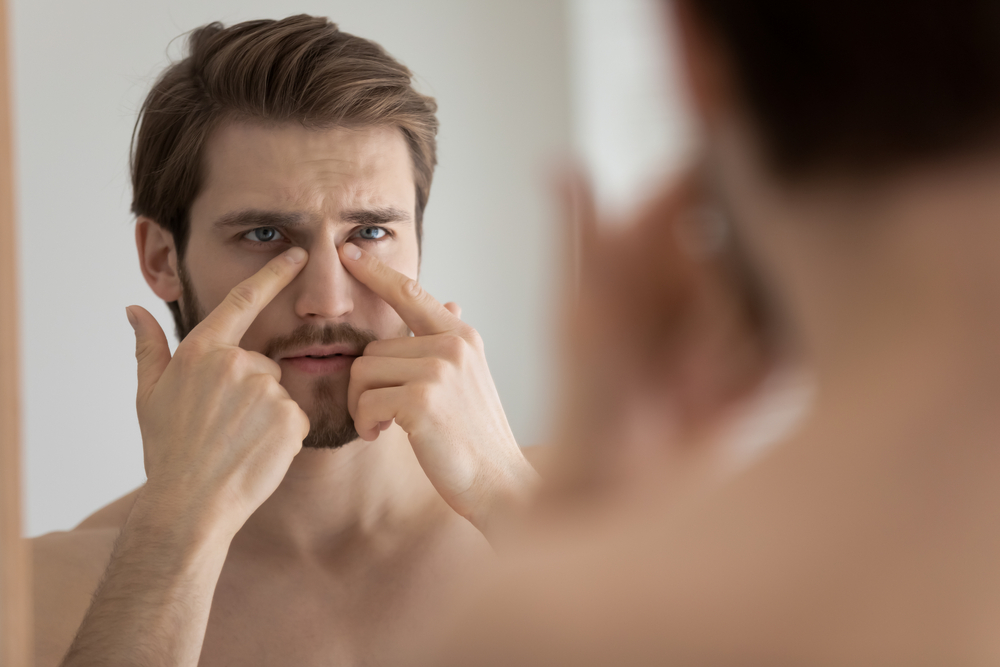
Complementary treatments round out the picture: Hydrating Facials, a Hydra Glow Facial, Prescription-Grade Facials and Chemical Peels as part of a wider Facials and Peels menu all support texture and tone between more intensive regenerative sessions. Targeted concerns haven’t been left behind either — Dark Circle Treatment, Rosacea Treatment, Chin Fat Dissolver and FILLMED Bio Nutri Lips each address a specific sign of ageing without any downtime. Lip Fillers remain one of the most requested items on any Beauty Treatments menu, and even hair is part of the same regenerative story — Hair Loss Treatment / PRP uses the same underlying science as facial PRP work, while Body Treatments and Botox Injections or Safe Botox Injections / Toxins complete a genuinely full-face, full-body plan.
Hormonal and metabolic health matter here too — visible ageing rarely happens in isolation. Medically supervised Weight Loss Injections / Mounjaro programmes are increasingly considered alongside skin-focused regenerative work, since sudden weight change can itself affect facial volume and skin laxity.
Sourcing Matters as Much as the Technique
Regenerative medicine is only as good as what’s actually being injected or applied. Reputable clinics source from an established Aesthetic Medicine Shop or trusted supplier of Wholesale Dermal Fillers, Mesotherapy Products (US) and Medical Grade Peels, alongside wider Aesthetic Consumables. It’s a fair question to ask any provider before committing to a regenerative programme — and one of the simplest ways to judge whether they take safety as seriously as results.
The Verdict
Regenerative medicine isn’t replacing the facelift outright — surgery still has a place for significant, longstanding skin laxity. But for a growing number of patients, a well-planned combination of PRP, polynucleotides, energy-based devices and targeted injectables is delaying that conversation by years, and in some cases removing the need for it altogether. The real shift isn’t “surgery versus no surgery” — it’s the growing understanding that skin quality, not just position, is what actually makes a face look younger.