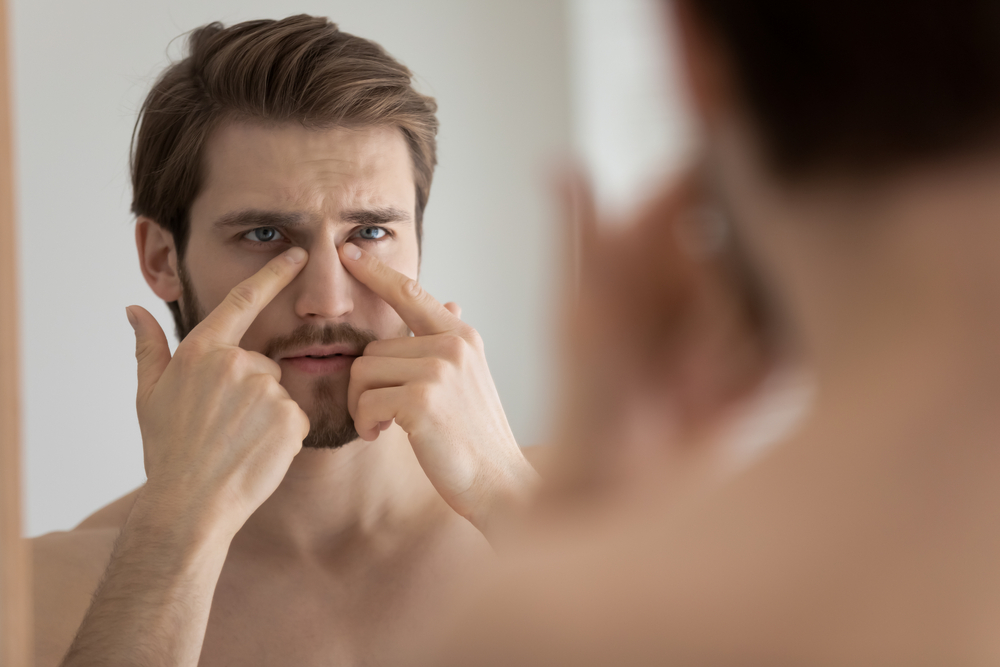

When an individual decides to alter their physical appearance, the focus usually falls entirely on the physical outcome. Patients spend hours researching surgeons, browsing before-and-after photos, and preparing for recovery. However, the medical aesthetic industry is beginning to ask a crucial question: are we ignoring the mind? As cosmetic procedures become more accessible, the debate over whether every patient should undergo a psychological screening before receiving treatment is gaining serious momentum.
The Hidden Threat of Body Dysmorphic Disorder
Aesthetic medicine holds incredible power to boost confidence. For many, subtle Beauty Treatments provide a fantastic, healthy self-esteem boost. Yet, a significant portion of patients seeking cosmetic changes suffer from Body Dysmorphic Disorder (BDD).
BDD is a mental health condition where a person obsessively focuses on perceived flaws in their appearance that others can barely notice. For a patient with BDD, no physical intervention will cure their psychological distress. They might start by requesting routine Botox Injections for simple Wrinkle Reduction, but quickly escalate their demands. Soon, they are asking for back-to-back Lip Fillers or a complete Non-Surgical Nose Job to fix a defect that only exists in their mind.
Performing Injectable Treatments on a patient with untreated BDD often worsens their condition. They rarely feel satisfied with the results and will simply shift their obsession to another body part. A mandatory psychological screening acts as a vital safety net to identify these vulnerable patients before they go under the needle or the knife.
The Benefits of a Psychological Safety Net
Integrating therapy into the patient journey offers profound benefits beyond just screening for severe disorders. A brief psychological evaluation helps ensure that the patient holds realistic expectations about their results.
Therapists can help patients uncover their true motivations. Is the patient seeking a Non-Surgical Facelift because they genuinely want to feel refreshed, or are they trying to save a failing marriage? When a practitioner understands a patient’s emotional landscape, they can provide much safer, more ethical care. It shifts the focus from purely physical changes to holistic well-being.
The Challenges of Mandatory Screenings
Despite the obvious benefits, implementing mandatory psychological screenings across the industry presents significant challenges. Many patients feel offended by the suggestion that they need to see a therapist before modifying their own bodies. They view it as unnecessary gatekeeping.
Logistics and costs also create massive hurdles. Requiring a licensed therapist to clear every single patient before proceeding with treatment would drastically slow down clinic operations and increase the financial burden on the consumer.
A Balanced Future
While forcing every patient into therapy might be logistically impossible right now, the industry must take mental health seriously. Ethical practitioners are already incorporating standardized mental health questionnaires into their consultation process. By blending psychological awareness with clinical expertise, aesthetic professionals can protect their patients’ minds just as carefully as they treat their bodies.