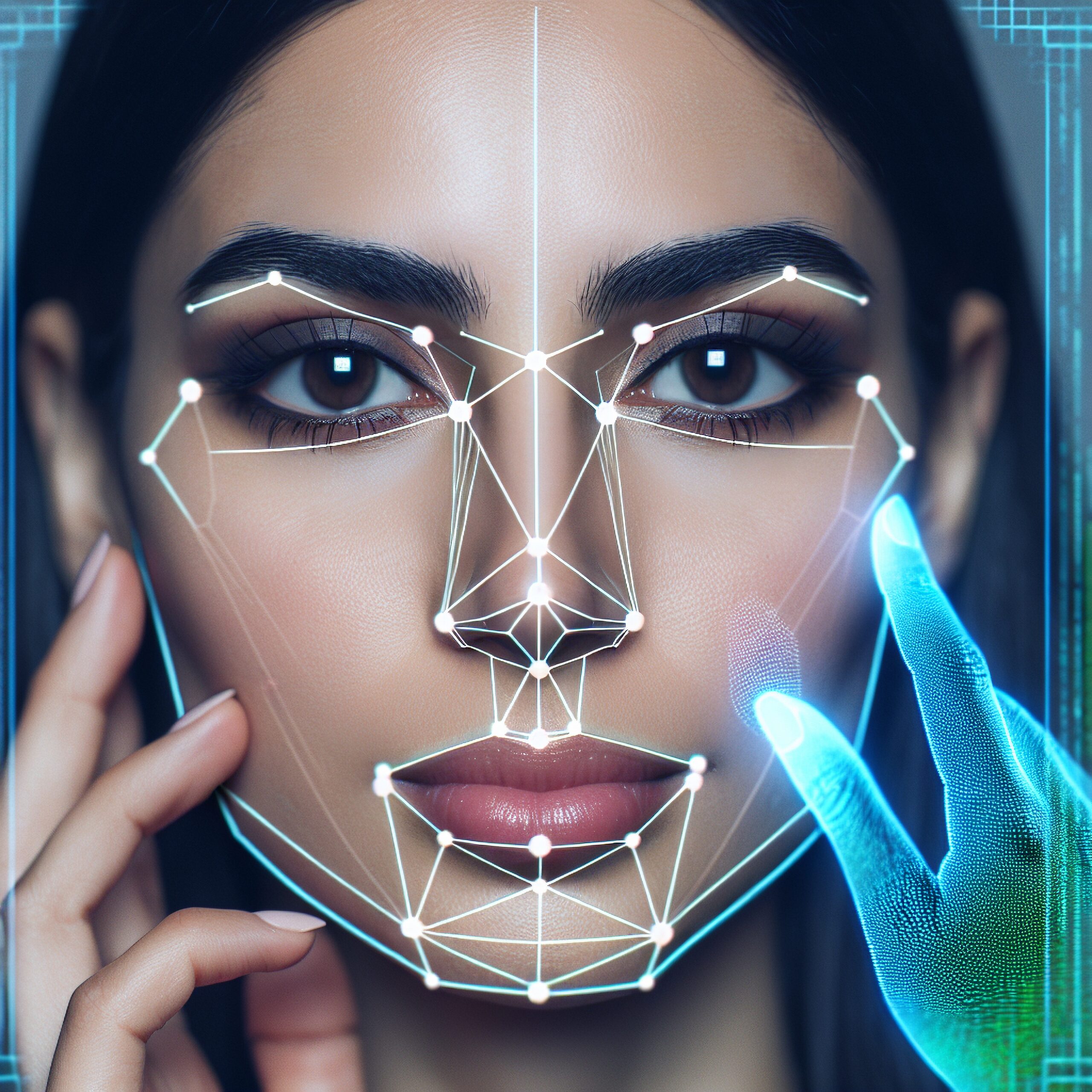
The consultation is the most important appointment a patient will ever have with their aesthetics clinic. It’s the moment trust is built, expectations are calibrated, and clinical decisions are made. So when artificial intelligence begins to occupy that space — triaging patients, generating treatment plans, predicting outcomes — the industry has to ask a hard question: who is actually responsible for what happens next?
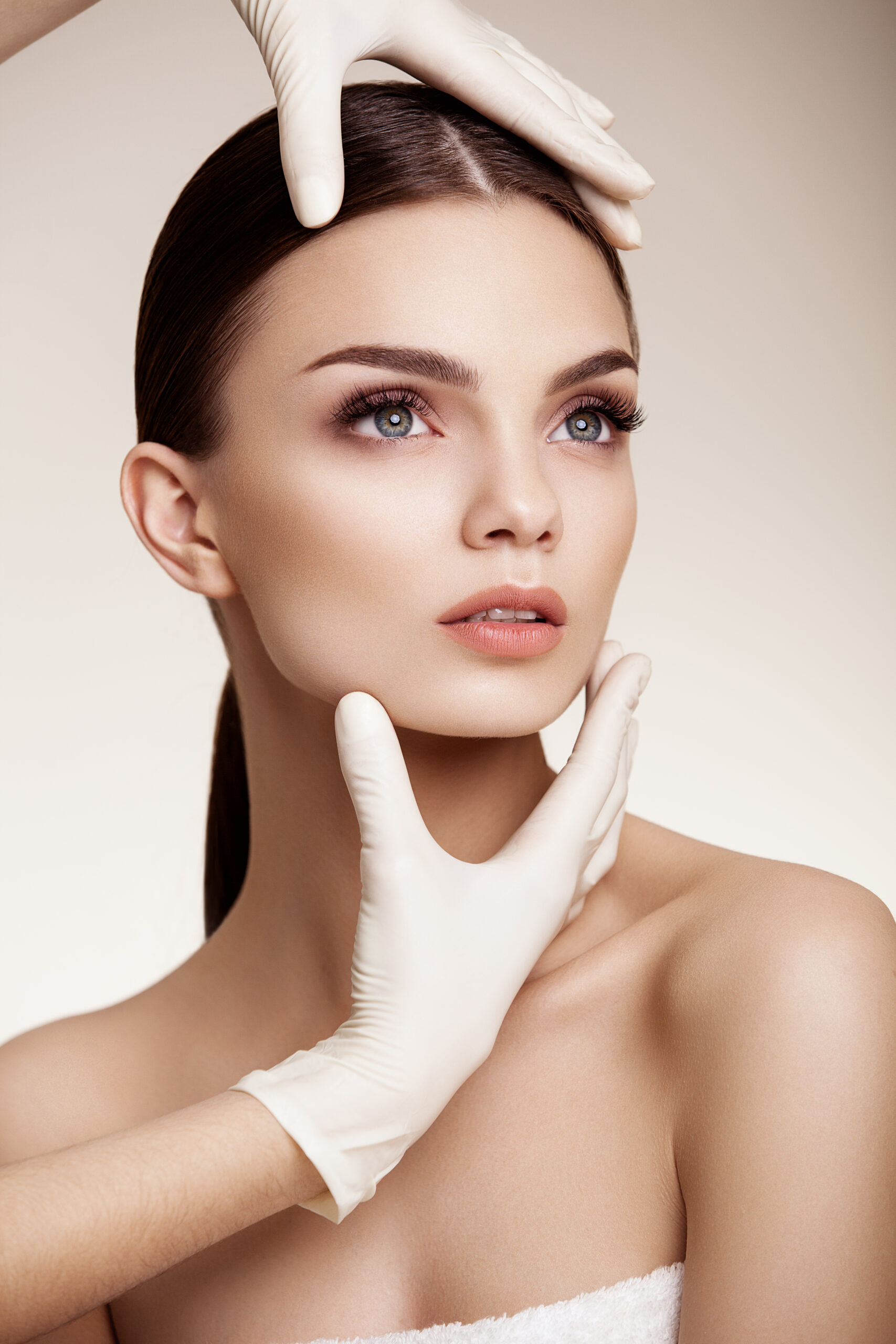
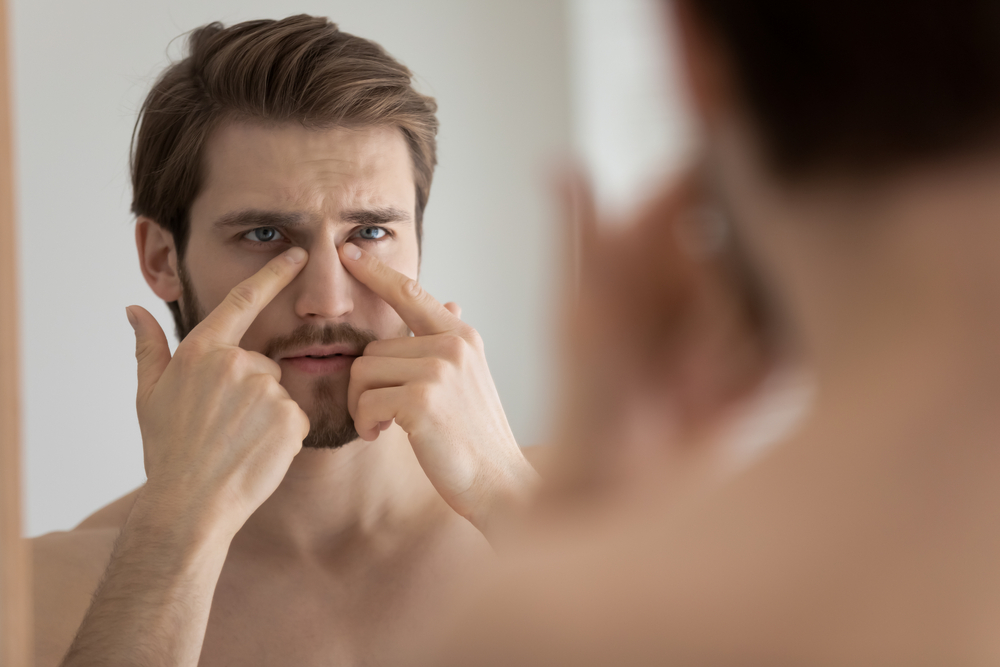
AI-powered consultation tools are no longer theoretical. Several platforms now use facial mapping technology to identify areas of concern — temple hollows, dark circles, eye bags, sagging jowls — and generate treatment recommendations before a patient ever speaks to a human. The potential efficiency gains are real. So are the risks.
What AI does well
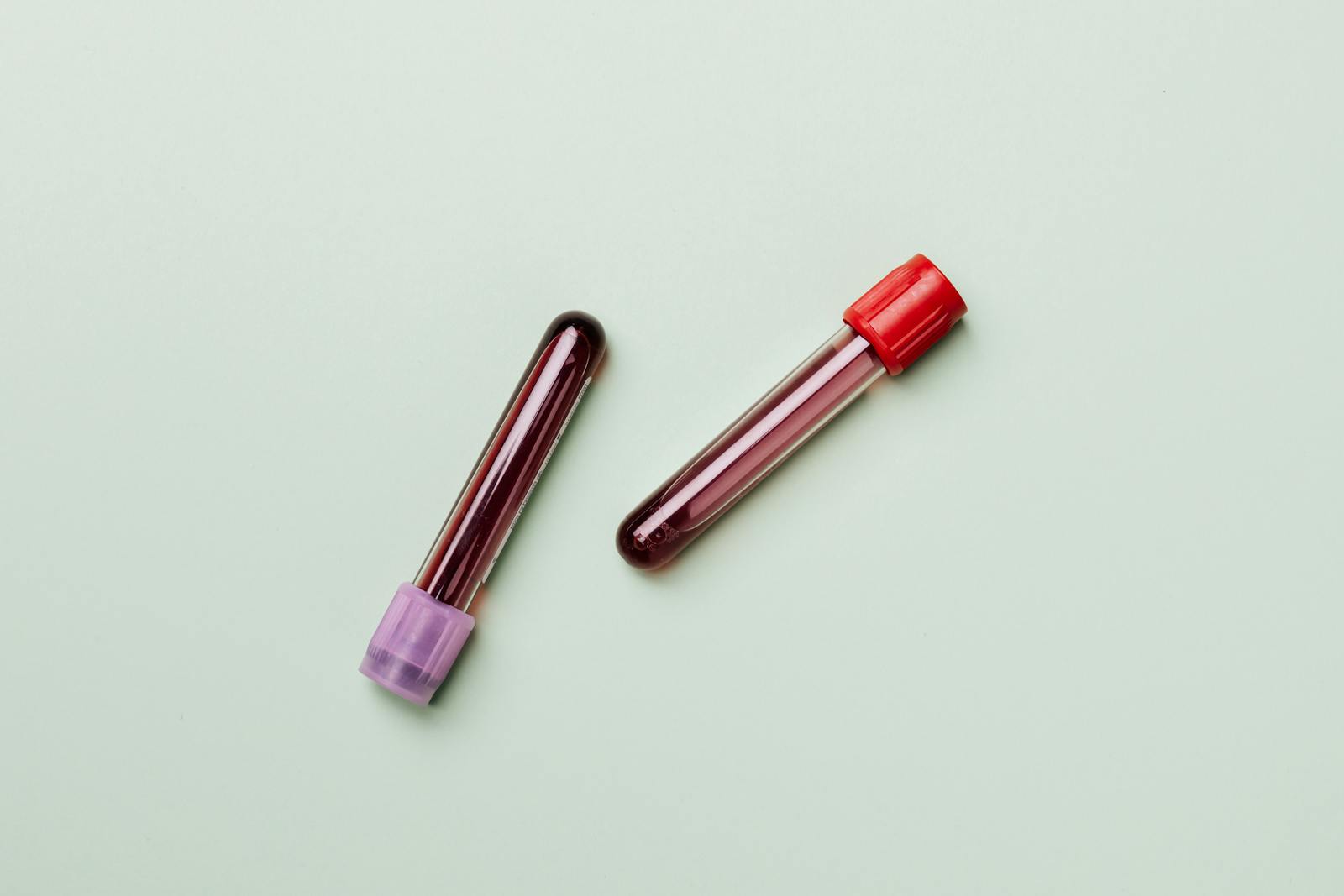
At its best, AI pre-consultation technology performs genuine triage. A patient arriving for a concern about tear trough filler may, through structured AI questioning, reveal that their primary driver is disrupted sleep and nutritional depletion — prompting a referral to private blood testing or a wellness panel before any injectable anti-aging treatment is considered. That’s not AI replacing medicine — it’s AI doing the kind of systematic questioning that time-pressured practitioners sometimes skip.
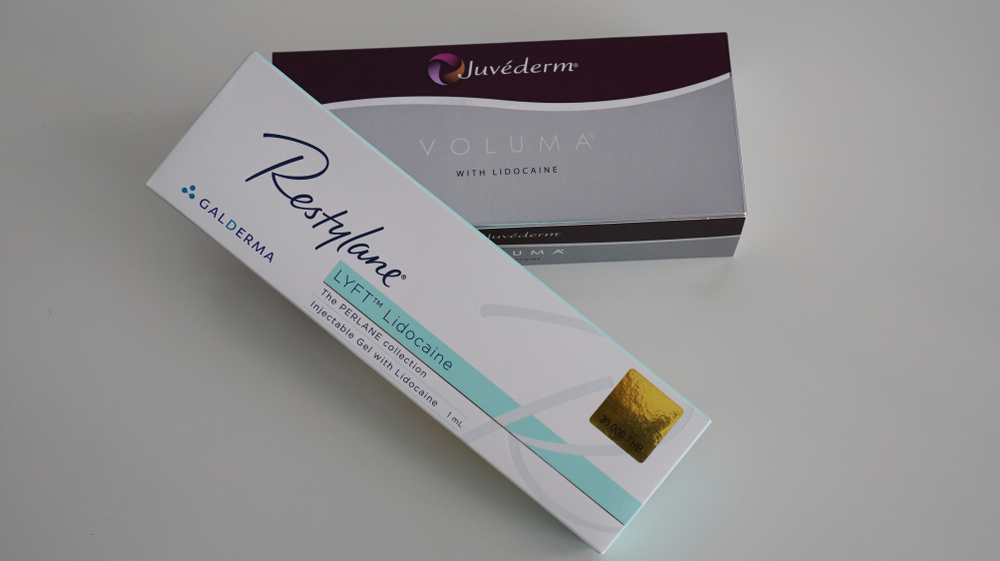
For product and skin care routine recommendations, AI shows genuine promise. Analysing skin type, concerns, and environmental factors to suggest appropriate hyaluronic acid products, sun screen, or a tailored sequence of chemical peels is a task well-suited to algorithmic precision — far more consistent than a harried receptionist with a printed skincare menu.
“AI can identify the hollow. It cannot feel the hesitation in a patient’s voice when you ask why they’re really here.”
Where the model breaks down
The limitations emerge sharply when treatments carry clinical and emotional complexity. A patient exploring weight loss injections alongside aesthetic concerns about their post-loss face — assessing options like thread lifts, 3D radiofrequency microneedling, or a full liquid facelift — brings a tangle of psychological, hormonal, and clinical variables that no current AI can fully untangle. Similarly, hormone monitoring findings that suggest contraindications to certain treatments require a clinician’s interpretive judgement, not a recommendation engine.
There is also a consent problem. Safe botox injections, polynucleotide injectables, and PRP therapy all require documented informed consent from a qualified prescriber. An AI that recommends these treatments — even accurately — may be operating in a regulatory grey area that exposes the clinic to significant liability. The presence of an AI consultation layer does not transfer clinical responsibility away from the practitioner who ultimately treats the patient.
A hybrid model is the answer
The most intelligent deployment of AI in aesthetics consultations is not replacement but augmentation. Let the algorithm gather history, map concerns like bump on nose or rosacea, and flag potential skin rejuvenation pathways — skin tightening, hair loss treatment, or prescription-grade facials. Then hand a richer, more structured patient picture to the human clinician, who can apply the empathy, nuance, and regulatory accountability that medicine will always require. The clinics that get this balance right will not just be more efficient — they’ll be more trusted.