
Polycystic ovary syndrome (PCOS) is usually discussed in terms of periods and fertility, but for many people it shows up on the skin and scalp first — often years before any reproductive symptoms prompt a diagnosis. Acne, thinning hair, and excess facial or body hair growth can seem like three unrelated complaints, but in PCOS they typically share a single underlying cause.
The Hormonal Thread Connecting All Three
PCOS is characterised by elevated androgens (male-pattern hormones present in everyone, but typically higher in PCOS) alongside insulin resistance in many cases. Androgens act directly on hair follicles and oil glands throughout the body, which is why the same hormonal picture can produce what looks like three different problems: increased oil production driving acne, androgen-sensitive scalp follicles shrinking and thinning (androgenic alopecia), and androgen-sensitive body and facial follicles growing coarser, darker hair (hirsutism). It’s genuinely one hormonal cause with three visible presentations, rather than three coincidental issues.
Why the Acne Pattern Looks Different From Typical Breakouts
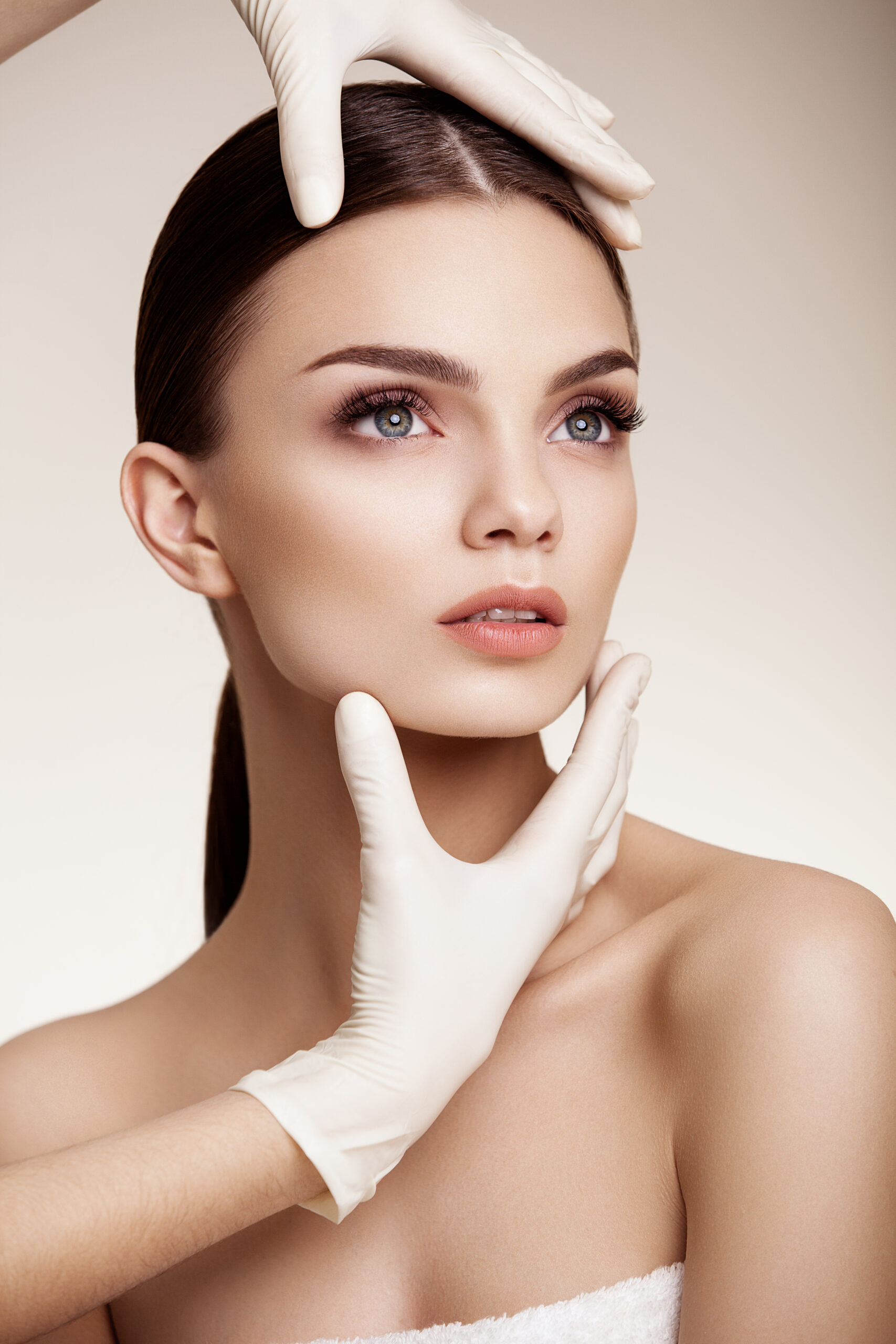
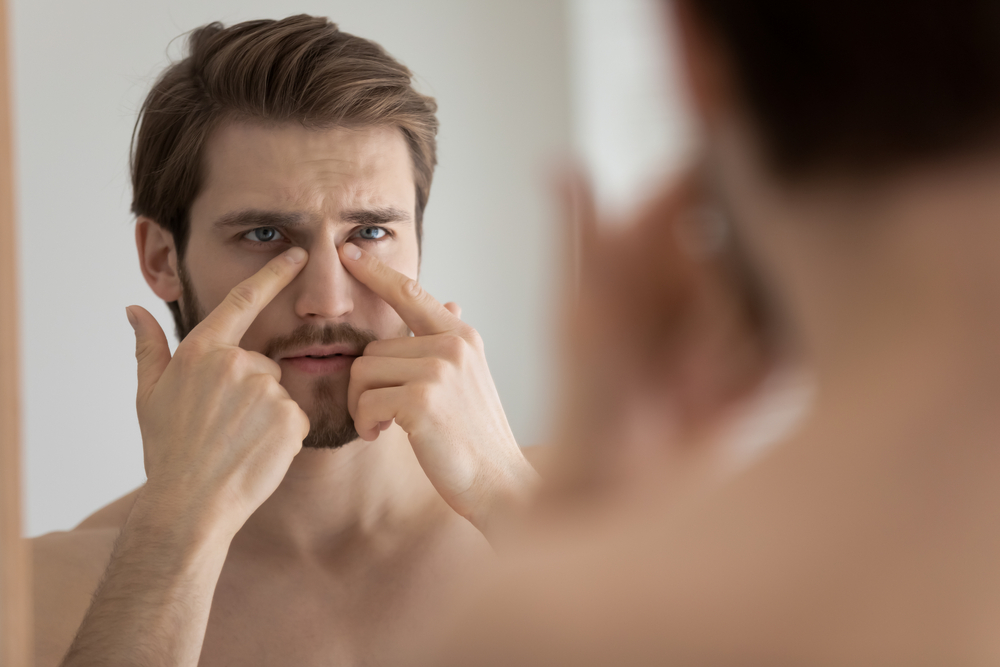
PCOS-related acne tends to cluster along the jawline, chin, and lower cheeks, often persists well beyond the teenage years, and frequently resists standard over-the-counter treatment because the drivers are hormonal and systemic rather than purely topical. It’s often deeper and more cystic than typical acne, reflecting the more significant oil production androgens can trigger. This pattern — persistent, jaw-focused, and unresponsive to standard topical treatment — is one of the more common reasons PCOS gets picked up by a GP or dermatologist when it hasn’t been connected to menstrual symptoms.
Hair Thinning: Often the Most Distressing Symptom
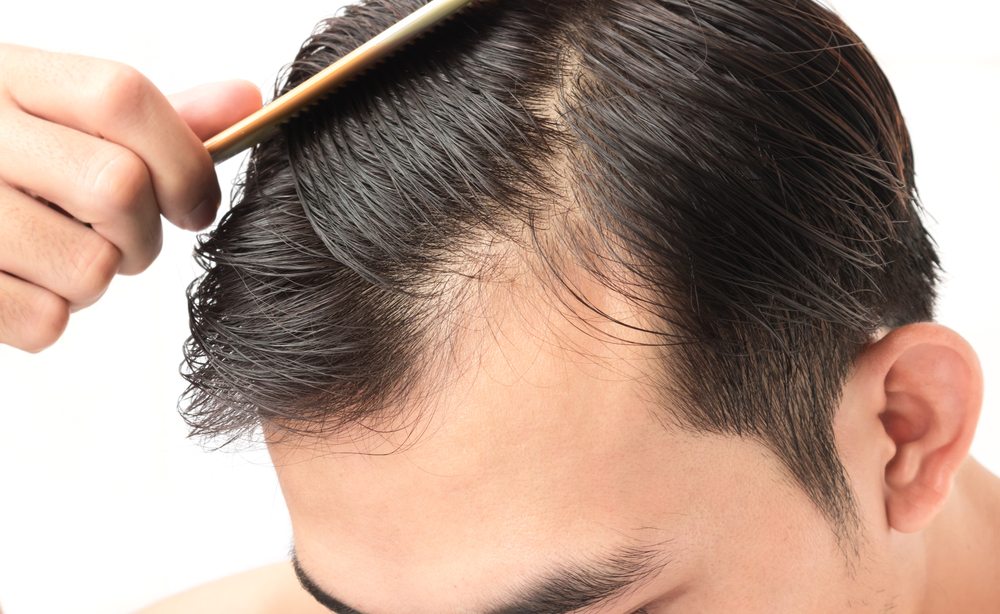
Androgenic hair thinning in PCOS typically follows a pattern similar to male-pattern baldness, but more diffuse — widening part lines and overall thinning at the crown, rather than the more even shedding seen with some other causes of hair loss. Because it develops gradually, it’s often not connected to PCOS until other symptoms prompt a diagnosis, even though the hair changes may have started years earlier. Hair Loss Treatment / PRP is sometimes used to support scalp health and follicle function generally, though for PCOS-related thinning specifically, addressing the underlying hormonal driver alongside any topical or in-clinic scalp treatment tends to produce better results than treating the scalp in isolation.
Managing the Skin Symptoms While Addressing the Cause
Proper PCOS management is a medical process — typically involving a GP or endocrinologist, sometimes medication to manage insulin resistance or androgen levels, and often lifestyle factors relevant to individual hormonal balance — and skin-focused treatment works best as a complement to that rather than a replacement for it. For the acne specifically, Chemical Peels and professional Facials and Peels can help manage texture and active breakouts, and a consistent Skin Care Routine supports skin resilience throughout, but neither addresses the androgen levels actually driving the pattern.
Why Diagnosis Matters More Than Symptom-Matching
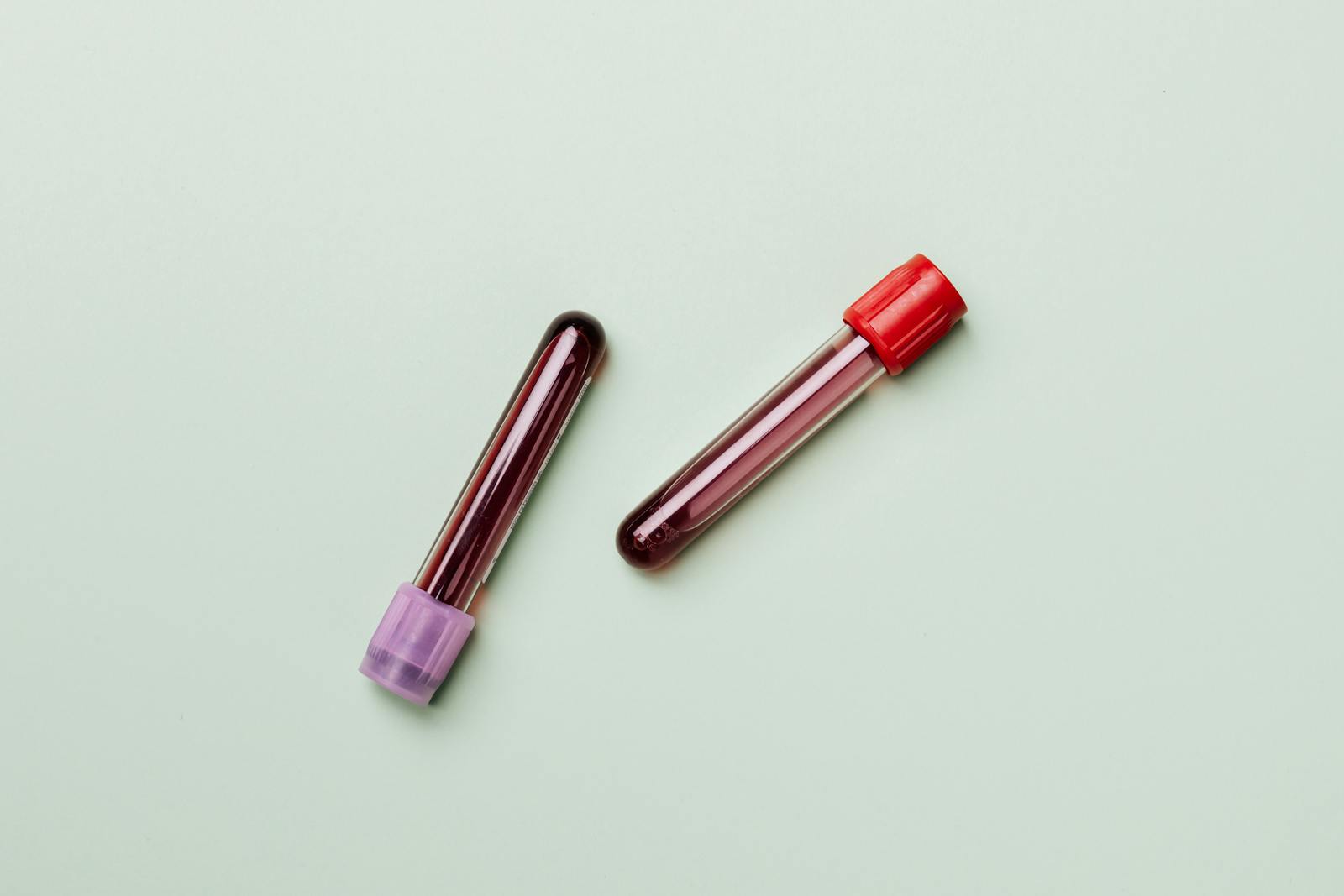
Acne, hair thinning, and excess hair growth can each have other causes entirely unrelated to PCOS, and self-diagnosing from a symptom checklist online isn’t a substitute for proper testing, which typically includes blood work and sometimes an ultrasound. If you’re noticing this specific combination — particularly alongside irregular periods or other symptoms — it’s worth raising PCOS specifically with a GP rather than treating each symptom separately without ever connecting the dots.
The Takeaway
Acne, thinning hair, and excess hair growth in PCOS aren’t three separate problems to manage individually — they’re different visible expressions of the same androgen-driven hormonal picture. Skin and hair treatments can genuinely help manage the visible symptoms, but proper diagnosis and hormonal management remain the foundation anything else builds on.
Many clients combine this with other popular options such as dissolving lip filler, PRP therapy, anti-ageing injection and beauty treatment, tailored to their individual goals.
This article is for general information only and doesn’t replace individual medical advice. Anyone noticing this pattern of symptoms should speak to a GP about assessment for PCOS.