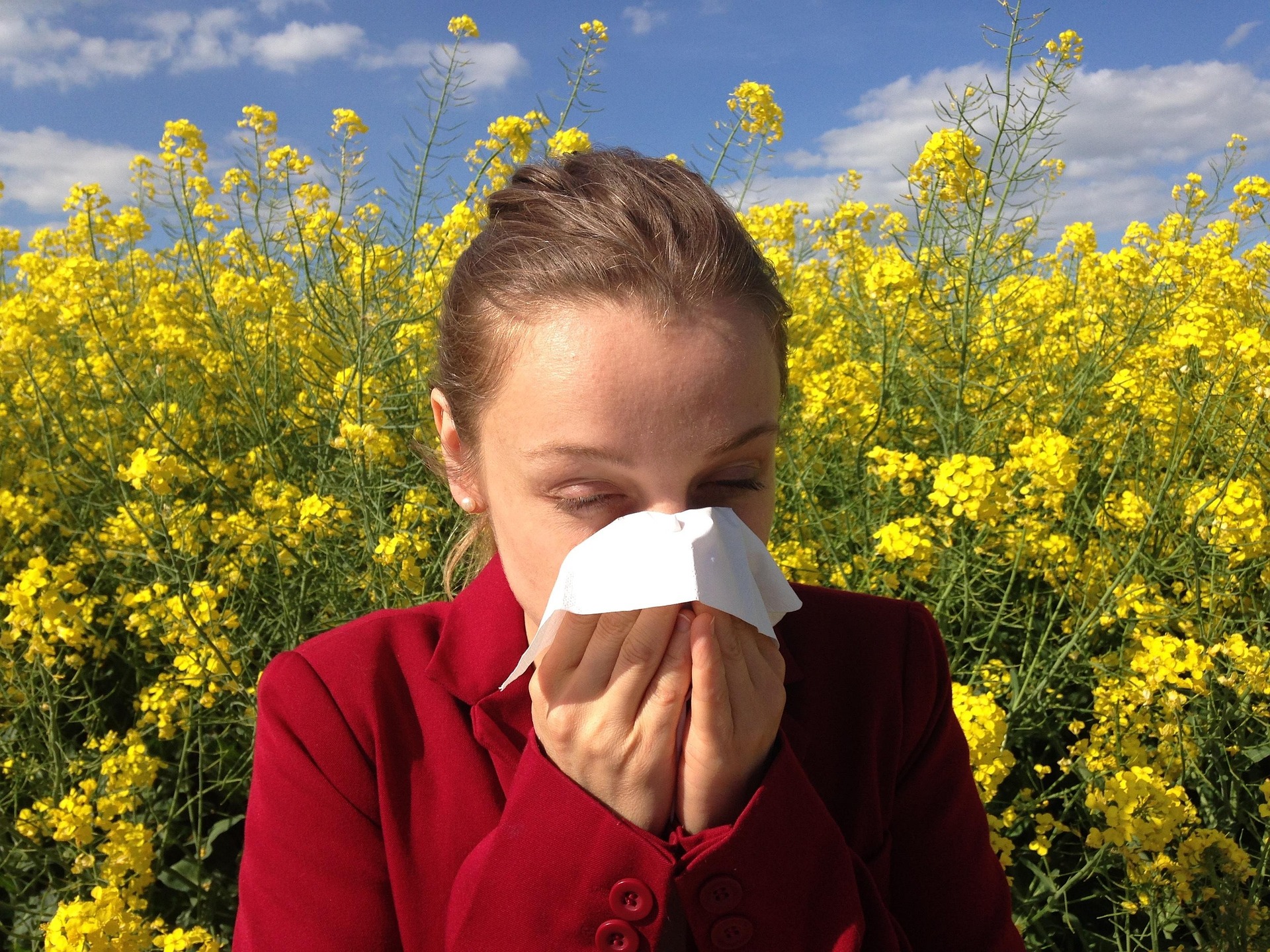
Summer is supposed to be the best season of the year. Long days, warm evenings, time outside — and for roughly one in five people, a relentless cycle of sneezing, itchy eyes, and skin that looks as miserable as it feels. If hayfever has been stealing your summer, this guide is for you.
Here’s how to manage your symptoms, protect your skin, and actually enjoy the season.
Why Hayfever Hits Your Skin Hard
Most people think of hayfever as a nose-and-eyes problem. But pollen triggers a full-body inflammatory response — and your skin often pays the price too.
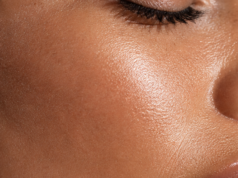
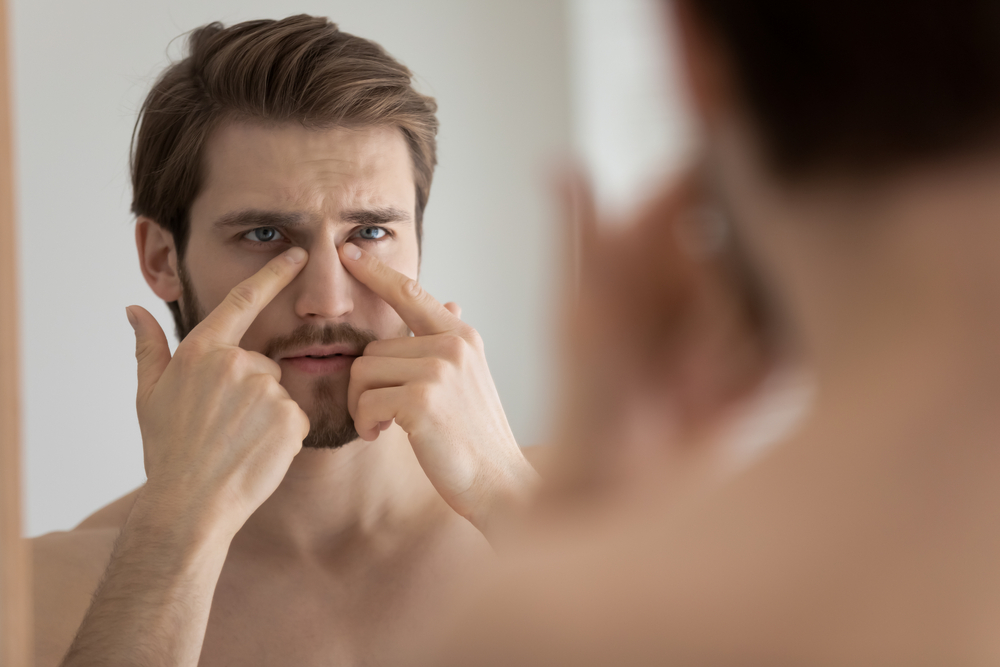
Histamine release causes flushing, puffiness, and sensitivity. Your eyes swell, redness spreads, and the skin around your face can look drawn and tired even after a full night’s sleep. Add constant nose-wiping and eye-rubbing into the mix, and you’ve got a recipe for irritated, inflamed skin that no amount of concealer can fully hide.
Understanding this connection is the first step to managing it properly.
Symptom Management: Build Your Defence
Start Before the Season Peaks
Don’t wait until you’re deep in a pollen spiral. Antihistamines work best when taken consistently, not reactively. Talk to your GP or pharmacist about the right option for you — some are far less sedating than others.
Track the Pollen Count
Most weather apps now include daily pollen forecasts. On high-count days, keep windows closed in the morning (when pollen levels peak), shower after being outdoors, and change your clothes when you come inside. Small habits make a real difference.
Protect Your Eyes
Wrap-around sunglasses aren’t just a style choice in pollen season — they create a physical barrier that reduces how much allergen reaches your eyes. Less contact means less swelling, less rubbing, and less damage to the delicate skin around your eyes.
Caring for Allergy-Irritated Skin
Calm the Redness and Inflammation
Pollen-triggered skin inflammation looks a lot like a flare-up — red, reactive, and hard to settle. If you already manage a condition like rosacea, hayfever season can make it significantly worse. Targeted rosacea treatment can help reduce baseline sensitivity so your skin handles seasonal triggers better.
At home, switch to fragrance-free, gentle products during peak season. Avoid anything that adds further irritation to already-stressed skin.
Hydrate From Every Angle
Allergy medications — particularly antihistamines and decongestants — are notoriously drying. They pull moisture from your skin and leave it looking flat and dehydrated. Counter this with a skin care routine that leans heavily on hydration.
Skin boosters are an excellent clinical option here — they restore moisture deep within the skin rather than sitting on the surface. Pair these with quality hyaluronic acid products at home for a consistent hydration strategy.
Soothe With Professional Facials
A calming hydrating facial or prescription-grade facial can do a lot to reset allergy-battered skin. These treatments reduce inflammation, restore the skin barrier, and leave your complexion looking balanced rather than reactive.
If your skin is more compromised, a course of chemical peels or medical grade peels — timed carefully around your allergy season — can address pigmentation and uneven texture that builds up after weeks of inflammation.
Tackle the Eyes: The Most Visible Culprit
Puffy, shadowed under-eyes are practically the mascot of hayfever season. Cold compresses help in the short term, but if you’re noticing persistent hollowness or discolouration that lingers even after symptoms ease, dark circle treatment can make a meaningful difference.
Tear trough filler is a particularly effective option — it restores volume beneath the eyes where repeated inflammation and poor sleep create that sunken, tired appearance. The results are subtle and natural-looking, not dramatic.
Sun Protection Is Non-Negotiable
Inflamed, allergy-stressed skin is significantly more sensitive to UV damage. A good sun screen every morning is your base layer of defence — it reduces further irritation, prevents pigmentation from worsening, and protects the skin barrier you’re working hard to restore.
Choose a mineral formula if your skin is particularly reactive, as these tend to sit better on sensitive, allergy-prone complexions.
Don’t Just Survive — Actually Enjoy Your Summer
Hayfever doesn’t have to mean months of hiding indoors and looking exhausted. With the right symptom management plan and a skin routine built for the season, you can genuinely stay on top of it.
Track the pollen, protect your skin, hydrate properly, and address the visible signs with targeted beauty treatments when needed. The season is short — don’t spend it suffering.
If you’re ready to go further, book a consultation at an aesthetic clinic to build a skin recovery plan that works around your allergy calendar. Your summer skin deserves proper attention.