
We live in an era defined by a fascinating paradox. On one side of the cultural spectrum, celebrity influence drives an insatiable appetite for anti-ageing trends, normalising a culture of constant, meticulous aesthetic refinement. On the other side, a looming climate crisis demands radical environmental accountability. How do we reconcile the pursuit of eternal youth with the desperate need to heal a rapidly warming, heavily polluted planet?
The answer lies in the evolving mindset of the modern consumer, who now expects cutting-edge innovation in both the cosmetic clinic and the global ecosystem.
The Cult of Eternal Preservation
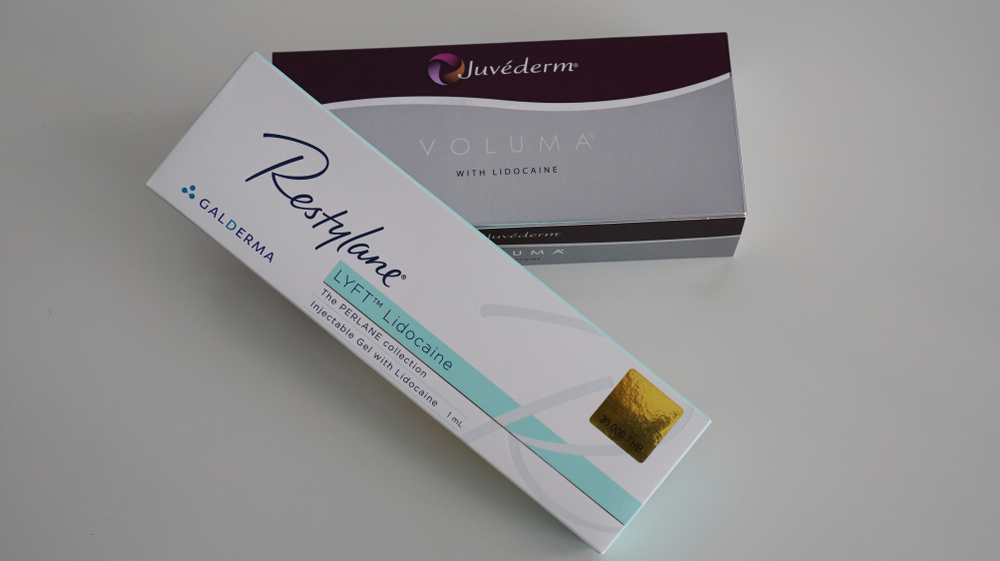
The modern pursuit of youth is unapologetically transparent. Public figures no longer hide their cosmetic appointments; instead, they openly document their reliance on subtle Injectable Treatments and advanced therapies aimed at true Skin Rejuvenation. The societal goal has shifted from masking flaws to achieving long-term cellular longevity.
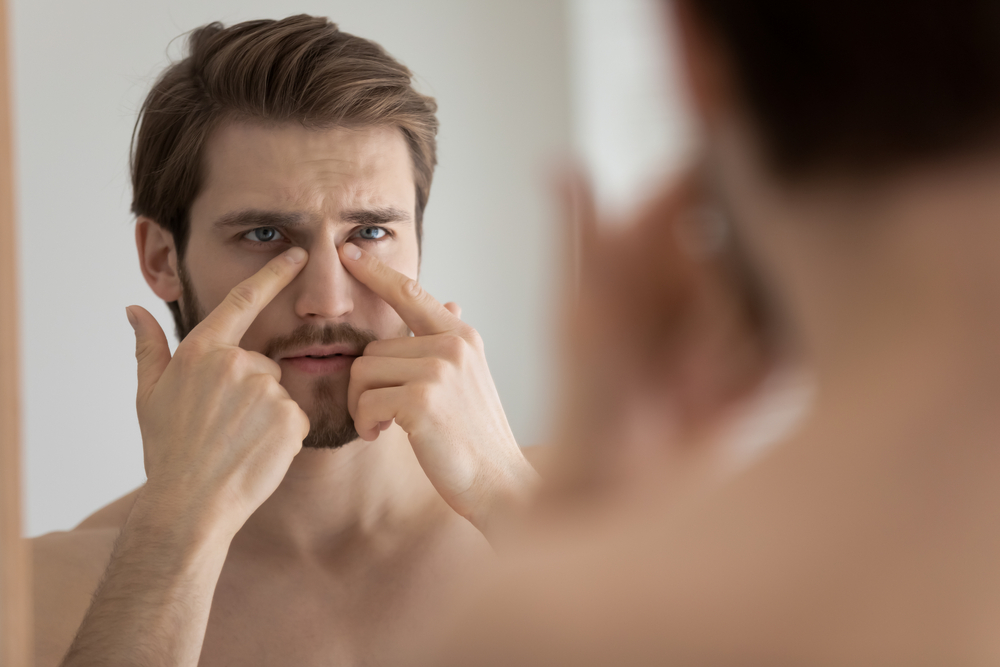
However, this high-maintenance aesthetic culture requires vast industrial resources. From the complex manufacturing of synthetic packaging to the daily execution of an intensive, multi-step Skin Care Routine, the broader beauty and fashion sectors have historically left a massive, damaging ecological footprint.
The Hidden Cost of Glamour and the Green Tech Response
Parallel to our collective vanity lies a far grimmer industrial reality. The global textile and cosmetic manufacturing industries are notorious for generating toxic wastewater, heavily laden with synthetic dyes and chemical runoff. For decades, this poisoned water has poured into our rivers.
Enter a radical green technology solution: repurposing everyday organic food waste.
Scientists are currently transforming discarded agricultural byproducts, such as orange peels and spent coffee grounds, into highly absorbent eco-filters. Because these organic scraps are rich in natural binding compounds like cellulose, they act as microscopic sponges. Through a biological process known as biosorption, these repurposed peels physically pull toxic synthetic dyes directly out of industrial wastewater. It is a masterclass in the circular economy, proving that nature’s rubbish can effectively neutralise industry’s poison.
Reconciling Vanity with Sustainability
The bridge between these two seemingly disparate worlds—celebrity aesthetics and wastewater purification—is consumer expectation. The same highly educated individual who books professional Beauty Treatments is also loudly demanding that corporations clean up their supply chains.
Today’s consumer wants the flawless, enduring results of preventative Anti-Aging Injections and ethically sourced Hyaluronic Acid Products, but they refuse to accept environmental degradation as the hidden cost of glamour. This intense market pressure is forcing industries to innovate, marrying clinical efficacy with radical sustainability.
Ultimately, the paradox of modern beauty is actively resolving itself through corporate accountability and scientific brilliance. As green tech successfully turns breakfast waste into water purification miracles, the aesthetics world is learning a vital lesson: true longevity must apply to the earth just as much as it does to our skin. By demanding cleaner practices alongside our clinical treatments, we are proving that looking good and doing good no longer have to be mutually exclusive.