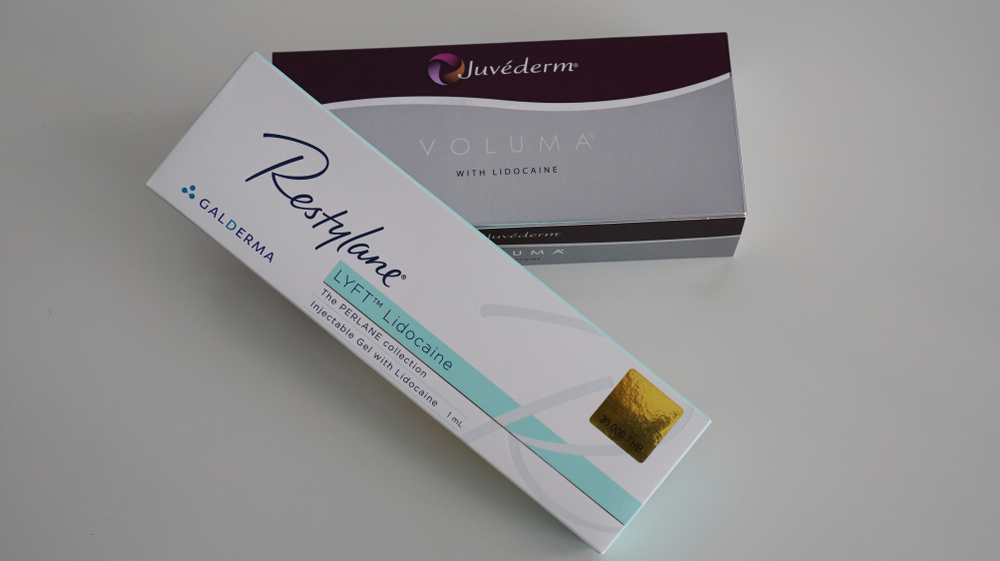
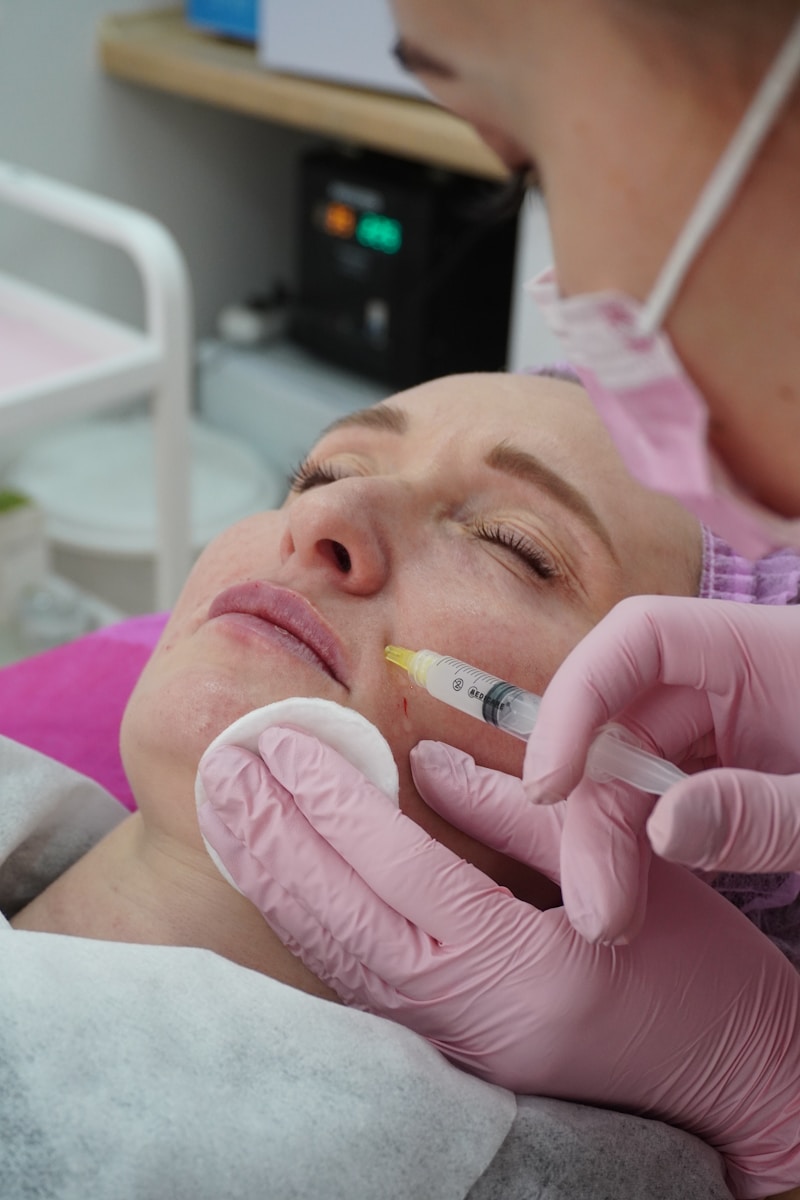
For decades, the anti-aging conversation was dominated by two main players: neuromodulators (like Botox) to freeze lines and hyaluronic acid fillers to fill them. While these treatments remain effective, 2025 has ushered in a paradigm shift. The focus has moved from merely masking the signs of aging to actually repairing the underlying structure of the skin. Enter biostimulators—the regenerative treatments that are rapidly redefining what it means to age gracefully.
What Are Biostimulators?
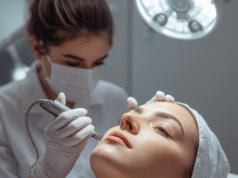
Unlike traditional dermal fillers, which act as inert implants to replace lost volume immediately, biostimulators are active agents. When injected into the deep dermis, they trigger a biological response. They contain substances like poly-L-lactic acid (PLLA) or calcium hydroxylapatite (CaHA) that act as a scaffold. This scaffold signals your body’s fibroblasts to wake up and boost collagen production.
Essentially, they are not the volume itself; they are the catalyst. Over several weeks and months, your body produces its own fresh collagen and elastin around the product. The result is a gradual, natural restoration of facial volume and skin quality that is entirely your own tissue.
The 2025 Advancements
Why are we asking if they are the future now? Because the technology behind them has matured significantly in 2025.
Improved Formulations
Early iterations of collagen stimulators sometimes required vigorous massage or carried a risk of nodule formation. The 2025 generation of biostimulators features smoother, more sophisticated micro-particle technology. This allows for easier injection, more uniform distribution, and a significantly lower risk of side effects. They integrate seamlessly with the tissue, making them virtually undetectable to the touch.
Hybrid Treatments
This year, we are seeing a rise in “hybrid” products that combine the immediate gratification of HA with the long-term benefits of a biostimulator. This offers patients the best of both worlds: an instant lift when they walk out of the clinic, followed by sustained structural improvement over the next 18 to 24 months.
Why They Are Winning the Anti-Aging Race
The shift toward biostimulators aligns perfectly with the modern aesthetic preference for “undetectable” work.
Longevity: While traditional fillers may last 6–12 months, the collagen structure created by biostimulators can last two years or longer. This makes them a cost-effective investment over time.
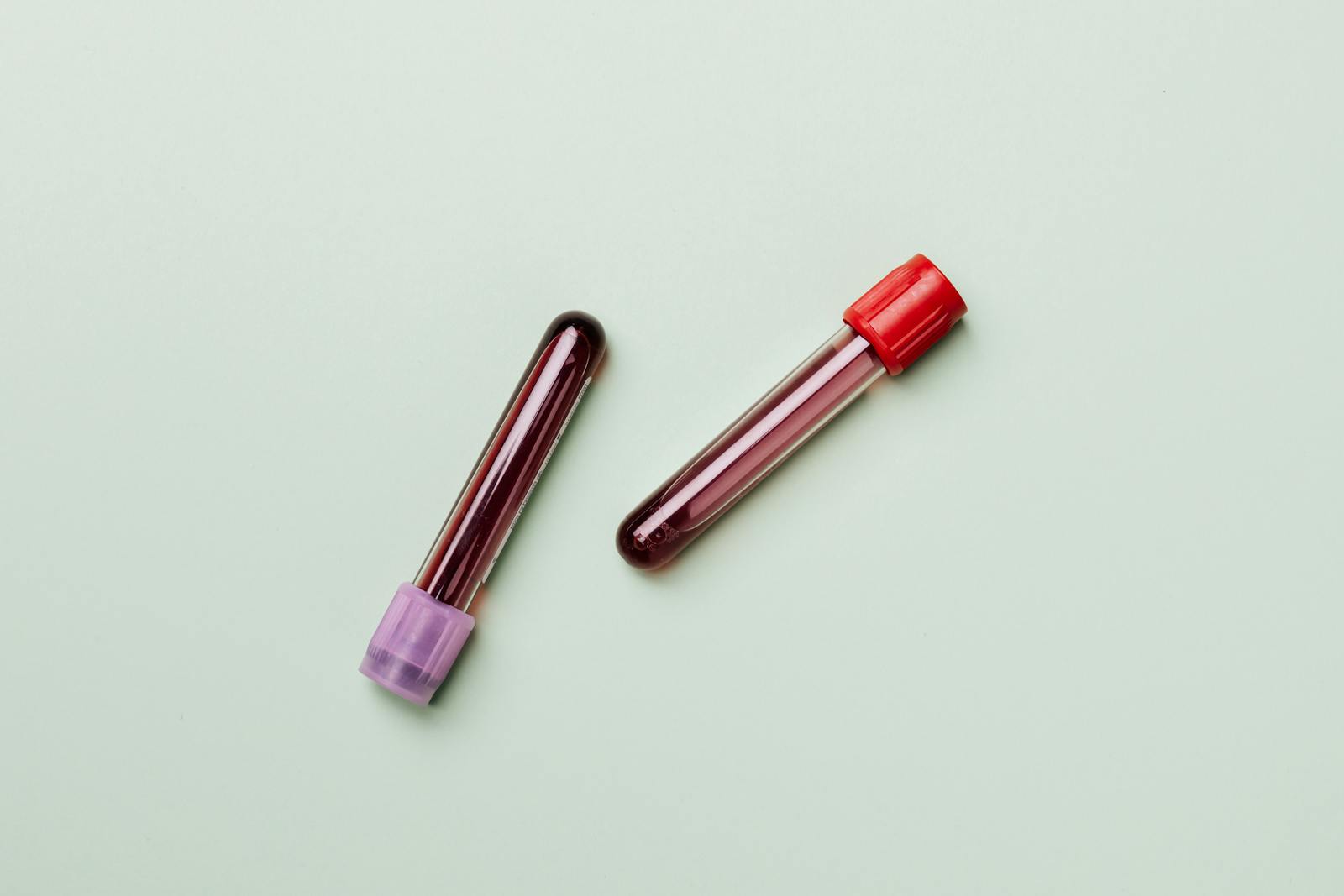
Skin Quality Improvement: Beyond volume, biostimulators improve the actual canvas of the skin. Patients report better texture, increased firmness, and a glow that topical skincare simply cannot achieve—similar benefits often seen with regenerative options like PRP Therapy (general) / Vampire Facial.
Natural Progression: Because the results appear gradually, there is no sudden “shock” to your appearance. You simply look more rested and youthful as the weeks pass, avoiding the “overfilled” look that can happen with excessive HA fillers.
The Verdict
Are biostimulators the future? In many ways, they are already the present. As patients become more educated, the demand for regenerative aesthetic medicine—treatments that empower the body to repair itself—is skyrocketing. While there will always be a place for instant fillers, biostimulators represent a smarter, more sustainable approach to facial rejuvenation. By rebuilding the skin’s foundation rather than just patching the cracks, they offer a truly modern solution to aging.