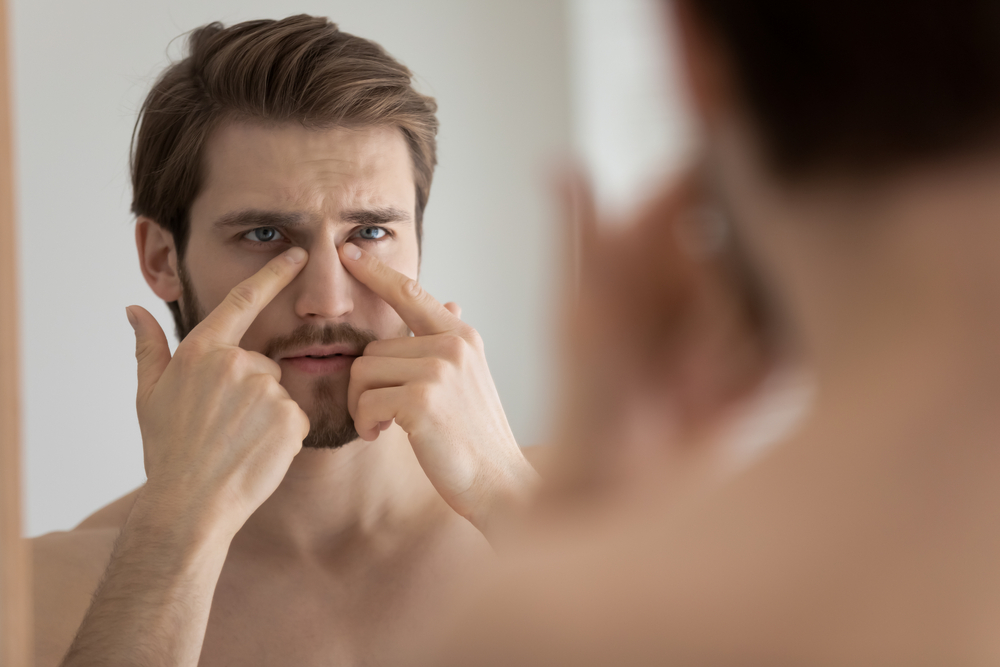
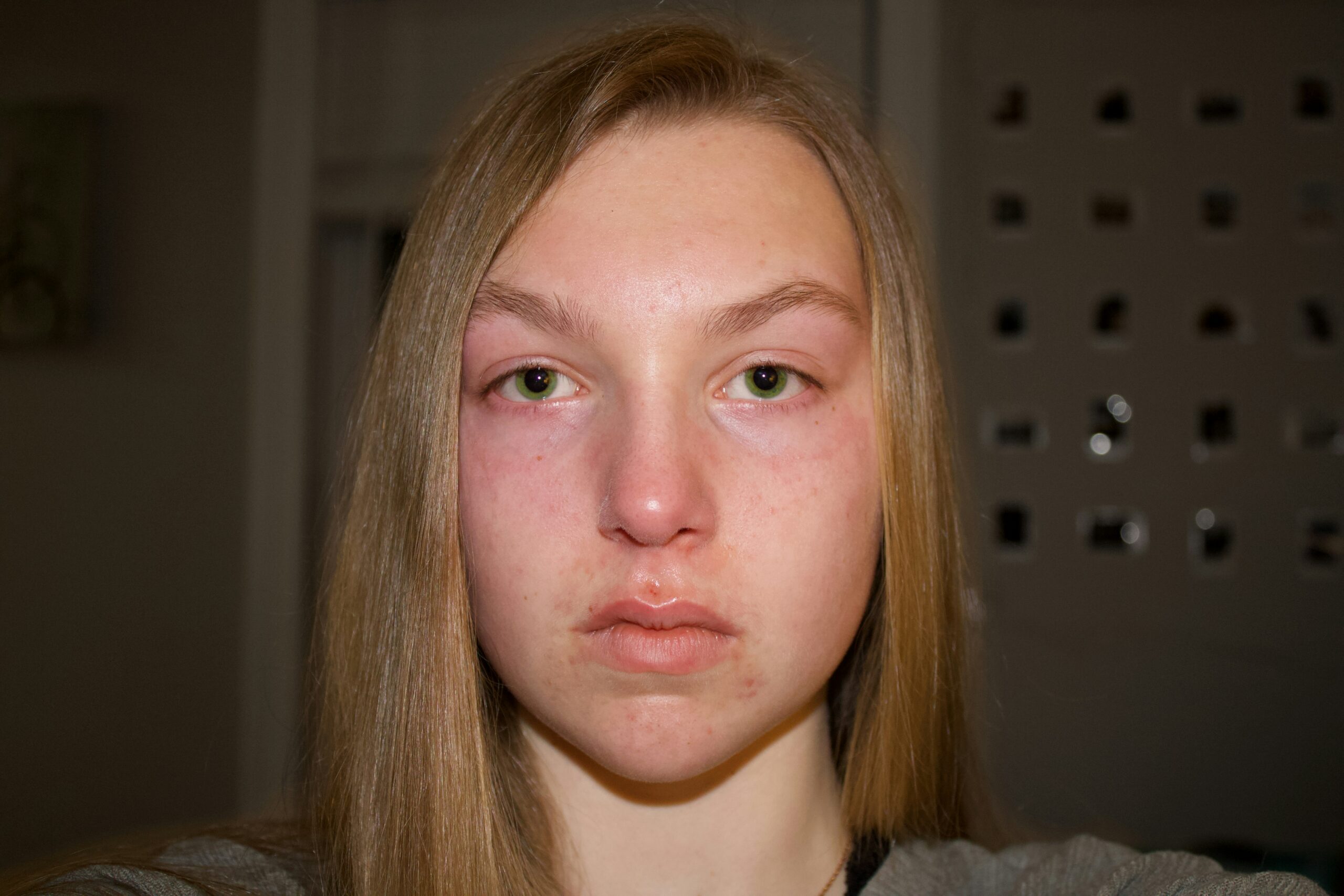
“Cortisol face” has become one of social media’s favourite explanations for facial puffiness, usually accompanied by a confident claim that stress hormones are directly bloating someone’s cheeks and jawline. The underlying biology is real, but the viral version of the theory has outrun the actual science considerably — and separating the two matters if you’re trying to figure out what’s genuinely causing your own puffiness.
What Cortisol Actually Does to the Body
Cortisol is a genuine stress hormone with well-documented effects on fluid retention, fat distribution, and inflammation when chronically elevated. Cushing’s syndrome — a recognised medical condition involving genuinely excessive, sustained cortisol levels, usually from a tumour or long-term steroid medication — does produce a characteristically rounded, puffy face, sometimes called “moon face” in clinical terminology. This is where the “cortisol face” concept has real medical grounding: it isn’t invented, it’s a documented clinical presentation.
Where the Viral Version Overreaches
The gap between viral content and clinical reality is scale. Cushing’s syndrome involves cortisol levels dramatically and persistently higher than everyday stress produces, sustained over a long period. Ordinary daily stress, a bad night’s sleep, or a stressful week raises cortisol only modestly and temporarily, and the evidence that this kind of normal fluctuation produces visible, lasting facial puffiness in otherwise healthy people is considerably thinner than social media confidence suggests. Most of what gets photographed and labelled “cortisol face” online has far more mundane explanations.
The More Likely Explanations for Everyday Puffiness
Sodium intake is one of the most common actual culprits — high-salt meals cause genuine water retention that shows up first and most visibly in the face, typically resolving within a day or two. Poor sleep independently causes facial puffiness through fluid redistribution overnight, regardless of cortisol levels. Alcohol, dehydration, allergies, and even sleeping position can all produce the exact puffy appearance being blamed on cortisol, and unlike a genuine hormonal condition, all of these resolve with straightforward lifestyle adjustment rather than requiring hormonal intervention.
When It’s Actually Worth Investigating
Persistent, unexplained facial puffiness that doesn’t resolve with better sleep, reduced sodium, or hydration — particularly alongside other symptoms like unexplained weight gain, muscle weakness, or skin changes — is worth raising with a GP, since it could indicate a genuine hormonal or medical issue worth properly investigating rather than self-diagnosing from a social media trend. This is a case where the viral shorthand, while not entirely wrong in principle, risks either causing unnecessary anxiety over normal fluctuation or, less commonly, distracting from symptoms that genuinely warrant medical attention.
What Actually Helps With Everyday Puffiness
For the ordinary, temporary puffiness most people are describing, the fixes are unglamorous: adequate sleep, reduced sodium, proper hydration, and time. In-clinic support can help manage the visible symptoms — Skin Boosters and a consistent Skin Care Routine support overall skin quality and can improve how puffiness presents, and lymphatic-focused Facials and Peels are sometimes used to temporarily reduce visible fluid retention, though none of these address a genuine underlying hormonal cause if one exists.
The Takeaway
Our team often recommends pairing this with dissolving treatment, dissolving lip filler, hair loss treatment, PRP therapy and anti-ageing injection for a well-rounded result.
“Cortisol face” describes something real in extreme, clinically diagnosed cases, but the version circulating online has stretched a legitimate medical phenomenon to explain almost any facial puffiness, most of which has far more ordinary causes. Genuine, persistent hormonal facial changes are worth a GP’s attention; everyday puffiness after a salty dinner or bad night’s sleep almost certainly isn’t your cortisol levels at all.