Most conversations about GLP-1 medications focus on the number on the scale, or increasingly, on the face and body changes that come with it. Less discussed, but just as significant, is what radical weight loss does to the gut microbiome that quietly influences digestion, mood, and immunity. This article is general information, not medical advice; speak to your prescriber or a registered dietitian about your individual plan.
Why Rapid Change Affects Gut Bacteria
The gut microbiome is shaped significantly by diet — what you eat, how much, and how consistently. GLP-1 medications alter appetite, slow gastric emptying, and often lead to a sharply reduced and less varied food intake, all of which can shift the balance and diversity of gut bacteria relatively quickly, a dynamic we first explored in Hot Yoga, Gut Health, and Weight-Loss Jabs.
What Reduced Diversity Can Look Like
A less varied diet, particularly one lower in fibre from fruits, vegetables, and whole grains, tends to reduce the range of bacterial species the gut can support. This has been linked in general research to digestive symptoms like bloating or irregularity, and, via the wider gut-brain relationship, to mood, a connection we cover in The Mind-Gut-Sex Axis.
Protecting Gut Health Alongside Weight Loss
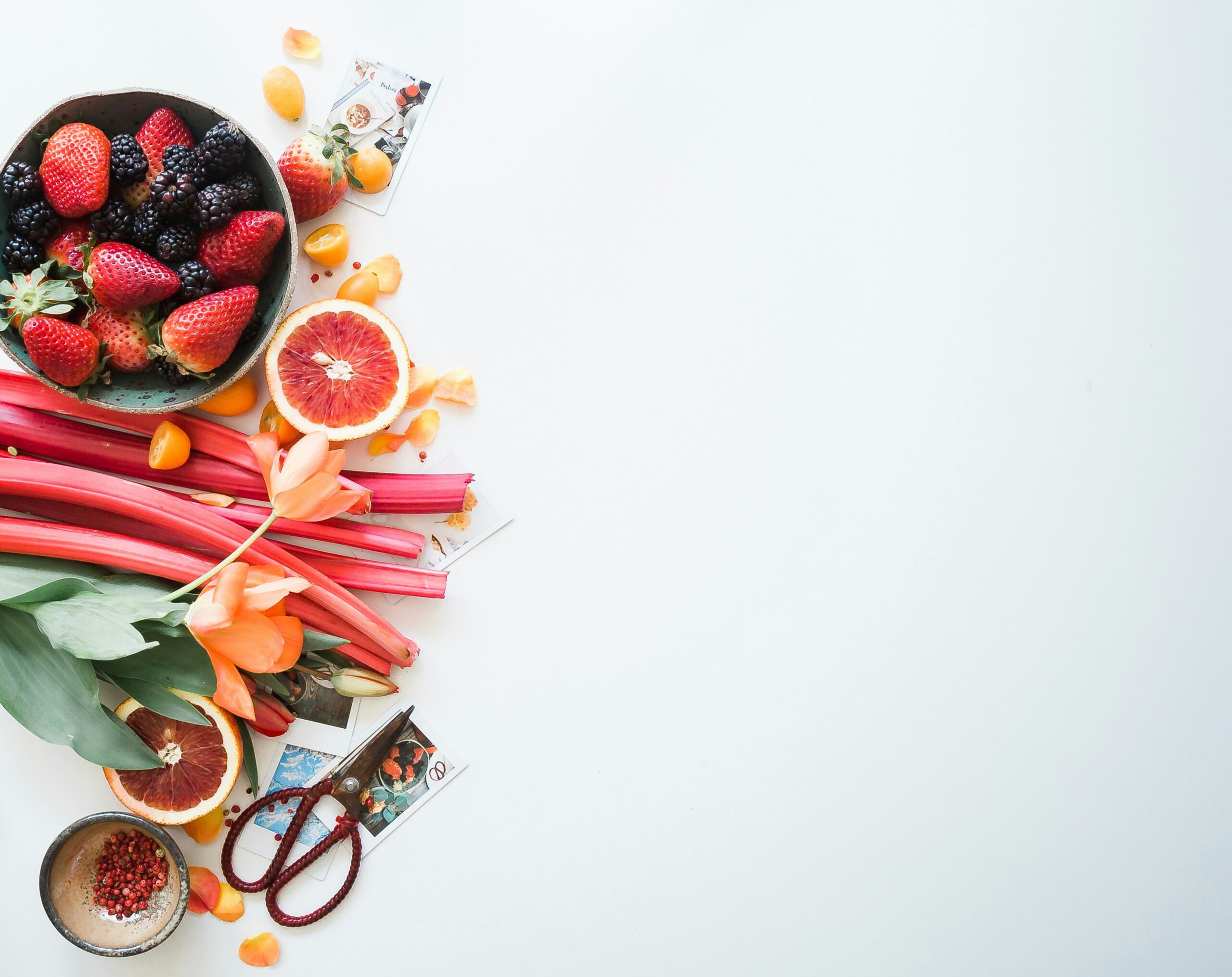
Even with a significantly reduced appetite, prioritising nutrient density and variety over volume — getting fibre, protein, and a range of plant foods into smaller meals — supports a more resilient microbiome than calorie reduction achieved through a narrow, repetitive diet. A registered dietitian can help structure this properly given how little room rapid weight loss often leaves for dietary error.
Signs Worth Mentioning to Your Prescriber
Persistent digestive discomfort, new food intolerances, or unexpected changes in mood alongside GLP-1 treatment are all worth raising directly, rather than assuming they are an unavoidable part of the process. Adjustments to diet, and occasionally to treatment itself, are sometimes appropriate.
Timing Matters as Much as Content
Eating enough protein and fibre earlier in the day, when appetite suppression is often less severe, can make it easier to hit nutritional targets before hunger drops further later on a small scheduling shift that meaningfully affects how varied a day’s eating actually ends up being.
The Bottom Line
Weight loss and gut health are not separate stories running in parallel — on GLP-1 medications, they are closely linked, and treating gut health as part of the plan from the outset, rather than an afterthought, tends to produce a more comfortable, sustainable result.