
You’re eating well, moving your body, and drinking water — yet somehow you feel more bloated in summer than any other time of year. If that sounds familiar, you’re not imagining it. Heat genuinely affects how your body retains fluid, processes food, and manages inflammation. The good news? Most of it is fixable once you know what’s actually going on.
Why Heat Makes You Feel Bloated
When temperatures rise, your body works overtime to stay cool. Blood vessels dilate and fluid shifts toward the skin and extremities — your body’s way of releasing heat. As a side effect, fluid pools in places it wouldn’t normally linger, leaving you feeling puffy, heavy, and uncomfortable even when nothing else has changed.
Add summer eating habits into the mix — more barbecue food, alcohol, carbonated drinks, and late-night snacking — and digestion slows further. Heat naturally suppresses digestive enzyme activity, which means food moves through your gut more sluggishly than usual.
The result: that familiar, frustrating summer bloat that no amount of water seems to shift.
Sodium and Fluid Balance: The Hidden Culprit
Salt is essential — but summer tends to push intake in the wrong direction. Processed foods, takeout, and salty snacks eaten at outdoor gatherings are all high in sodium, which causes your body to retain water as a balancing mechanism.
The fix isn’t cutting salt entirely. It’s about balance. Increase potassium-rich foods — bananas, avocados, leafy greens — which help your body flush excess sodium and regulate fluid more effectively. Consistent hydration with water (rather than sugary drinks or alcohol) also helps your kidneys process fluid instead of holding onto it.
Quick De-Puffing Fixes That Actually Work
1. Move After Meals
Even a 10-minute walk after eating encourages digestion and gets stagnant fluid circulating again. In heat, this works best in the early morning or evening — not during peak afternoon temperatures.
2. Cut Carbonation and Alcohol Temporarily
Both contribute significantly to bloating. Sparkling water, fizzy drinks, and alcohol all introduce gas or cause fluid retention. Switching to still water for 24–48 hours can produce a noticeable difference in how you feel and look.
3. Eat Cooling, Anti-Inflammatory Foods
Cucumber, watermelon, ginger, fennel, and peppermint tea are all known to support digestion and reduce internal inflammation. They’re also hydrating — which helps address fluid imbalance from the inside.
4. Sleep and Recovery Matter
Poor sleep elevates cortisol, which promotes fluid retention and inflammation. Prioritizing a cooler, better sleep environment doesn’t just restore energy — it visibly reduces puffiness by morning. A streamlined evening skin care routine paired with proper sleep gives your skin the overnight recovery window it needs.
When the Puffiness Shows on Your Face
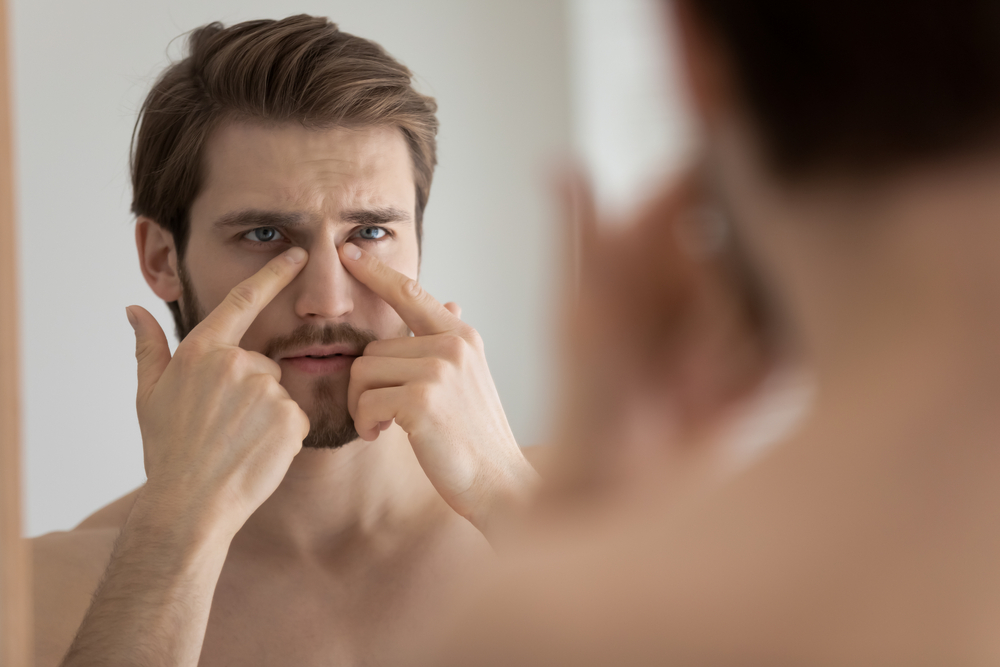
Facial puffiness — especially around the eyes and jaw — is one of the most visible signs of summer fluid retention. Cooled eye patches, gentle lymphatic massage, and a cold water splash in the morning all help in the short term.
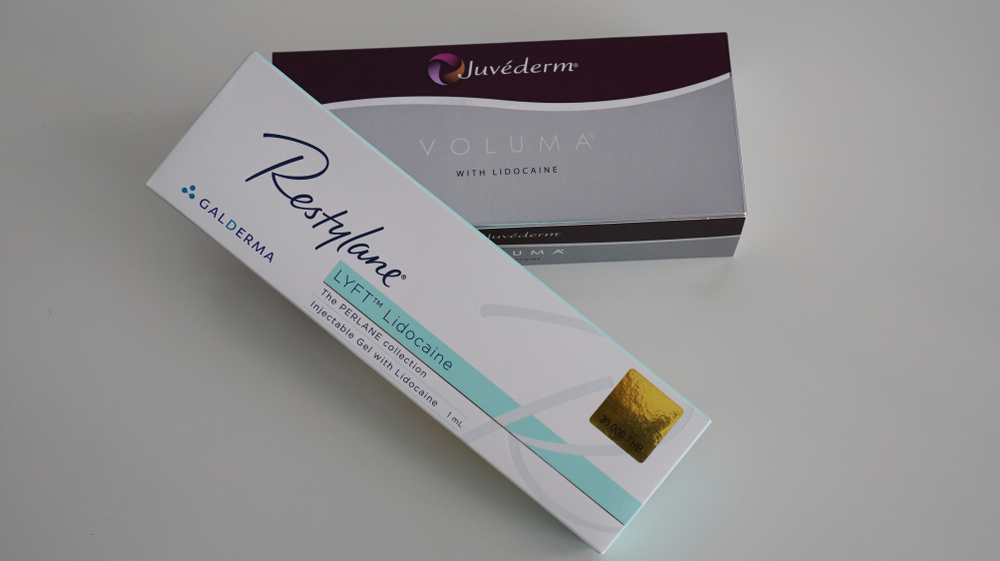
For persistent under-eye hollowness or shadowing that doesn’t respond to lifestyle fixes, dark circle treatment offers a more targeted solution. And if puffiness around the lower face has made you feel less like yourself, subtle jaw filler or chin fat dissolver can restore definition and confidence that bloating temporarily takes away.
A quality sun screen worn daily also reduces UV-driven skin inflammation — a factor most people overlook when wondering why their skin looks irritated and puffy during summer months.
Support Your Skin From the Inside Out
Persistent bloating and dehydration show up on your face faster than almost anywhere else. Hyaluronic acid products applied to damp skin help the surface stay plump and balanced even when internal fluid levels are fluctuating. In-clinic skin boosters go further — delivering deep hydration that holds up through heat and hormonal shifts in a way topical products simply can’t replicate.
If your skin has been looking consistently dull or fatigued, treatments like polynucleotides actively support repair and help boost collagen production — giving you that refreshed, healthy appearance that bloat and puffiness tend to steal.
The Bottom Line
Summer bloating isn’t a sign something is wrong — it’s your body responding to heat, dietary changes, and disrupted sleep in entirely predictable ways. Address the root causes (sodium balance, hydration, digestion, sleep), and most of the puffiness resolves on its own within days.
For anything that lingers on the surface, targeted skincare and aesthetic options are there to close the gap. Start with the lifestyle fixes. Let the rest support you the rest of the way.