
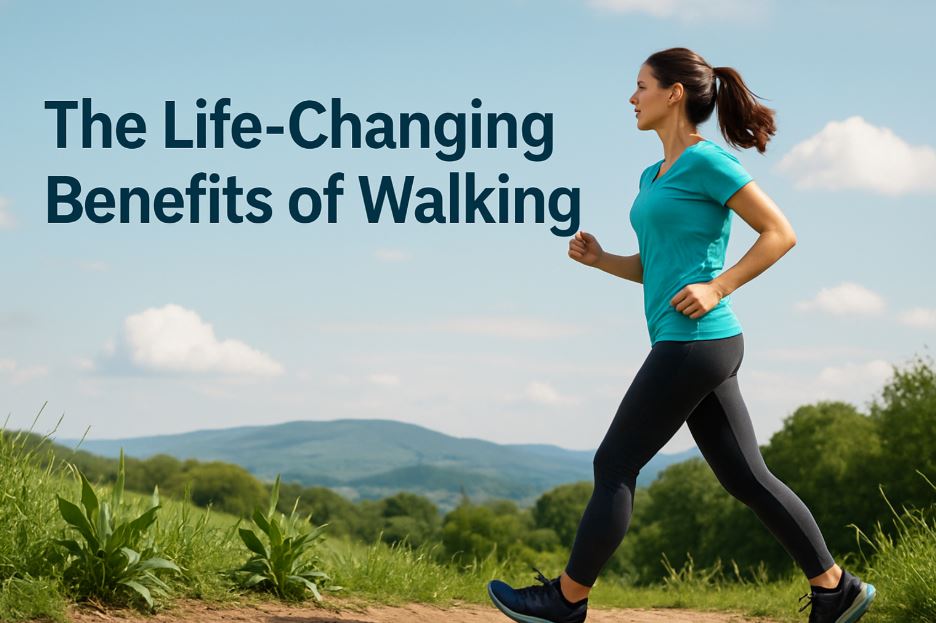
The Life-Changing Benefits of Walking
Walking is one of the most underrated forms of exercise, simple, accessible to nearly everyone, and packed with health benefits. Yet, studies suggest that not all walking is created equal. Research published in the American Journal of Preventive Medicine highlights the significant impact brisk walking can have on longevity and cardiovascular health, showing it may be one of the simplest ways to live longer and feel better.
Are you walking enough, and more importantly, are you walking in a way that maximises these benefits? Read on to discover the connection between walking and health, why speed and consistency matter, and how to make walking a daily habit that pays dividends.
Why Walking Matters
Physical activity is a key factor in maintaining good health and preventing disease. Walking, in particular, is a natural, low-impact way to stay active. According to the Office of Disease Prevention and Health Promotion, adults should aim for at least 150 minutes of moderate-intensity aerobic activity per week, which includes activities like brisk walking.
But beyond just movement, the pace and consistency of walking can provide varying degrees of health benefits. Walking doesn’t require gym memberships, equipment, or even much planning, it’s exercise in its most accessible form. Despite its simplicity, walking offers profound benefits, from reducing the risk of heart disease to enhancing overall longevity. The real question is whether most people are walking in a way that fully supports their health.
The Science of Brisk Walking
A recent study examining walking habits among low-income and Black populations revealed a significant correlation between walking speed, duration, and health outcomes. Key takeaways from the research include:
- Fast walking, classified as brisk walking or walking with energy, was associated with a nearly 20% decrease in mortality risk when people walked briskly for at least 15 minutes daily.
- Even slow walking for extended periods led to noticeable heart health benefits, particularly in reducing deaths caused by cardiovascular issues like ischemic heart disease.
- Walking in general was beneficial, regardless of whether participants engaged in additional leisure-time physical activities. However, those who incorporated bursts of fast walking saw the most significant reduction in death risks.
The study helps clarify what many experts have long believed—physical fitness is not just about moving but about improving the quality of movement. While slow walking is better than no movement at all, brisk walking emerges as a more effective way to improve heart health, endurance, and overall longevity.
The Benefits of Walking for Longevity and Heart Health
1. Improves Cardiovascular Health
Walking at any pace is beneficial for heart health, reducing the risk of high blood pressure, high cholesterol, and heart disease. However, fast walking provides an even greater impact by strengthening the heart, improving circulation, and increasing aerobic capacity.
The study revealed that participants who incorporated brisk walking saw stronger reductions in mortality stemming from cardiovascular diseases like heart attack and stroke.
2. Boosts Longevity
The association between brisk walking and a 20% decrease in mortality risk illustrates how walking can significantly extend lifespan. Think of those 15 minutes a day as an investment in added years, free from some of the most common chronic diseases.
3. Supports Weight Management
Walking not only burns calories but also builds endurance and muscle tone over time. Brisk walking, in particular, helps improve metabolism and fat loss, making it a practical addition to weight management routines.
4. Reduces Stress and Boosts Mental Well-being
Walking is an excellent way to clear the mind and reduce stress. Brisk walking, which triggers endorphin release, doubles as a natural mood booster that promotes mental clarity and reduces symptoms of anxiety and depression.
5. Accessible at Any Fitness Level
Unlike other forms of exercise, walking can be adapted to meet individual fitness levels. Whether you’re just starting out or already active, walking lets you choose your speed, distance, and terrain. For those who struggle to begin a running routine or vigorous workouts, walking serves as a non-intimidating step toward regular exercise.
Tips to Incorporate More Walking into Your Routine
It’s clear that walking, especially brisk walking, has extraordinary benefits. But how can you make it a regular part of your daily life? Here are some actionable tips:
1. Start Where You Are
If you’re currently inactive, begin with slow walks for 5–10 minutes a day and steadily increase your time and pace. For those who already walk occasionally, challenge yourself to incorporate 15 minutes of brisk walking.
2. Set Achievable Goals
Track your steps using a smartwatch, pedometer, or mobile app. Aim for a realistic target, like 6,000–10,000 steps per day, and gradually increase over time.
3. Make It Social
Walking with a partner or joining a local walking group can make the habit more enjoyable and sustainable. Plus, it’s easier to stay motivated when you share your goals with others.
4. Integrate Walking Into Your Commute
If possible, walk to work or school. If that’s not feasible, park your car farther from your destination, get off public transport a stop early, or opt for walking meetings.
5. Turn It into “Me Time”
Walking can also be time to listen to your favourite podcast, audiobook, or music playlist. Enjoying these small pleasures during your walk turns exercise into a satisfying daily ritual.
6. Vary Your Routes
Explore new paths, parks, or neighbourhoods to prevent boredom. Changing your surroundings can make walking feel like a mini-adventure.
7. Add Brisk Intervals
Even if your regular walking pace is slow, adding short intervals of brisk walking can significantly boost your health outcomes. For instance, walk slowly for two minutes, then briskly for one, and repeat for 20 minutes.
8. Prioritise Consistency Over Perfection
Don’t get hung up on whether you’ve walked the “perfect” amount. The key is to build the habit and incorporate walking into your day in a way that feels sustainable for the long term.
Walking may seem simple, but its benefits are far from ordinary. Whether you’re just starting a fitness routine or looking to enhance your current activity levels, walking is one of the easiest, most effective ways to improve your health and longevity. With just 15 minutes of brisk walking a day, you can decrease your risk of mortality by 20%.
Are you walking enough? If not, now’s the time to start.