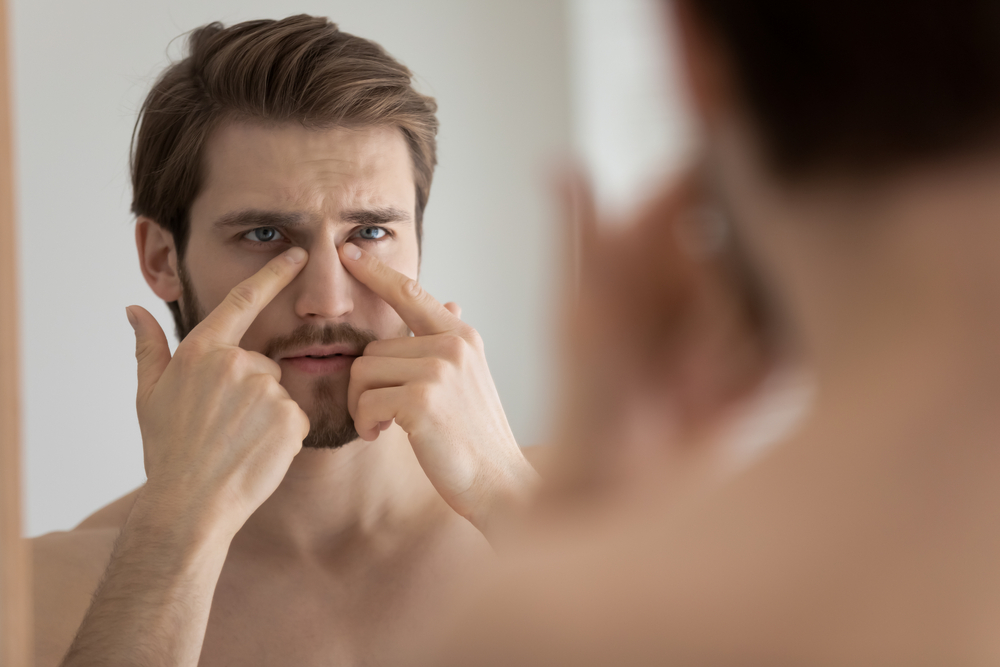
As the days grow shorter and we bundle up in layers, skincare often takes a backseat to surviving the cold. We tend to think of summer as the season for skin, but when it comes to tackling stubborn pigmentation, winter is actually the golden window of opportunity. If you have been waiting to address sunspots, melasma, or lingering acne marks, this is your sign to start.
Winter offers a unique biological and environmental advantage for correcting uneven skin tone. Here is why the colder months are the perfect time to fade pigmentation and prep your glow for spring.
The Sun Exposure Advantage
The primary enemy of pigmentation treatment is ultraviolet (UV) radiation. Sun exposure stimulates melanocytes—the cells responsible for producing pigment—which can cause existing spots to darken and new ones to form.
Treating pigmentation often involves methods like Chemical Peels or advanced Pigmentation treatment, both of which temporarily leave the skin more sensitive to sunlight. Attempting these treatments during summer, when UV index levels are high and you spend more time outdoors, carries a risk of setbacks or even post-inflammatory hyperpigmentation (PIH).
In winter, the UV index is naturally lower and we tend to spend more time indoors. This significantly reduces the risk of UV-related complications during healing, allowing your skin to recover safely and effectively.
High-Performance Treatments to Try Now
With reduced sun exposure acting as a protective buffer, winter is the ideal season to choose more intensive treatments that deliver deeper, longer-lasting results.
Chemical Peels
Winter is often called “peel season” for good reason. Professional peels work by removing damaged outer layers of skin where much of the visible pigmentation resides. Depending on your needs, your practitioner may recommend medical-grade Facials and Peels or deeper resurfacing sessions.
Ingredients such as glycolic acid, lactic acid, and TCA help dissolve the bonds between dead skin cells, revealing smoother, brighter skin beneath. Because freshly peeled skin is photosensitive, the calm, low-UV conditions of winter make this the safest and most effective time for treatment.
Laser Therapy and IPL
Light-based devices like fractional lasers, IPL, or targeted tools such as Pigmentation Correction Laser are highly effective at breaking down melanin clusters deep within the dermis. Since these devices rely on contrast between dark pigment and lighter skin, avoiding a summer tan is essential for both safety and results.
Winter provides the ideal environment—and skin tone—for lasers to work at maximum efficiency.
Topical Brighteners
Your at-home routine also benefits from the winter season. Potent brightening ingredients such as retinol, vitamin C, azelaic acid, and hydroquinone can increase sun sensitivity, making them far safer to introduce during the colder months.
Pairing these with consistent Sun Screen ensures protection while allowing brighteners to work without interference.
For those seeking deeper rejuvenation, combining brighteners with treatments like Microneedling or regenerative options such as Polynucleotides can further enhance clarity and texture.
Reveal Radiance by Spring
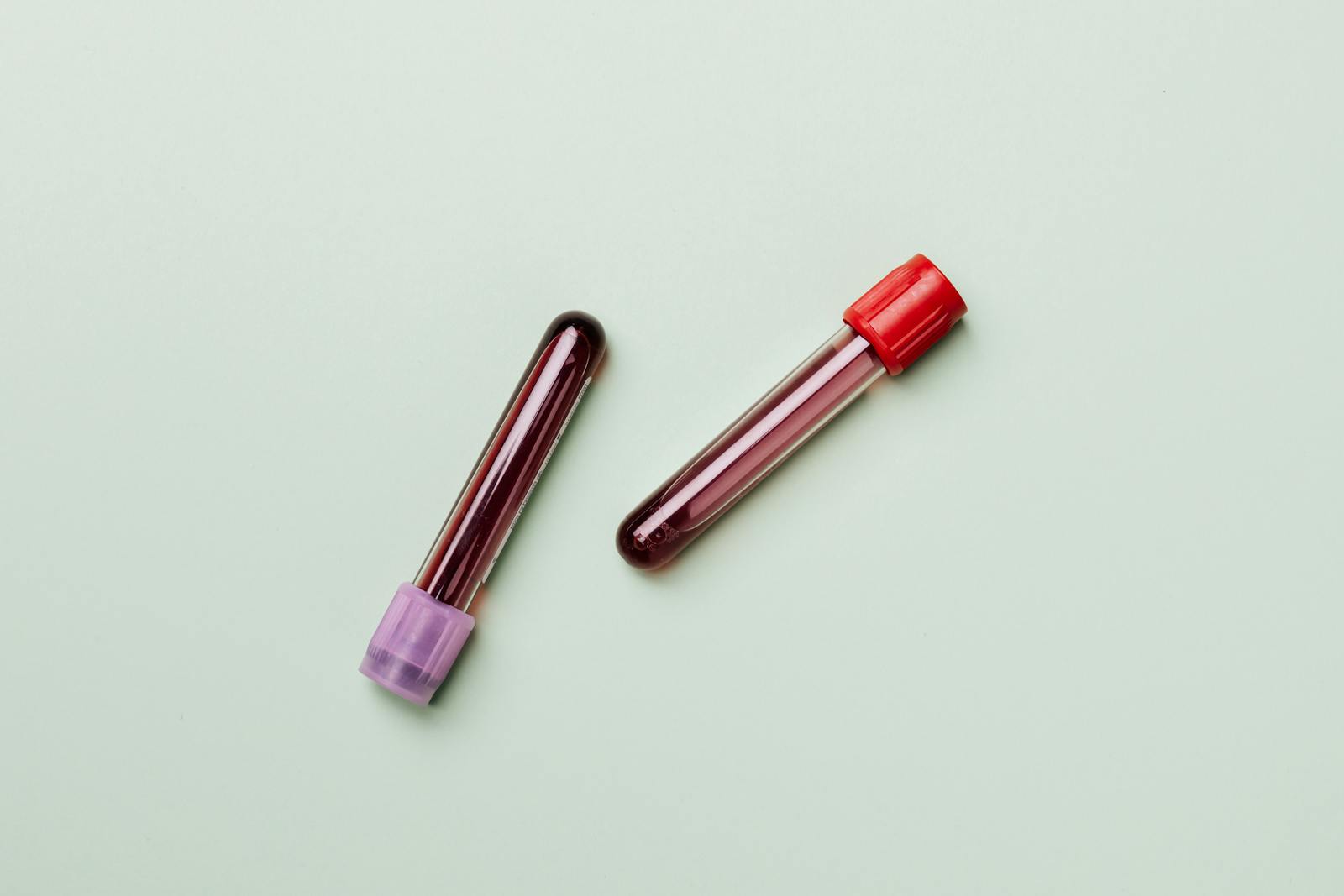
Pigmentation treatments are rarely a “one-and-done” process. Most require a series of sessions—whether peels, lasers, or PRP Therapy—spaced weeks apart to achieve optimal results.
By beginning your treatment plan in December or January, you give your skin time to heal, regenerate, and brighten through the winter. This ensures that by the time warmer days arrive, pigmentation has faded, skin barrier strength is restored, and your complexion appears more even, luminous, and confident.
Use this hibernation season wisely—and let winter work in your favour.