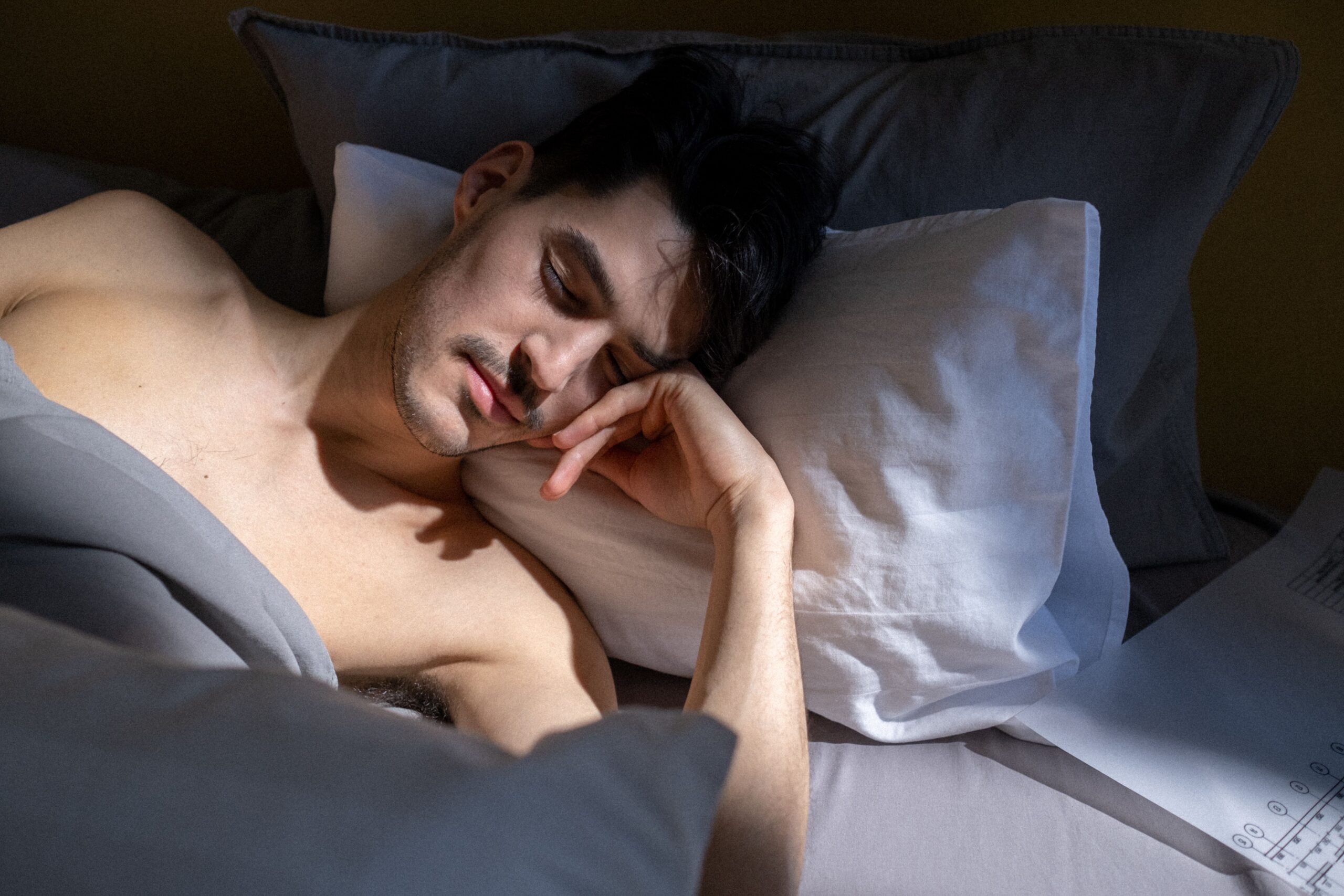
Summer is supposed to feel energizing. Long days, warm evenings, a pace that feels a little more alive than the rest of the year. So why do so many people spend the hottest months feeling sluggish, drained, and ready for a nap by 2pm?
The answer isn’t laziness. It’s biology — and once you understand what’s happening, fixing it becomes a lot more straightforward.
What Heat Actually Does to Your Body
Your body works constantly to maintain a stable internal temperature. When the mercury climbs, that job gets significantly harder. Your cardiovascular system redirects blood flow toward the skin to help you cool down, which means your muscles and organs get a little less than usual. Your heart rate increases. Your metabolism shifts gear.
All of that takes energy — and it happens whether you’re exercising or sitting still.
Add in disrupted sleep (more on that in a moment), increased fluid loss through sweat, and the kind of low-grade dehydration most people don’t even notice, and you’ve got a recipe for persistent fatigue that no amount of coffee will reliably fix.
Hydration Is Only Part of the Answer
Most people know they need to drink more water in summer. Fewer people know that water alone isn’t always enough.
When you sweat, you lose electrolytes — sodium, potassium, magnesium — alongside fluid. Plain water replenishes the fluid but not the minerals, which is why you can drink steadily all day and still feel flat and foggy by afternoon. A pinch of sea salt in your water, electrolyte tablets, or foods rich in potassium and magnesium (bananas, leafy greens, nuts, avocado) make a real difference to how your energy holds up through the day.
On the skin side, dehydration shows up fast. It dulls your complexion, makes fine lines look more pronounced, and accelerates that tired, washed-out look. A skin care routine built around lightweight hydration — including hyaluronic acid products applied to damp skin — helps your face reflect the energy you’re working to restore internally. In-clinic skin boosters go further still, delivering deep hydration that holds up through the heat in a way topical products can’t always match.
Sleep Is Where Most People Lose the Battle
Poor sleep in summer is one of the most underappreciated energy drains going. Your body needs a drop in core temperature to fall and stay asleep — and a hot bedroom makes that harder to achieve.
Quick wins for better summer sleep:
- Close blinds during the day to block heat before it builds
- Use a fan for airflow rather than just circulating warm air
- Switch to lightweight cotton or bamboo bedding that breathes
- Take a cool (not cold) shower 30–60 minutes before bed to accelerate that temperature drop
- Avoid alcohol close to bedtime — it disrupts sleep quality even when it helps you fall asleep faster
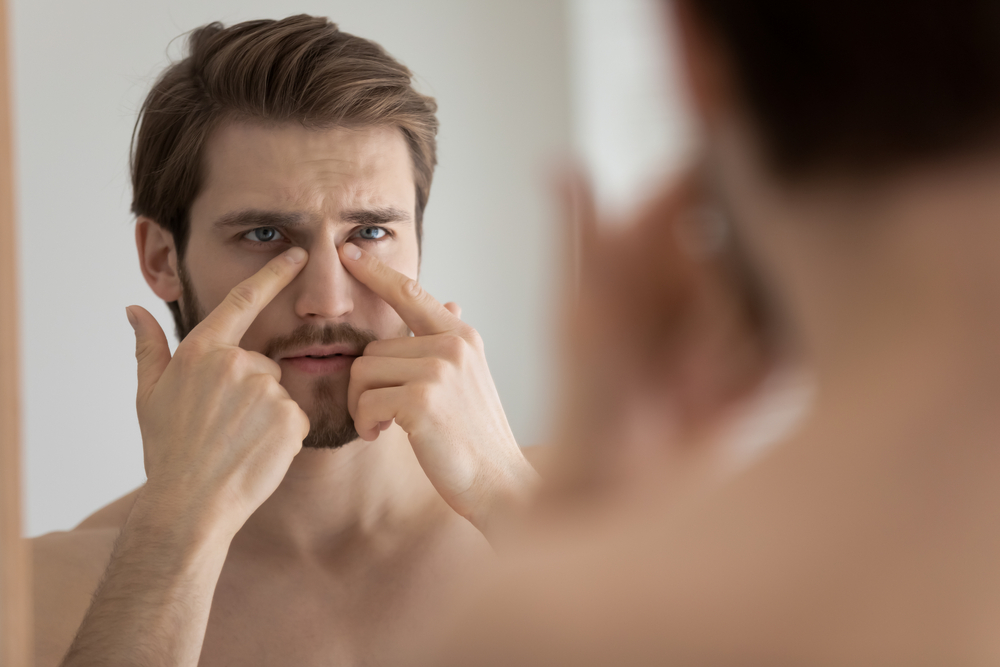
Better sleep doesn’t just restore energy. It visibly improves your skin. The cumulative toll of broken summer nights shows up around the eyes first — puffiness, hollowness, and the kind of shadowing that dark circle treatment can help address when consistent sleep improvement isn’t quite enough on its own.
Adjust Your Nutrition for the Heat
Heavy, rich meals require more digestive effort — and in hot weather, that effort pulls energy away from everything else. Lighter, more frequent meals tend to sustain energy better than two or three large ones.
Focus on:
- Cooling, hydrating foods: cucumber, watermelon, berries, leafy greens
- Lean proteins that support energy without digestive strain
- Avoiding high-sugar snacks that spike and crash blood sugar — a pattern that amplifies heat fatigue considerably
- Limiting caffeine in the afternoon, which compounds dehydration and disrupts sleep
Protect Your Skin While You Recover Your Energy
One often-overlooked energy drain is sun exposure itself. UV radiation creates oxidative stress on your body, and recovering from it — even mild daily exposure — costs cellular energy. A reliable sun screen every morning reduces that burden and protects against the cumulative skin damage that makes tired summer skin look older and duller than it should.
If your skin has been looking particularly fatigued, treatments like polynucleotides and PRP therapy actively boost collagen production and support your skin’s repair process — helping you look rested even on the days you don’t quite feel it yet.
Build an Energy-First Daily Structure
Small scheduling choices add up significantly in summer:
- Move exercise to early morning or evening when temperatures are lower
- Take a genuine midday break — even 15–20 minutes of rest in a cool space helps reset your system
- Reduce your expectations on peak heat days — your body is working harder than usual just to maintain equilibrium; working with that instead of against it is a strategy, not a surrender
- Get outside in the early morning when the air is still fresh and the light is good — it anchors your circadian rhythm and makes the rest of the day easier
The Bottom Line
Summer fatigue isn’t a character flaw. It’s a predictable physiological response to heat, disrupted sleep, and fluid imbalance — and it’s largely fixable with the right adjustments. Prioritize electrolytes alongside water, protect your sleep environment, eat lighter, move smarter, and shield your skin from the UV load that drains you from the outside in.
Start with sleep and hydration. Those two changes alone will move the needle faster than anything else. Your energy — and your skin — will catch up quickly when you give your body what it actually needs to function in the heat.