For generations, the approach to aging was reactive. People waited until wrinkles appeared or volume loss became visible before turning to aesthetic medicine for help. Today, that model has been flipped by a powerful and enduring trend: prejuvenation. Instead of reversing age-related changes, the focus is now on preventing them.
Prejuvenation refers to starting minimally invasive injectable treatments and advanced skincare earlier—often in the late 20s to early 30s—to maintain youthful features and delay more intensive interventions later. This shift prioritises prevention, subtlety, and long-term skin health.
The Mindset Shift: Prevention Over Cure
Younger generations are more informed than ever thanks to social media and widespread skin-education resources. They understand the value of building a personalised skin care and beauty routine early and recognise that it’s easier to prevent wrinkles than to erase them.
This audience isn’t seeking drastic transformations—they want to look refreshed, well-rested, and natural. Prejuvenation supports these goals by promoting strategic, gentle interventions over time.
The Most Popular Prejuvenation Treatments
1. Preventative Neurotoxins
Preventative neurotoxins—often called “Baby Botox”—use very small doses of Botox to soften dynamic expression lines. As a long-term wrinkle reduction treatment, this helps prevent deep creases from forming.
These Safe Botox injections allow clients to maintain natural facial movement while reducing wrinkle etching over time.
2. Early Collagen-Stimulation Treatments
Collagen loss begins as early as our mid-20s, making early intervention essential. Treatments like Microneedling and Radio Frequency Microneedling help boost collagen production, improving the skin’s firmness and resilience.
For those comparing options, understanding RF microneedling vs microneedling can help determine the ideal treatment path.
Advanced modalities such as Exosomes / Puresomes and Polynucleotides are also rising stars in prejuvenation, providing regenerative support and enhancing overall skin rejuvenation.
3. Medical-Grade Skincare
A good prejuvenation plan begins with high-quality Prescription-Grade Facials, antioxidants, retinoids, and daily SPF. Many clients also incorporate professional Chemical Peels or Facials and Peels to maintain smoothness, clarity, and healthy turnover.
Hydration-focused treatments like Hydrating Facials are used regularly to maintain glow and elasticity.
4. Subtle Early Filler Work
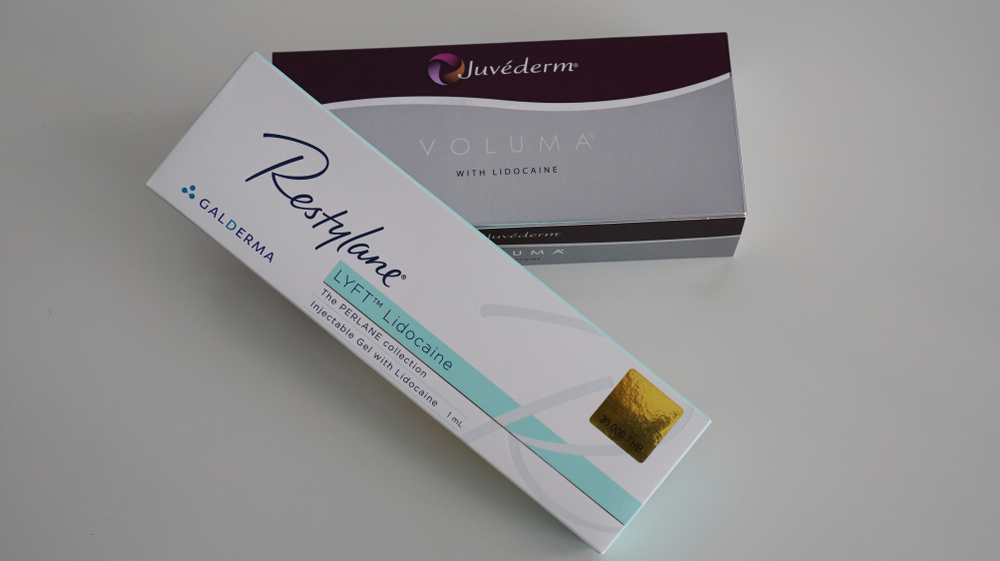
Volume maintenance, when done gently and conservatively, is a key part of prejuvenation. Many clients choose low-dose Hyaluronic Fillers to preserve youthful contours in areas such as the lips, cheeks, or temples.
Popular options include:
- Lip Fillers for shape and hydration
- Cheek Enhancement to maintain lift
- Temple Filler for upper-face support
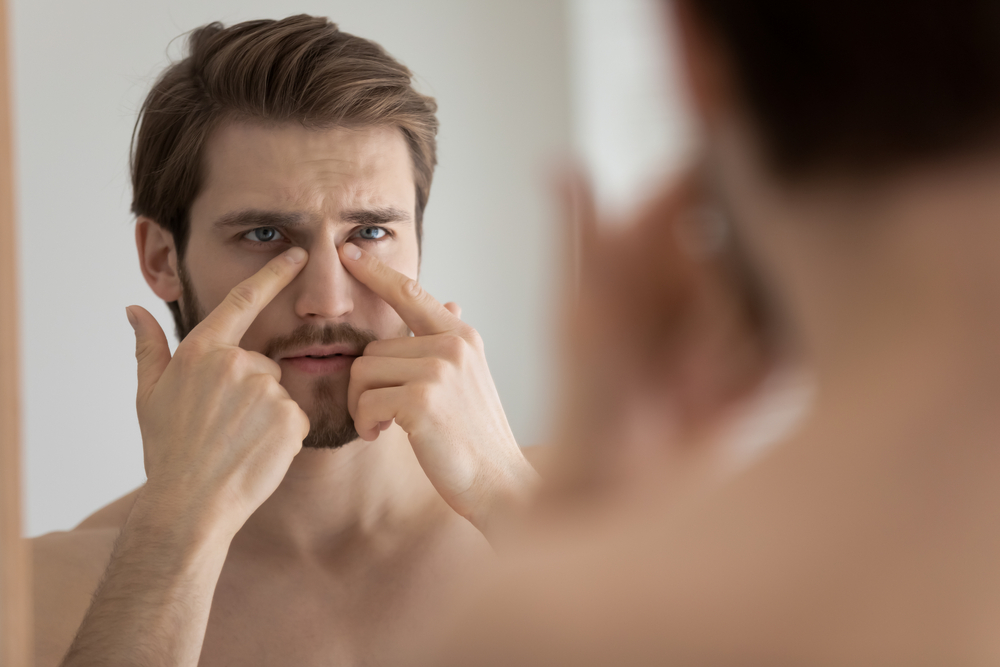
- Tear Trough Filler to reduce early tired-eye shadows
For those curious about longevity, “How long do dermal fillers last?” remains one of the most common prejuvenation questions.
The Long-Term Benefits of Starting Early
Prejuvenation isn’t about excess—it’s about moderation. By investing in small, preventative Beauty Treatments and subtle enhancements early, clients often avoid the need for aggressive corrective procedures later.
This approach is:
- More cost-effective over a lifetime
- Better for maintaining natural results
- Aligned with the “less is more” philosophy
- Supportive of long-term confidence and skin health
For many, prejuvenation also leads to better outcomes from future Non-Surgical Facelift / Liquid Facelift / Face Contouring treatments by preserving foundational structure.
Why Prejuvenation Isn’t Going Anywhere
As younger generations prioritise wellness and ageing well, prejuvenation continues to dominate. With access to advanced options—like Skin Boosters and regenerative therapies—clients can maintain fresh, healthy, lifted skin for years.
And with more people seeking care from a Cosmetic clinic or Aesthetic clinic near me staffed by a Qualified cosmetic doctor, the emphasis remains on safety, subtlety, and long-term planning.