
Exercise is celebrated as a cornerstone of health, promising a toned body, a sharp mind, and that coveted post-workout glow. While moderate physical activity delivers on these promises, there’s a point where too much of a good thing can backfire. Pushing your body past its limits without adequate rest, known as overtraining, doesn’t just lead to burnout and injury—it can also show up directly on your face.
The very same process that gives you a healthy glow during a normal workout can turn against you when you overdo it. Understanding these signs is key to finding a sustainable balance that benefits both your body and your skin.
The Cortisol Connection: Stress on Your Skin
When you exercise, your body releases cortisol, the primary stress hormone. In short bursts, this is perfectly normal and helps mobilize energy. However, chronic overtraining puts your body in a constant state of stress, leading to persistently elevated cortisol levels.
High cortisol is bad news for your skin. It accelerates the breakdown of collagen and elastin, the proteins that keep your skin firm and plump. This can lead to premature signs of aging, such as fine lines, wrinkles, and a loss of facial volume. It can also trigger inflammation, contributing to acne breakouts and other skin sensitivities.
Dehydration, Dullness, and Dark Circles
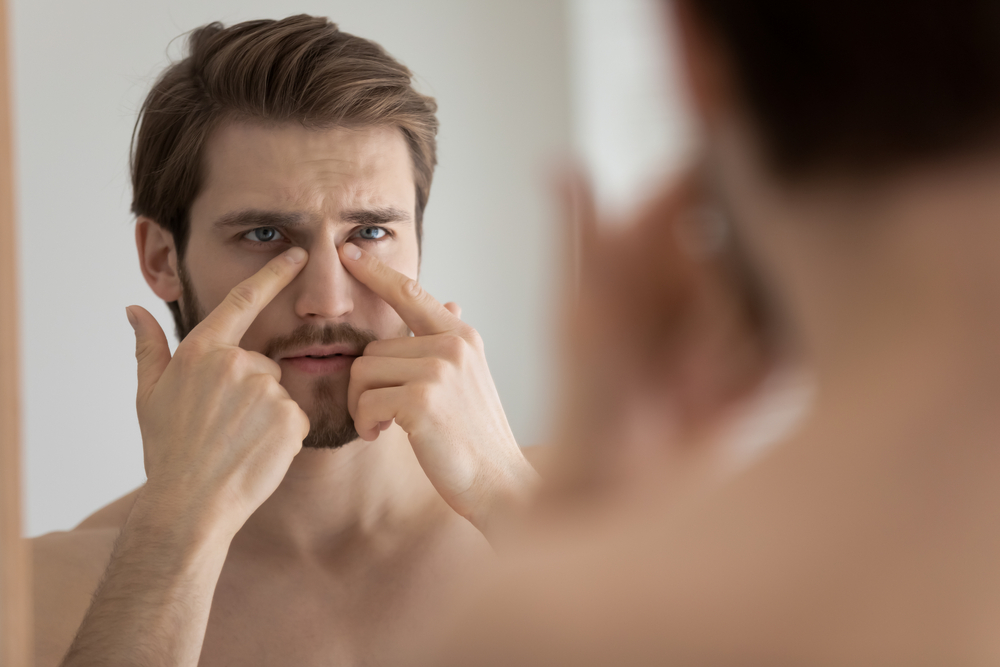
Intense, prolonged workouts cause you to lose significant amounts of water and electrolytes through sweat. If you’re not rehydrating properly, your skin pays the price. Dehydration is one of the fastest ways to get a dull, lackluster complexion. It can make fine lines more prominent and cause the delicate skin under your eyes to appear sunken and dark.
Overtraining also disrupts your sleep patterns. Your body repairs itself during rest, but high cortisol levels can interfere with your ability to get deep, restorative sleep. The result? You wake up looking as tired as you feel, often with puffy eyes and a tired, drawn appearance.
Finding the Sweet Spot: Balance and Recovery
The solution isn’t to stop exercising. It’s to listen to your body and prioritise recovery. Rest days are not a sign of weakness; they are a critical part of any effective fitness plan. During recovery, your muscles repair, your hormones rebalance, and your skin gets a chance to rejuvenate.
Think of your fitness routine as a three-part cycle: train, refuel, and rest. Neglecting any one of these components will throw the whole system out of balance.
When Your Skin Needs a Reset
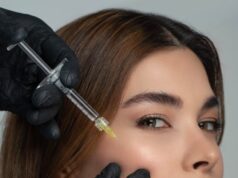
If overtraining has already taken a toll on your face, there are ways to support your skin’s recovery alongside your physical rest. Professional aesthetic treatments can help mitigate the visible signs of stress and fatigue, giving your skin the boost it needs to get back on track.
- To Combat Dullness: If your complexion looks tired and lackluster, a aesthetic medicine can work wonders. This treatment exfoliates away dead, dull cells to reveal the brighter, healthier skin underneath.
- To Restore Texture and Firmness: To address the loss of collagen and resulting fine lines, 3D Radiofrequency Microneedling is an excellent choice. It stimulates your skin’s natural healing process, encouraging new collagen production for a smoother, firmer appearance.
- To Soften Stress Lines: Overtraining can lead to facial tension, deepening lines around the eyes and forehead. Acne Scar Treatment can help relax these specific muscles, smoothing out existing wrinkles and preventing new ones from forming, helping you look as rested as you need to feel.
A healthy lifestyle is all about balance. Your face is often the first place to signal that you’ve pushed too hard. By tuning into these signs and prioritizing rest, you can ensure your fitness journey supports your well-being from head to toe.