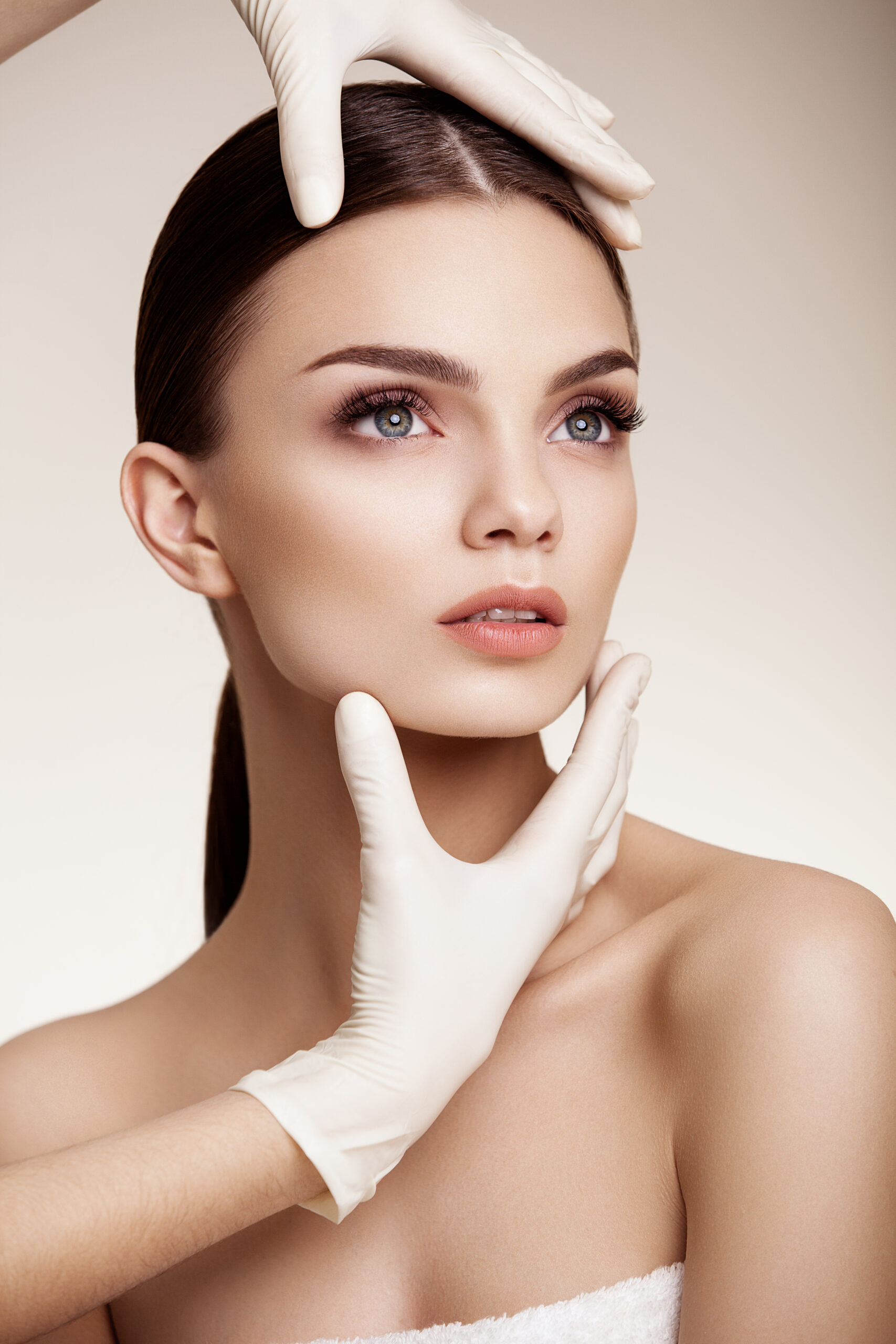
The pursuit of a youthful appearance is a tale as old as time. From ancient remedies to modern medicine, humans have long sought ways to preserve their looks. Today, this desire often leads people to consider cosmetic procedures. But what drives this decision? The reasons are complex, weaving together personal feelings, social pressures, and cultural ideals.
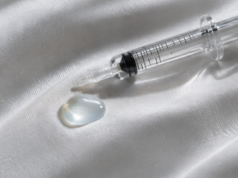
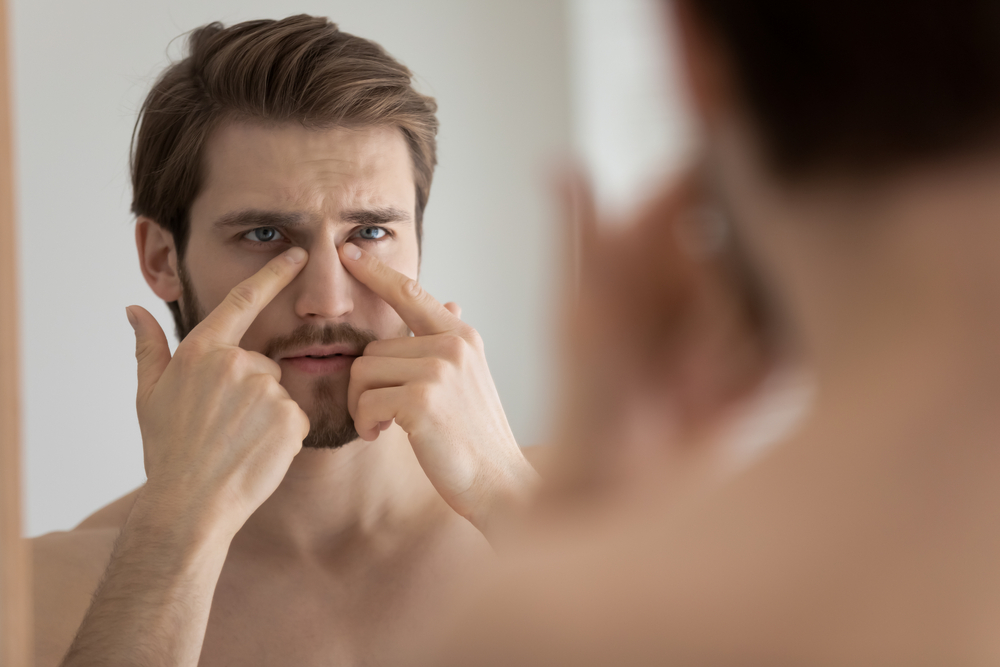
At its core, the choice to undergo a cosmetic procedure is deeply personal. For many, it’s about aligning their external appearance with how they feel inside. You might feel vibrant and energetic, but see a tired reflection in the mirror. This disconnect can impact self-esteem. Procedures like Botox, which smooths wrinkles, or dermal fillers, which restore lost volume, can help bridge that gap. The goal isn’t always to look like a different person, but to look like a refreshed, more confident version of oneself. This boost in confidence can extend beyond appearance, positively influencing social interactions, career opportunities, and overall well-being.
Society also plays a significant role. We are constantly surrounded by images of seemingly flawless celebrities and influencers. Social media filters present an idealized version of beauty that can be difficult to ignore. This creates an environment where looking young and “put-together” is often equated with success and vitality. This pressure can be subtle but powerful, influencing individuals to seek treatments to correct what they perceive as imperfections, whether it’s a crooked nose corrected by rhinoplasty or sagging skin tightened with a facelift.
Cultural values also shape our views on aging and beauty. In many Western cultures, youth is heavily celebrated, and the signs of aging are often seen as something to be fought or concealed. This contrasts with other cultures where age is viewed as a symbol of wisdom and respect. The global nature of media, however, has started to blend these perspectives, popularizing certain aesthetic standards worldwide. Procedures like eyelid surgery (blepharoplasty) or laser skin resurfacing are now common across the globe as people strive to meet these evolving beauty ideals.
The benefits people seek are both physical and emotional. A successful procedure can make someone feel more comfortable in their own skin. For example, a breast reduction can alleviate physical back pain while also improving body proportion and self-image. A chemical peel can remove sun damage, resulting in healthier-looking skin and a renewed sense of confidence. The perceived benefit is often a feeling of taking control of one’s appearance in a world where so much is uncontrollable.
However, it’s important to approach cosmetic procedures with a balanced perspective. While they can offer significant positive outcomes, they are not without risks. There are potential complications, the financial cost can be substantial, and there’s the emotional risk of not achieving the desired results. The pressure to look a certain way can also lead to an unhealthy fixation on appearance.
Ultimately, the decision to pursue a cosmetic procedure is a personal journey. It’s driven by a mix of our own internal desires, the society we live in, and the cultural messages we receive. Whether it’s to boost confidence, feel more like oneself, or simply address a feature that has always been a source of insecurity, the goal is often the same: to find greater harmony between the person we are and the person we present to the world.