
Blisters caused by the sun, often referred to as sun blisters, are a severe form of sunburn that can occur after prolonged exposure to UV radiation. Unlike a standard sunburn, which results in redness, tenderness and peeling, sun blisters develop when the skin is badly damaged and begins to bubble. These fluid-filled sacs are the body’s way of protecting and healing the deeper layers of skin.
Sun blisters are a warning sign that the skin’s natural barrier has been compromised. They often appear a few hours after exposure and may be accompanied by swelling, pain, or a sensation of tightness across the affected area. In some cases, they can even cause headaches or fever, especially if the burn is widespread.
Who Is at Risk?
Sun blisters can affect anyone, but people with fair skin, those taking photosensitising medications, or individuals with autoimmune conditions are particularly vulnerable. Activities like hiking, swimming or even driving in direct sunlight without adequate protection can trigger a blistering reaction.
How to Deal with Sun Blisters
The first rule of treating sun blisters is simple: do not pop them. The blister acts as a sterile environment that protects the raw skin beneath from infection. Popping it increases the risk of scarring, bacterial infection and prolonged healing.
Instead, follow these steps to soothe and heal:
1. Cool the Skin Gently
Use cool compresses or take a lukewarm bath to lower skin temperature. Avoid cold water or ice, as this can further shock already damaged skin.
2. Apply Soothing Skincare
Look for moisturisers or gels that contain aloe vera, chamomile or calendula. These ingredients are known for their anti-inflammatory and hydrating properties.
A traditional remedy like plain Greek yogurt can also be effective. Its probiotics and lactic acid help calm inflammation and support the skin’s repair process. Apply a thin layer, leave it on for 10 minutes and rinse gently with cool water.
3. Protect the Area
Loose, breathable clothing can prevent friction on the blisters. Stay out of the sun entirely while the skin heals, and avoid applying harsh products like exfoliants or retinoids to the area.
4. Hydrate From Within
Drink plenty of water. Sunburn and blistering increase fluid loss and can dehydrate your skin and body faster than you may realise.
5. Monitor for Infection
If the blister becomes increasingly painful, leaks pus, or the skin around it becomes red and warm, consult a medical professional. These are signs of infection and may require antibiotic treatment.
Prevention Is Better Than Cure
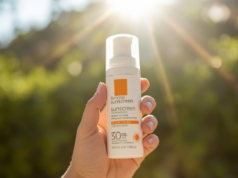
Sun blisters are preventable. Always wear broad-spectrum SPF 30 or higher, reapply it every two hours, and avoid sun exposure during peak UV hours between 11am and 3pm. Wide-brimmed hats, UV-protective clothing, and shaded areas are your allies in summer.
Even a single episode of blistering sunburn can significantly increase your long-term risk of skin cancer. If you’ve had a sun blister in the past, you are more susceptible to further sun damage.
Sun blisters are more than just a temporary nuisance. They signal significant skin trauma and require proper care to heal safely. By understanding the causes and taking quick action, you can reduce discomfort and lower your risk of complications. Protecting your skin from sun exposure isn’t just cosmetic — it’s essential to your health.