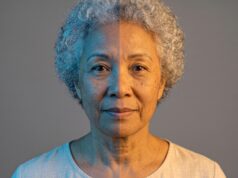
When we think about aging, we often fixate on wrinkles or gray hair. However, one of the most significant changes that alters our appearance happens beneath the surface: the loss and redistribution of facial fat. Understanding the science behind this process is key to understanding why our faces change shape over time and how modern aesthetic medicine can help restore a youthful structure.
The Role of Facial Fat Pads
In our youth, facial fat is evenly distributed in distinct pockets or “pads.” These pads provide volume and support, creating the smooth contours and high cheekbones associated with the “triangle of youth.” Fat acts as the scaffolding that holds up our skin. However, as we age, two main things happen: these fat pads shrink (atrophy) and they shift downward due to gravity and weakening ligaments.
This volume loss is why skin that was once taut begins to droop. It’s not just that the skin is stretching; it’s that the underlying support system is deflating. This often leads to the need for a targeted sagging skin treatment to address the resulting laxity.
Where Do We Lose Volume?
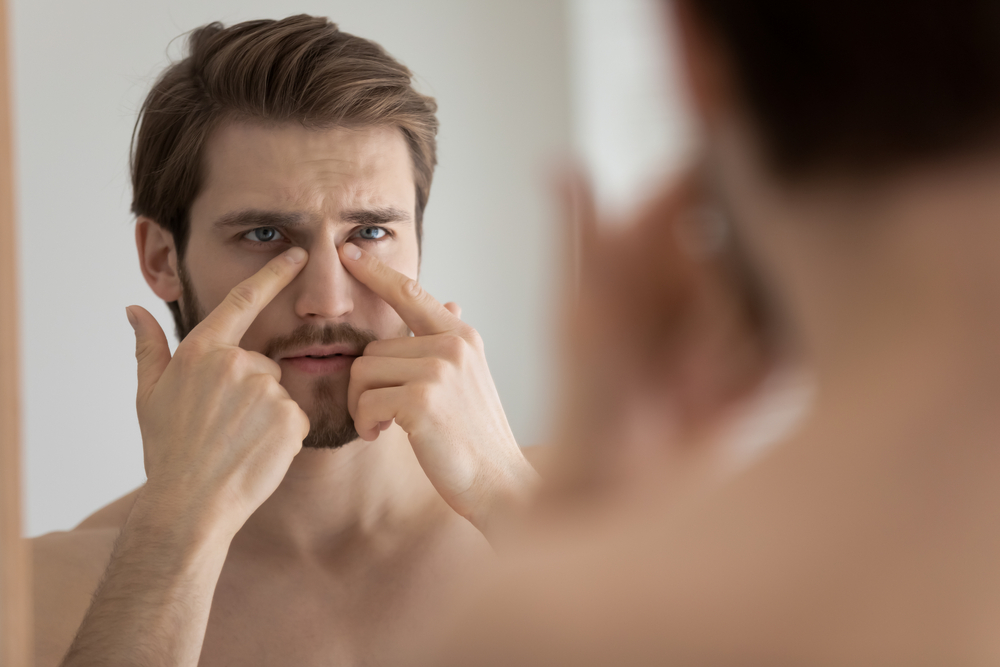
The loss of volume is most noticeable in specific areas. The temples can become hollow, the cheeks flatten, and the area under the eyes can deepen, creating tired-looking shadows. A specific dark circle treatment or tear trough filler is often required to correct this “skeletonization” of the orbital area.
As the mid-face loses volume, the skin slides down, gathering around the jawline and chin. This can create jowls, blurring the sharp definition of the jaw. Paradoxically, while we lose fat in the mid-face, we might accumulate it in the lower face or neck, sometimes necessitating a chin fat dissolver to refine the profile while restoring volume elsewhere.
Restoring Structure with Aesthetic Solutions
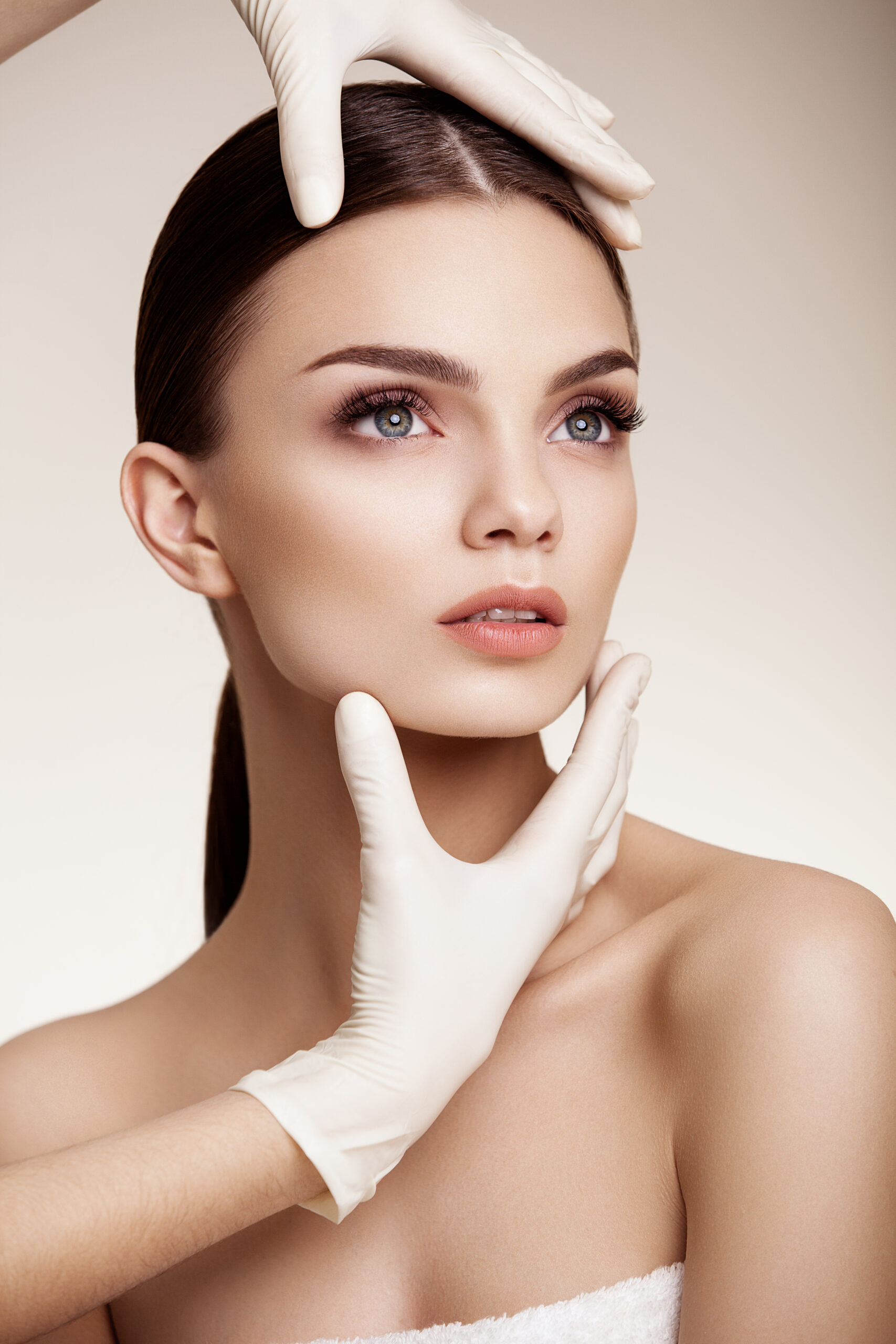
Fortunately, understanding the science of volume loss allows for precise corrections. The primary method for combating this deflation is the use of hyaluronic fillers. By strategically placing filler to mimic lost bone and fat, a qualified cosmetic doctor can lift and support the facial structure.
For example, cheek enhancement restores the mid-face foundation, which lifts the lower face naturally. Temple filler can smooth out the upper face, while jaw enhancement redefines the facial border. When combined, these procedures are often referred to as a liquid facelift or non-surgical facelift, offering profound results without surgery.
Beyond fillers, improving skin quality is crucial. Treatments like Radio Frequency Microneedling and polynucleotides help boost collagen production and thicken the dermis, making it more resilient against volume changes. Skin boosters can also provide deep hydration, smoothing out fine lines that appear as volume depletes.
Aging is a natural biological process, but you have choices in how you manage it. By visiting a reputable aesthetic clinic near me and consulting experts, you can address the root cause of aging—volume loss—rather than just treating the symptoms.