
We love an informed patient. Walking into a clinic with a basic understanding of your concerns and potential solutions is empowering. However, there is a tipping point where information becomes noise. In the age of viral TikTok trends and “Dr. Google,” aesthetic practitioners are seeing a rise in the “Over-Researched Patient”—someone who arrives with a firm diagnosis and a rigid treatment plan based entirely on internet searches, often to their own detriment.
The Dangers of Algorithm-Based Diagnostics
The internet is a vast library of information, but in the world of aesthetic medicine, context is everything. Social media algorithms are designed to show you extreme results, scary complications, or “miracle” hacks because these generate engagement. They do not, however, account for your unique anatomy, medical history, or skin type.
When you consume hours of conflicting content, it is easy to develop “analysis paralysis” or unrealistic expectations. You might read that a certain laser is the “gold standard” for everyone, not realizing it could cause hyperpigmentation on your specific skin tone. Or, you might convince yourself you need 5ml of filler because an influencer had it, without realizing your facial structure cannot support that volume.
Why a Qualified Cosmetic Doctor Matters
This is where the expertise of a qualified cosmetic doctor becomes non-negotiable. A blog post or a 60-second video cannot palpate your tissue, assess your dynamic muscle movement, or understand your lifestyle factors.
True skin rejuvenation requires a bespoke approach. Your practitioner has spent years studying anatomy and physiology to understand not just what to inject, but where, how deep, and why. When a patient dictates the treatment based on online research, they are essentially asking a pilot to fly the plane based on a flight simulator game they played.
When Research Clashes with Reality
There are common areas where online research often leads patients astray:
- The Unit Count Myth: Patients often request Botox Injections based on a specific number of units they read about in a forum. “I need 20 units here and 10 there.” However, muscle strength and mass vary wildly from person to person. A standard dose for one person might be a frozen look for another. Trusting your injector to assess your muscle activity is the only path to safe Botox injections.
- Depth and Intensity: With treatments like Microneedling, patients sometimes demand the deepest needle setting, assuming “deeper means better.” In reality, treating too deeply on delicate skin can cause scarring or fat loss. Professional guidance ensures the treatment matches your skin’s tolerance.
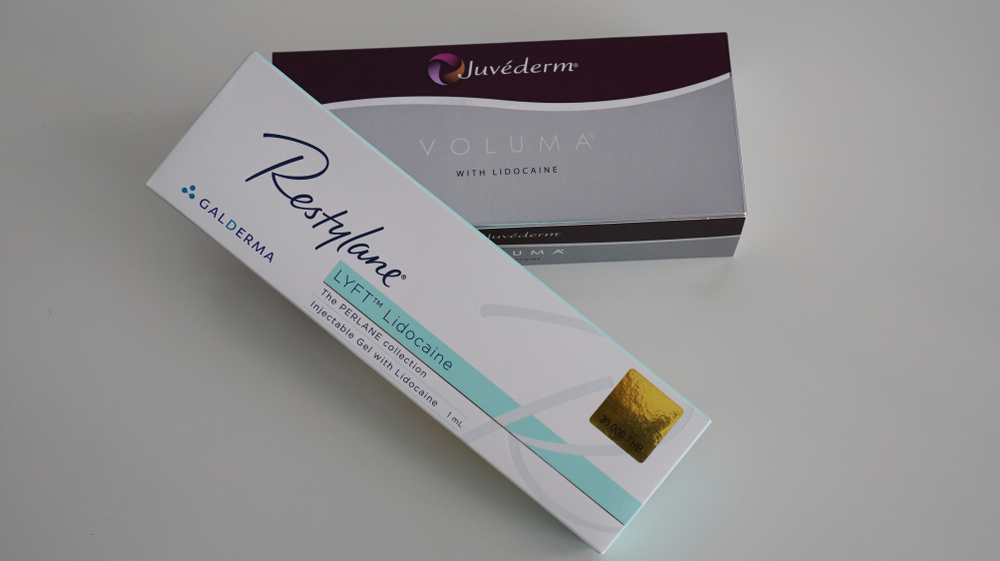
- Product Confusion: The distinction between products can be subtle. Patients frequently request Skin Boosters expecting a lift, or fillers expecting better skin texture. Understanding that boosters are for hydration and fillers are for structure is a nuance often lost in online research.
Research the Provider, Not the Prescription
The best use of your research time is not investigating the molecular weight of a filler, but investigating the credentials of your clinic. Look for safety records, before-and-after galleries, and patient testimonials.
Once you find a provider you trust, allow them to do what they do best. Bring your questions and your goals, but leave the treatment plan to the experts. The best results come from collaboration, not from copying a stranger on the internet.