
For years, topical corticosteroids have been the frontline defense against eczema, prized for their ability to swiftly calm inflammation. However, a growing number of patients are encountering a devastating clinical hurdle: Topical Steroid Withdrawal (TSW). Also known as Red Skin Syndrome, this complex iatrogenic (treatment-induced) condition occurs when the skin becomes dependent on steroids, triggering severe rebound inflammation when the medication is stopped or tapered.
Despite increasing recognition from global regulatory bodies like the UK’s MHRA, TSW remains a massive point of confusion in clinical settings. Many patients find themselves locked in a frustrating cycle where their systemic withdrawal is repeatedly misdiagnosed as merely “worsening eczema.”
Understanding the doctor’s dilemma requires looking at why these two conditions look so similar on the surface—and the key signs that reveal what is truly happening.
The Overlap: Why Doctors Get Tricked
The primary reason TSW is so frequently misdiagnosed is that its baseline symptoms—redness, intense itching, and extreme flaking—heavily overlap with a severe atopic dermatitis flare-up. When a patient stops using their steroid cream and their skin rapidly deteriorates, a physician’s natural instinct is to assume the underlying eczema is simply bouncing back.
Furthermore, because there is no single universally agreed-upon laboratory test or biopsy that can definitively flag TSW, it remains a diagnosis of exclusion. To a doctor operating on traditional dermatological timelines, the immediate solution to a massive flare appears to be a stronger prescription. However, treating a steroid dependency with a higher-potency steroid only delays the inevitable, deepening the addiction cycle.
Spotting the Differences: Eczema vs. TSW
While the surface irritation looks similar, true TSW exhibits distinct clinical signs that behave completely differently from traditional eczema.
| Feature | Atopic Eczema | TSW Syndrome |
| Dominant Sensation | Intense, unsatisfiable itching | Burning, scalding pain and heat |
| ** Rash Boundaries** | Stays within localized patches | Spreads beyond original application areas |
| Systemic Symptoms | Rare | Chills, shivering, and thermodysregulation |
| Skin Texture | Dry, rough patches | Thickened, inelastic “elephant skin” |
Pathognomonic Signs of TSW
When diagnosing TSW, dermatologists look for highly specific visual and physical markers that never appear in standard eczema cases:
- The “Red Sleeve” Sign: A distinct rebound rash covering the arms or legs that stops with a sharp, dramatic cutoff at the wrists or ankles, completely sparing the palms and the soles of the feet.
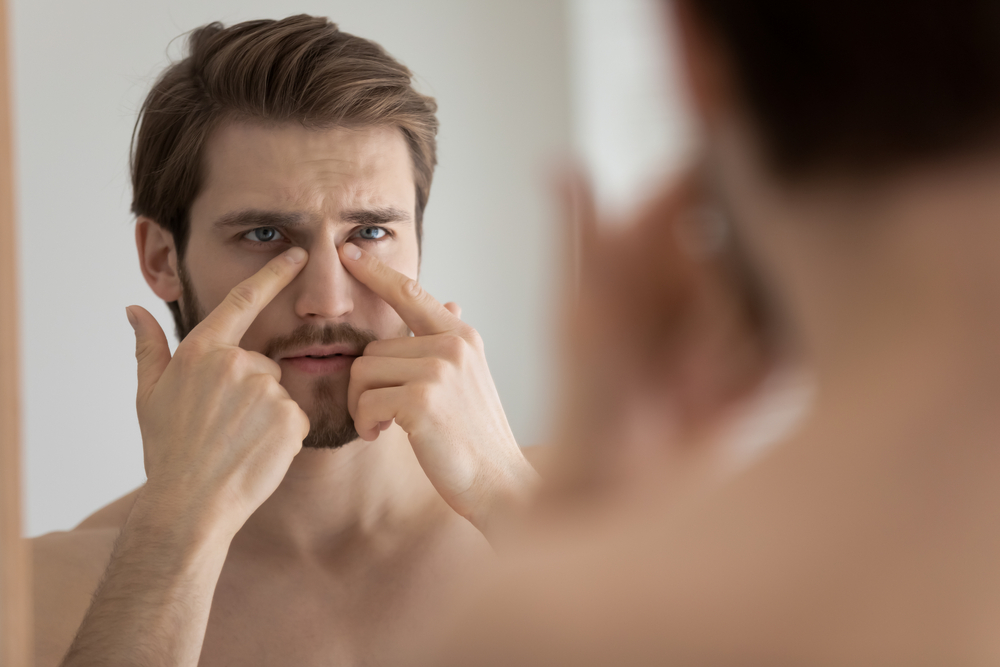
- The “Headlight” Sign: Uniform, fiery facial redness that halts midway across the cheeks, leaving the nose, perioral (around the mouth), and perinasal skin entirely clear.
- Thermodysregulation: Patients often experience severe, systemic hot flashes, deep bone chills, or uncontrollable shivering as the nervous system and blood vessels struggle to regulate temperature.
Shifting Toward Cellular Rehabilitation
When a patient is correctly diagnosed with TSW, the clinical objective completely changes. It transitions away from topical immunosuppression and moves toward deep, restorative care.
To safely manage extreme dryness without stinging, patients turn to minimalist, ultra-pure Hyaluronic Acid Products to bind moisture to the fragile epidermis. Because UV exposure can easily irritate a raw skin barrier, committing to a gentle Skin Care Routine anchored by a daily physical Sun Screen is essential.
To accelerate the grueling recovery process, advanced Skin Rejuvenation protocols are showing immense promise. Instead of stretching the skin, clinicians use cell-signaling Skin Boosters infused with Polynucleotides or Exosomes / Puresomes. These bio-stimulators work at a deep biological level to down-regulate chronic vascular inflammation, Boost Collagen Production, and help the body rebuild a completely decimated skin barrier.
By learning to recognize the unique signs of TSW, the medical community can stop treating the symptoms of dependency with the very medication that caused them—allowing patients to finally embark on a true path to healing.