High blood pressure, often dubbed the “silent killer,” impacts millions worldwide, increasing the risk of life-threatening conditions such as stroke and heart attack. But what if a natural, affordable supplement could make a significant difference? Enter Spirulina, a type of blue-green algae gaining recognition not only for its impressive nutritional profile but also for its potential to support cardiovascular health and overall well-being.
Read on to discover how this 14p supplement could become a game-changer in managing hypertension and boosting your health.
What is Spirulina?
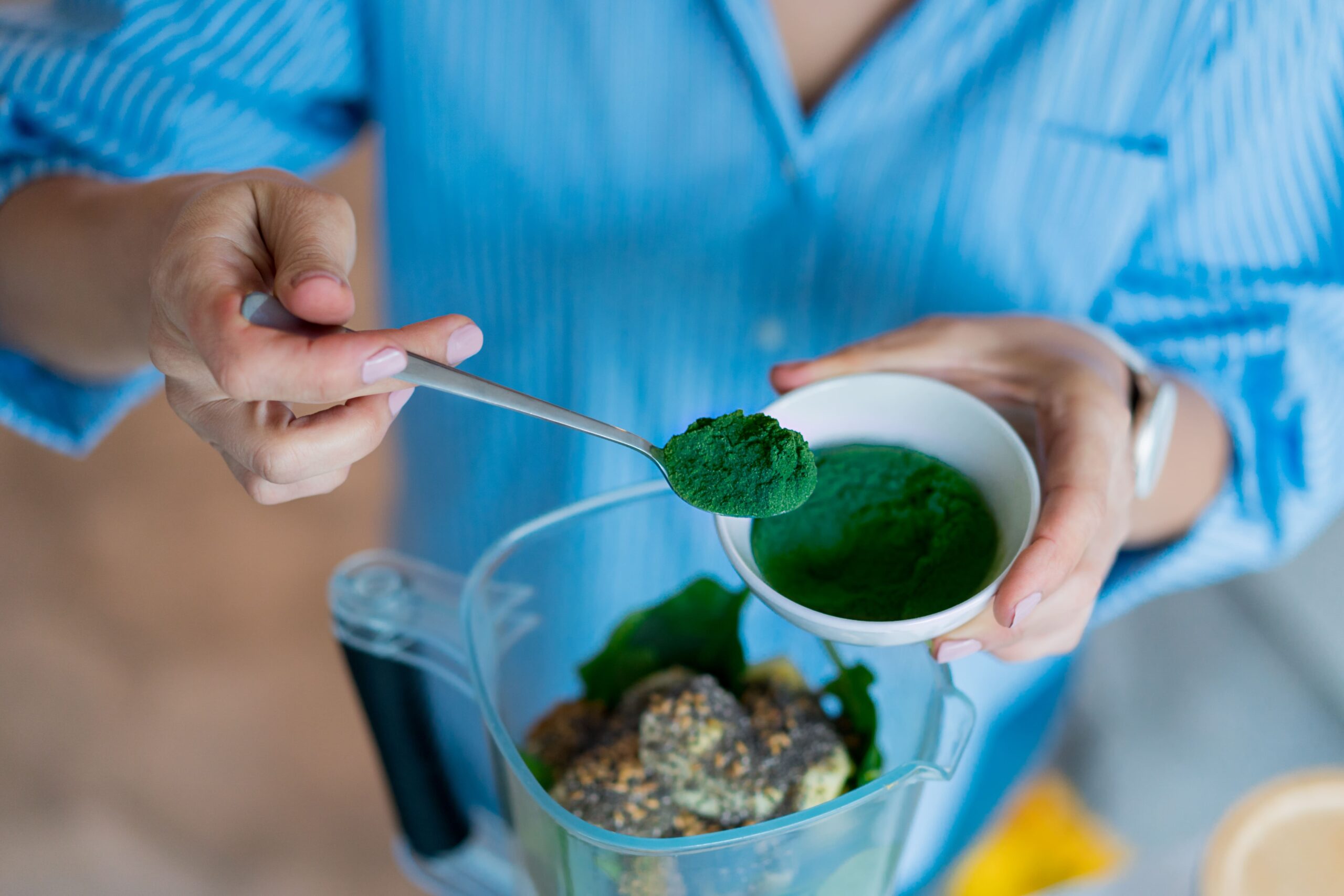
Spirulina is a unique, nutrient-rich type of blue-green algae that’s been consumed for centuries, particularly by ancient civilisations like the Aztecs. Today, it’s known for being a superfood due to its extraordinary nutritional content. Spirulina is packed with:
- Protein: Approximately 60-70% of its weight comes from high-quality protein, making it an excellent source, especially for vegetarians and vegans.
- Iron: Essential for maintaining healthy blood cells and preventing anaemia, spirulina is a plant-based iron powerhouse.
- B Vitamins: Spirulina ensures optimal metabolism and energy production through its B-complex vitamins.
- Antioxidants: Notably, it contains phycocyanin and chlorophyll, potent compounds that help fight oxidative stress and inflammation.
These nutrients make Spirulina more than just a diet supplement, it’s a holistic health booster.
Spirulina’s Role in Reducing Blood Pressure
A groundbreaking review published in the Journal of Human Nutrition and Dietetics analysed 29 trials comprising 1,538 participants to explore the effects of edible algae on health outcomes. The key takeaway? Consuming 3 grams of Spirulina daily for at least 12 weeks has been shown to significantly reduce both systolic (blood pressure during heartbeats) and diastolic (blood pressure between heartbeats) blood pressure levels.
Here’s why managing blood pressure is critical:
- Preventing Cardiovascular Disease: Chronically high blood pressure damages blood vessels, which can harden or rupture, leading to strokes or heart attacks.
- Reducing Complications: Hypertension can set the stage for other diseases, including kidney and vision problems.
By naturally reducing blood pressure, Spirulina provides a powerful, side-effect-free option to complement traditional treatments.
What Makes Spirulina Effective?
The magic lies in its unique components:
- Phycocyanin: A blue pigment with antioxidant and anti-inflammatory properties that support cardiovascular health by reducing oxidative stress and improving blood vessel flexibility.
- Chlorophyll: Known as nature’s detoxifier, this green pigment helps cleanse the body of toxins, supports gut health, and further boosts anti-inflammatory benefits.
These bioactive compounds, combined with the algae’s nutrient density, create a natural defence mechanism against the strain high blood pressure places on the body.
Beyond Blood Pressure: Additional Health Benefits of Spirulina
Spirulina isn’t just a remedy for high blood pressure. Its extensive benefits include:
1. Cardiovascular Support
Spirulina contributes to heart health by improving cholesterol levels. It reduces LDL (bad cholesterol) while increasing HDL (good cholesterol), paving the way for healthier blood vessels.
2. Immune System Boost
The algae’s antioxidants combat free radicals, helping to fortify the immune system and protect cells from damage.
3. Enhanced Brain Function
The anti-inflammatory properties of Spirulina are associated with better cognitive function, potentially protecting against degeneration linked to ageing.
4. Improved Energy Levels
Rich in iron and B vitamins, Spirulina naturally enhances energy and combats fatigue, making it ideal for everyday vitality.
Additionally, adhering to the recommended dose (typically 3 grams daily) is essential. Overconsumption can lead to digestive issues or unwanted reactions in certain sensitive individuals.
Why Spirulina is a Natural Alternative
Considering the rising costs and potential side effects of pharmaceutical blood pressure treatments, Spirulina’s affordability and natural constitution make it a compelling option. However, it’s critical to remember that Spirulina is a complementary, not a standalone, treatment. Combining it with a balanced diet, regular physical activity, and other prescribed treatments can yield the best results.
Spirulina exemplifies how a simple, natural supplement can address complex health challenges like hypertension. Affordable, highly nutritious, and scientifically supported, Spirulina is a small yet mighty ally in the fight against high blood pressure and broader cardiovascular risks.
Before introducing Spirulina into your routine, consult a healthcare provider to ensure it aligns with your health profile and complements any current treatments. With proper use, you’ll not only manage blood pressure better but also open the door to a healthier, more energised life.