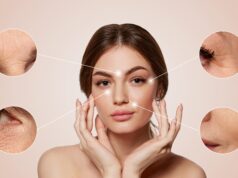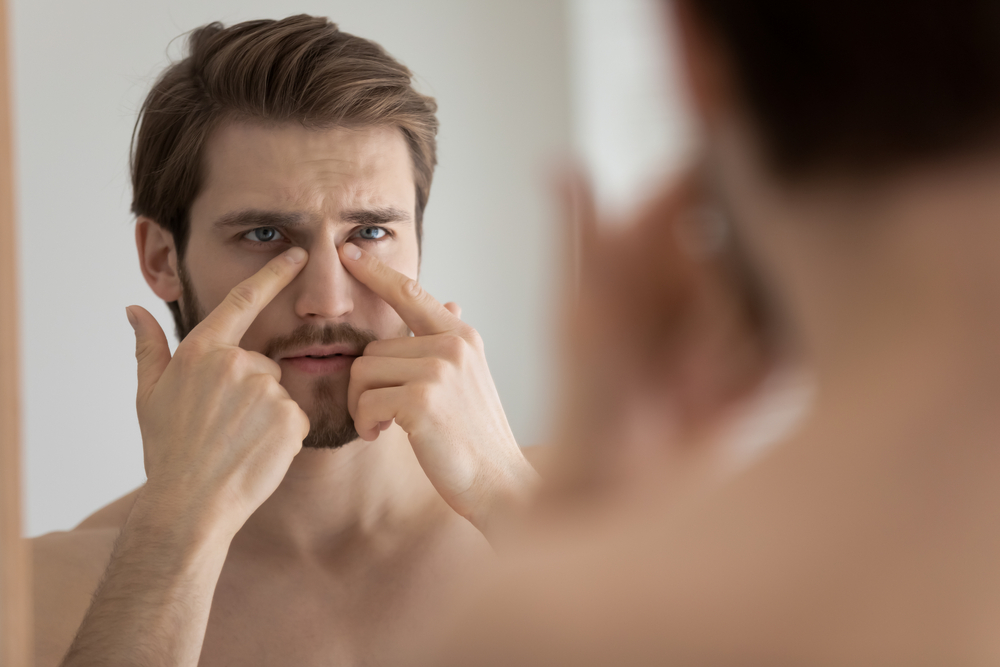

The concept of the skin barrier has moved from dermatology textbooks into everyday beauty conversations. For years, the trend was to exfoliate, peel, and scrub in pursuit of an endless glow. However, clinics are now seeing a surge in clients dealing with the aftermath: the compromised barrier. Understanding the science behind this protective layer is the first step toward restoring skin health.
The Role of the Stratum Corneum
Your skin barrier—scientifically known as the stratum corneum—is the outermost layer of the epidermis. Think of it as a brick-and-mortar wall. The “bricks” are skin cells, and the “mortar” consists of lipids, ceramides, and fatty acids.
When this wall is intact, it locks in moisture and keeps irritants out. But when it degrades, microscopic cracks form. Moisture escapes, and irritants penetrate deeper layers of the skin. This is what professionals call a compromised barrier.
Why Barriers Break Down
The most common culprit is over-enthusiastic skincare: harsh acids, strong exfoliants, and excessive use of retinoids. These strip away the essential oils that maintain barrier integrity. Environmental stressors—UV exposure, pollution, and dry winter air—amplify the damage.
You may have a compromised barrier if you experience:
- Persistent redness or inflammation
- A stinging sensation when applying gentle products
- Dry, flaky, or rough patches
- Sudden sensitivity or breakouts
Clinical Interventions for Repair
Clinics today are shifting away from aggressive resurfacing and toward restorative therapies designed to rebuild the barrier.
Barrier-Repair Facials
Many clinics now prioritise Hydrating Facials and infusion-based treatments over exfoliation. These therapies deliver ceramides, squalane, and hyaluronic acid deep into the skin using modern devices such as ultrasound or microcurrent.
These treatments replenish lost moisture and lipids, helping the barrier rebuild more quickly.
LED Light Therapy
Red LED therapy has become one of the safest and most effective ways to soothe inflammation. The light energy triggers cellular repair mechanisms and reduces inflammatory signalling—making it ideal for compromised or sensitised skin that cannot tolerate actives or friction-based treatments.
Personalised Skincare Regimens
A growing number of clinics now offer professional routine overhauls as part of their service. A curated skin care and beauty routine focuses on pH-balanced cleansers, ceramide-rich moisturizers, and gentle hydrating serums.
Many clients are advised to pause strong actives temporarily—a “skincare fast”—to allow the skin to reset.
Clinics may also incorporate targeted boosters such as Skin Boosters or Polynucleotides when deeper repair is needed. These regenerative injectables help restore hydration and support the skin’s natural healing processes.
To support collagen renewal once the barrier is stable, some clinics introduce gentler modalities like Microneedling in later stages—always timed carefully to avoid worsening inflammation.
Maintaining Barrier Health
Protecting your barrier is far easier than repairing it. Key habits include:
- Prioritising hydration
- Avoiding hot water when cleansing
- Introducing active ingredients slowly
- Using daily Sun Screen
- Avoiding over-exfoliation
- Choosing barrier-supportive ingredients
When your skin feels tight, red, or reactive, it’s asking for rest. By pairing professional care—such as Facials and Peels selected for your skin type—with a gentle at-home routine, you can restore your barrier and maintain long-term skin resilience.