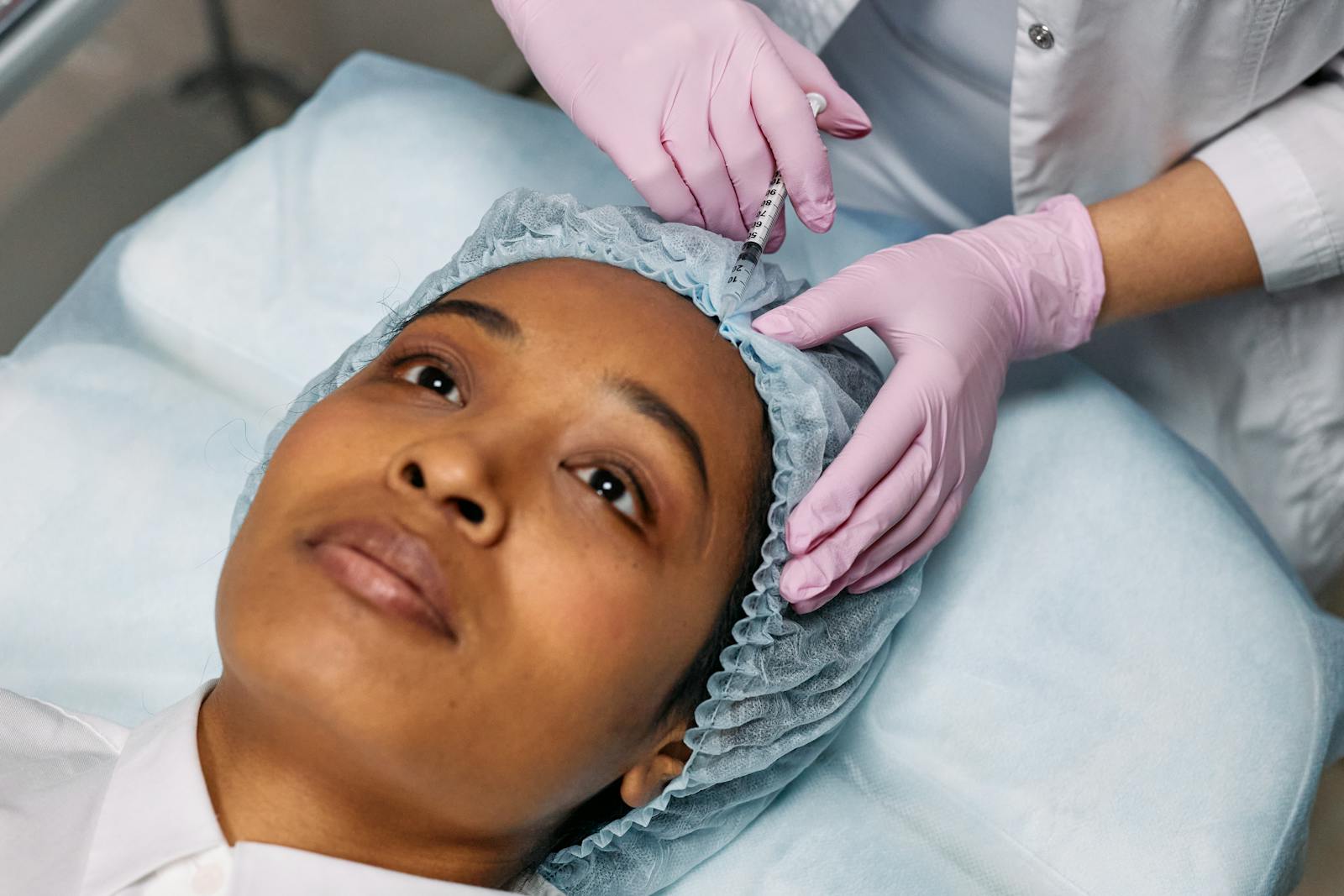
A quiet revolution is taking place in aesthetic medicine. For decades, the industry focused on “fixing” signs of aging—filling lines or freezing muscles. Today, the focus is shifting toward “healing.” This new frontier, known as regenerative beauty, uses the body’s own biological powers to repair tissues, reverse damage, and restore a youthful glow from the inside out.
Rather than just masking imperfections, these advanced non-surgical cosmetic treatments aim to biologically reverse the clock. Let’s explore the science behind the three biggest players in this field: PRP, Exosomes, and Polynucleotides.
PRP: The Original Bio-Hack
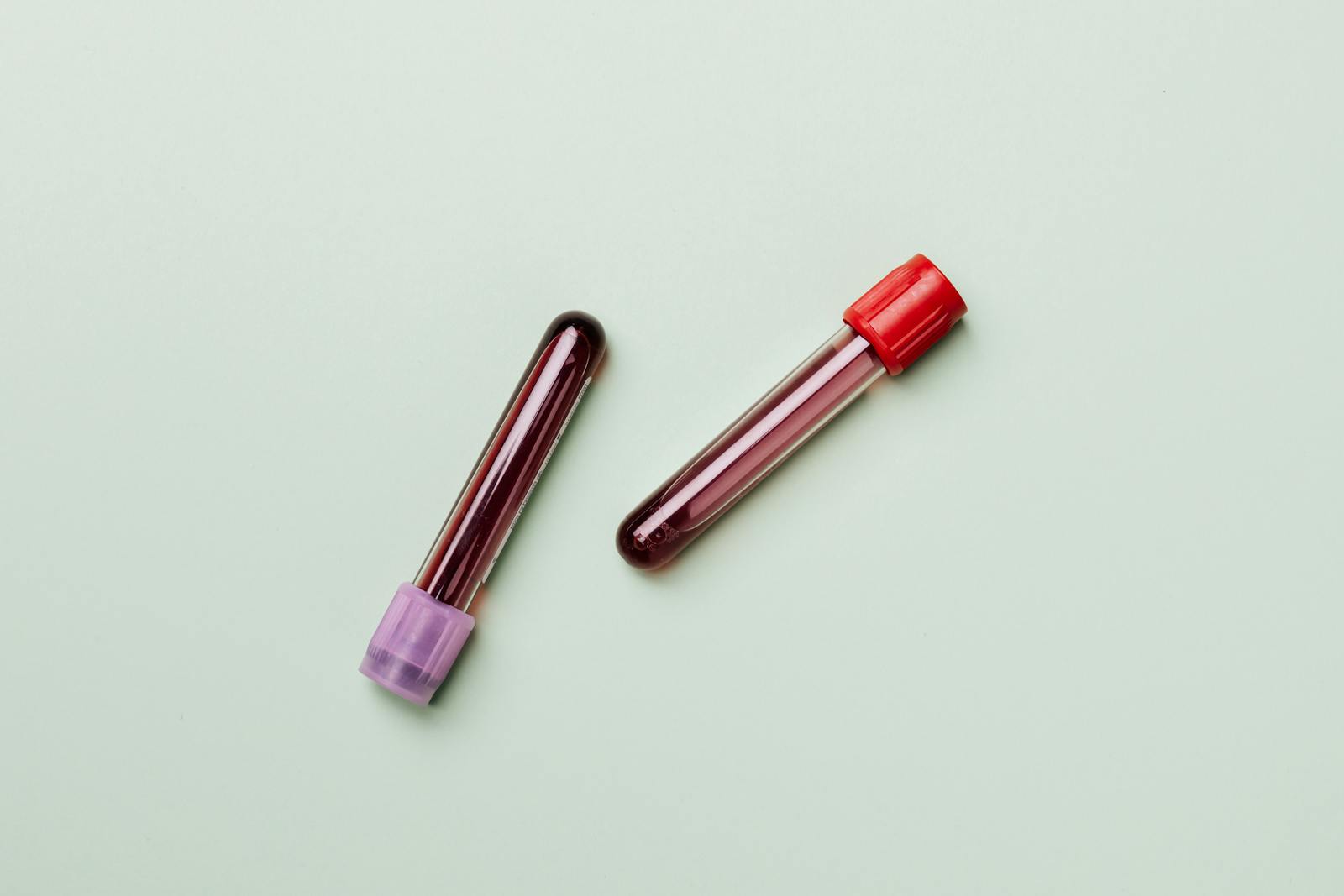
Platelet-Rich Plasma (PRP) was one of the first regenerative treatments to hit the mainstream. Often popularised as the Vampire Facial, PRP therapy involves drawing a small amount of your own blood, spinning it in a centrifuge to isolate the gold-hued plasma, and re-injecting it into the skin.
This plasma is packed with growth factors that jumpstart healing. It creates genuine skin rejuvenation by improving blood supply and stimulating tissue repair. It isn’t limited to the face, either; PRP for hair thinning is a leading hair loss treatment that wakes up dormant follicles to encourage new growth.
Exosomes: The Cell Messengers
If PRP is 1.0, Exosomes are the 2.0 upgrade. Exosomes / Puresomes are not cells themselves; they are nano-sized messenger vesicles released by cells. Think of them as emails sent between cells, carrying instructions for repair and regeneration.
In aesthetic treatments, we use highly concentrated, lab-derived exosomes. When applied to the skin, they deliver a potent signal to your aging cells, telling them to act young again. They are incredibly powerful at reducing inflammation and speeding up recovery time, which is why they are often applied after microneedling or lasers. They significantly boost collagen production and elastin levels—some studies suggest far more effectively than PRP alone.
Polynucleotides: The DNA Repair Team
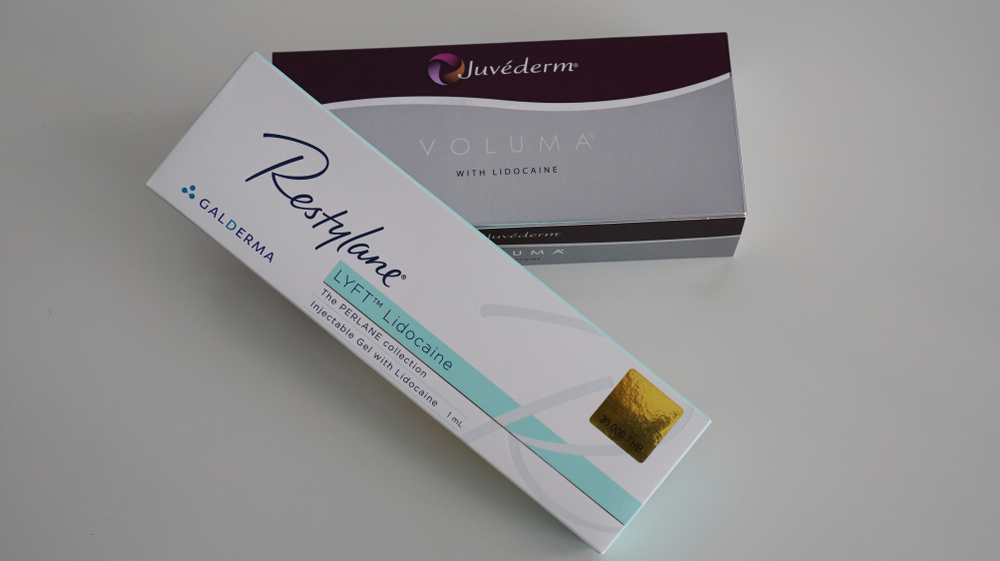
Another exciting advancement is the rise of polynucleotides. Derived from salmon DNA, these injectables act as scaffolds for skin repair. Unlike fillers which add volume, polynucleotides work at a cellular level to improve the environment your cells live in.
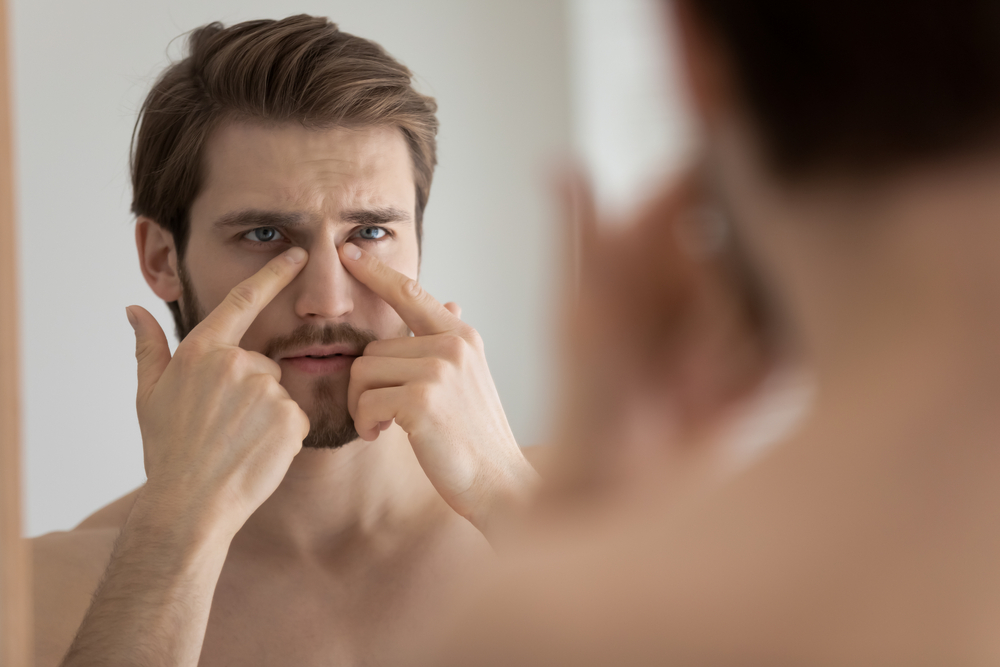
They are essentially food for your fibroblasts (the cells that make collagen). By neutralizing free radicals and hydrating the skin matrix, they improve elasticity and thickness over time. They are particularly excellent for delicate areas like the under-eyes and neck.
The Delivery Method Matters
These regenerative serums are powerful, but they need to penetrate the skin barrier to work. This is why they are frequently paired with microneedling or 3D Radiofrequency Microneedling. The needles create tiny channels that allow the PRP or exosomes to seep deep into the dermis where they can be most effective.
The Future is Regenerative
Regenerative beauty represents a shift from artificial enhancements to natural restoration. It requires patience, as you are waiting for your body to build new tissue, but the results are undeniably natural and long-lasting. To see if you are a candidate for these cutting-edge therapies, consult a qualified cosmetic doctor at an aesthetic clinic near me. By harnessing your body’s own potential, you can achieve a radiant, healthy complexion that stands the test of time.