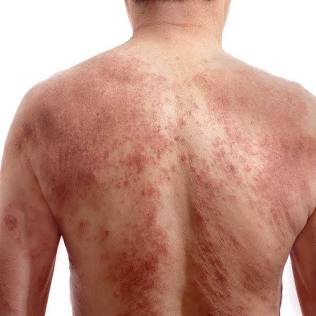
Red Skin Syndrome (RSS) is a condition triggered by prolonged topical steroid use, where the skin becomes dependent on the medication and reacts severely when it is reduced or stopped. Key warning signs include burning rather than itching, redness that spreads beyond the original affected area, and a worsening rebound cycle each time steroids are applied.
Persistent redness, relentless flaring, and a creams that keeps stopping working — for many people managing eczema, this pattern becomes all too familiar. But when the flare no longer responds the way it used to, it raises an important question: is this still eczema, or has something else taken over?
What Is Red Skin Syndrome?
Red Skin Syndrome — also known as topical steroid withdrawal (TSW) or topical steroid addiction — describes a constellation of symptoms that can emerge when topical corticosteroids are reduced or stopped after prolonged use. According to the National Eczema Association, TSW is more commonly seen in adult women who apply mid- or high-potency topical corticosteroids to the face or genital region, and appears to be associated with sustained daily use without tapering or periodic breaks.
The mechanism is not fully understood, but one leading hypothesis points to a rebound effect: the sudden absence of topical steroids triggers elevated nitric oxide levels and exaggerated vasodilation of the skin’s blood vessels, producing the intense redness that gives the condition its name.
What Are the Warning Signs That a Flare Might Be Steroid Dependency?
The line between a genuine eczema flare and TSW can be difficult to identify. Three key signals are worth watching for.
Burning Rather Than Itching
Eczema is characteristically itchy. TSW tends to present differently — with burning, stinging, or outright pain rather than the familiar urge to scratch. Dr Peter Lio, Clinical Assistant Professor of Dermatology and Paediatrics at Northwestern University, identifies this shift as one of the most telling early indicators.
Redness That Spreads Beyond the Original Patch
Eczema tends to appear in patches. TSW, by contrast, can produce confluent, diffuse redness — sometimes described as a “red sleeve” pattern across the arms or legs — often accompanied by swelling. If redness is spreading to areas that were never previously affected or treated, that is a meaningful warning sign.
The Rebound Cycle
The clearest red flag may be the pattern itself: symptoms settling briefly with steroid application, then returning worse than before. This escalating cycle — needing more product, more frequently, with diminishing results — is characteristic of steroid dependency rather than an underlying inflammatory condition.
Why It Happens: A Quick Look at Topical Steroid Withdrawal
Topical corticosteroids have been used to treat eczema for over 50 years and remain among the most effective options available. Most people use them without issue. TSW appears to be associated specifically with prolonged, daily use — particularly of medium to high potency formulations on sensitive areas — without adequate breaks or tapering. Recovery often takes longer than three months, and for some, the process extends considerably further.
Related reading: Beyond the Cream: Why TSW is Dominating Patient Support Groups
When to Seek Professional Support
If any of the warning signs above feel familiar, a consultation with a dermatologist or specialist clinician is the appropriate next step. TSW does not yet have universally agreed diagnostic criteria, which can make it challenging to identify — but the pattern of symptoms, treatment history, and physical presentation together provide important clinical information.
Chronic redness that persists well beyond an acute flare may also point toward rosacea treatment needs rather than eczema management. A clinician can help determine whether vascular involvement warrants a different approach, including assessment for laser treatment for rosacea or other targeted interventions.
Rebuilding the Skin Barrier After RSS
Once acute symptoms have resolved, the focus shifts to supporting long-term skin health. The skin barrier will have been significantly compromised, and gentle, consistent care is essential during this phase.
A structured medical-grade skincare routine — developed with clinical input — is a sensible starting point. Hydrating facials and prescription-grade facials can support skin recovery without triggering further sensitivity. Sunscreen and sun protection are non-negotiable: compromised skin is far more vulnerable to UV damage, and daily SPF use should be treated as a clinical requirement, not an optional step.
As the skin stabilises, a range of in-clinic treatments may be considered under professional guidance. These include polynucleotides, skin boosters, microneedling, exosomes and puresomes, and PRP therapy. For residual pigmentation or persistent vascular redness following TSW, options such as vascular laser treatment, no downtime laser skin treatment, and laser for skin of colour may be appropriate — always under clinical supervision and only once the skin has fully settled.