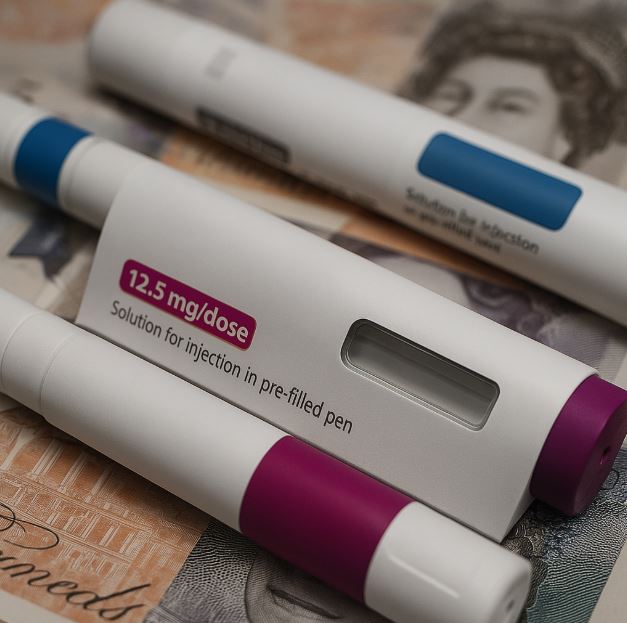
A sudden price increase is about to hit one of the most in-demand weight-loss and diabetes treatments in the UK. Eli Lilly, the manufacturer of Mounjaro (tirzepatide), will raise the private list price of its highest-dose injection from £122 to £330 per month from 1 September 2025 — a jump of up to 170%. For hundreds of thousands of private users, the change could have a dramatic impact on affordability and access.
What is Mounjaro?
Mounjaro is a once-weekly injectable treatment originally developed for type 2 diabetes, later approved for weight management in adults with obesity or related health conditions. Its active ingredient, tirzepatide, works by mimicking natural hormones that regulate blood sugar and appetite. The drug’s effectiveness in supporting significant weight loss has made it one of the fastest-growing medications in the private health market.
Who Will Be Affected
NHS patients will not face the increase. The drug will remain available to eligible NHS users at previously agreed prices through national procurement contracts. Private patients — estimated between several hundred thousand and over a million — will be the ones to absorb the full rise. Many of these patients self-fund prescriptions either because they do not meet NHS criteria or because they seek faster access than current NHS supply constraints allow.
Why the Price is Rising
The timing of the increase follows international political developments. In the United States, former president Donald Trump has pushed a “Most Favoured Nation” approach to drug pricing, which pressures pharmaceutical companies to align US costs with the lowest prices available in comparable countries. To avoid potential financial penalties in the US market, companies like Eli Lilly are reviewing — and in some cases raising — prices in other countries to narrow the gap.
While Eli Lilly has not publicly confirmed that this policy is the direct reason for the UK price change, industry analysts see the link as clear. Aligning international list prices could give the company greater leverage in negotiations with US authorities while maintaining its profit margins in other regions.
The Risks of a Steep Increase
The most immediate concern is patient continuity. A sudden cost jump may push some private patients to stop treatment abruptly, which could lead to weight regain or the return of unmanaged diabetes symptoms. Others may turn to cheaper alternatives such as Novo Nordisk’s Wegovy — assuming supply is available.
A more worrying outcome is the possibility of increased demand for unregulated black-market supplies, where the risks of contamination, incorrect dosing, or counterfeit products are high.
Expert Perspectives
Pharmacists and clinicians have expressed surprise at the scale of the rise, warning that it could destabilise patient care. They advise current Mounjaro users to speak with prescribers now to explore their options, whether that means securing prescriptions ahead of the price change, transitioning to alternative treatments, or preparing for the financial impact.
Eli Lilly has stated that the list price does not necessarily reflect the final cost to patients, as pharmacies and private providers may negotiate discounts. However, without transparent pricing, the actual effect on individuals remains unclear.
Looking Ahead
The Mounjaro price increase is part of a larger conversation about how global drug pricing policies affect patient access. If political and commercial pressures continue to drive list prices higher in some countries, patients who rely on private prescriptions could find themselves increasingly vulnerable to sudden cost changes.
For now, the priority for affected patients is to plan ahead. Whether through early refills, alternative medication, or a shift to NHS provision where possible, preparation could help avoid treatment interruptions.