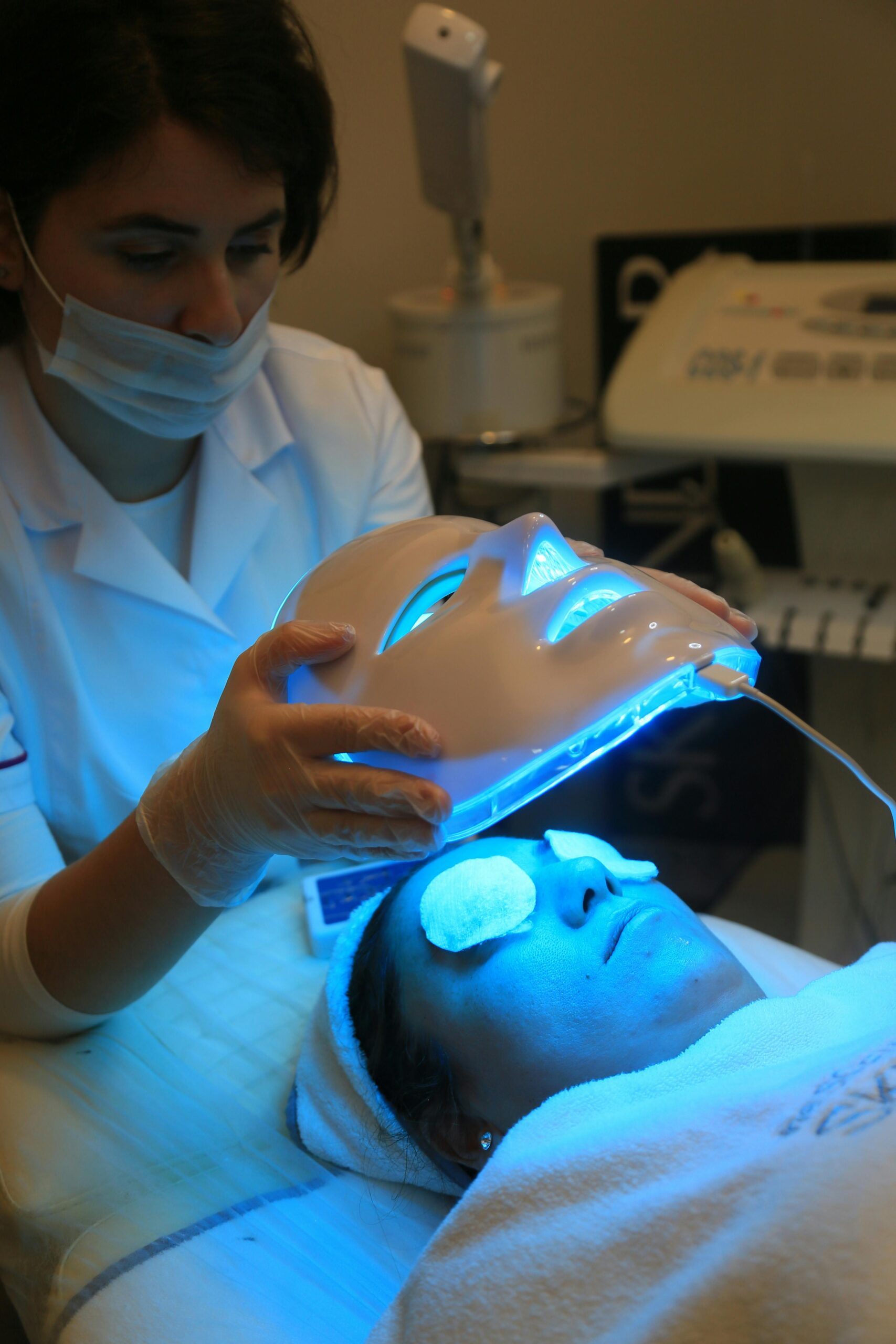
Just a few years ago, looking like a glowing stormtrooper was something reserved for high-end dermatologist offices. Now, scrolling through social media in 2025 means seeing influencers and friends alike sporting futuristic masks while watching Netflix. Light Emitting Diode (LED) therapy has officially graduated from a clinical novelty to a staple in modern skincare routines.
But beyond the sci-fi aesthetic, does it actually work? The answer is a resounding yes. As technology advances, LED therapy is becoming smarter, stronger, and more accessible than ever before. Let’s break down exactly why this non-invasive treatment is going to be the glow-up hero of 2026.
The Science of Light: How It Works
LED therapy isn’t magic; it’s biology. It works on the principle that light energy, when applied at specific wavelengths, can stimulate cellular processes. Think of it like photosynthesis for your skin. Your skin cells have receptors that absorb light energy, which kickstarts the production of adenosine triphosphate (ATP)—the fuel your cells need to function.
In 2025, advancements in LED technology refined the wavelengths. Devices now offer more precise penetration depths, ensuring that the light reaches the exact layer of the skin needed to trigger repair, reduce inflammation, or kill bacteria without generating damaging heat.
Decoding the Colour Spectrum
Not all light is created equal. Different colours correspond to different wavelengths, each targeting a specific skin concern. Here is your cheat sheet for the 2026 spectrum:
Red Light: The Anti-Aging Powerhouse
Red light (around 630-660 nm) is the most popular choice for a reason. It penetrates deep into the dermis to stimulate fibroblasts, the cells responsible for collagen production.
Best for: Fine lines, wrinkles, and general skin rejuvenation.
2026 Update: New devices often pair red light with Near-Infrared (NIR) light to reduce inflammation and accelerate wound healing simultaneously.
Blue Light: The Acne Assassin
Blue light (around 415 nm) targets the oil glands and kills Cutibacterium acnes, the bacteria responsible for breakouts. It’s a game-changer for those who want to treat acne without harsh chemicals.
Best for: Active breakouts, oily skin, and preventing future pimples.
Green Light: The Tone Corrector
Green light targets melanocytes, the cells that produce pigment. It inhibits excess melanin production, helping to break up clusters of pigment on the skin’s surface.
Best for: Hyperpigmentation, sun spots, and brightening dull complexions.
Yellow/Amber Light: The Sensitive Skin Savior
Yellow light has a shallow penetration depth but is incredibly soothing. It stimulates the lymphatic system, helping to flush out toxins and reduce redness.
Best for: Rosacea Treatment, sensitive skin, and reducing swelling or redness after more intense treatments like microneedling.
The Future is Accessible
The biggest shift we are seeing in 2026 is accessibility. Professional in-clinic treatments are now more powerful, often utilising “tri-wave” technology to deliver three wavelengths simultaneously for a multi-tasking facial.
Simultaneously, the at-home device market has matured. We aren’t just seeing weak LED masks anymore. Today’s consumer devices are FDA-cleared and boast clinical-grade output, allowing you to maintain professional results from your couch.
Whether you are looking to turn back the clock or banish breakouts, LED therapy offers a painless, proven solution. It is the perfect example of how high-tech beauty can be both effective and effortless.