Gone are the days of guessing your skin type or relying on influencer recommendations that may or may not work for you. With the rise of Artificial Intelligence (AI) in the world of aesthetic medicine, skincare is becoming more precise, personalised, and effective than ever before.
AI is no longer just about writing emails or generating images—it’s now a game-changer in beauty treatments and dermatology. By analysing thousands of data points in seconds, AI is transforming how we diagnose skin issues and create tailored treatment plans. Let’s dive into how this technology is reshaping the future of skincare.
The End of Guesswork in Skin Analysis
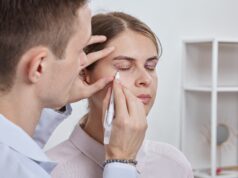
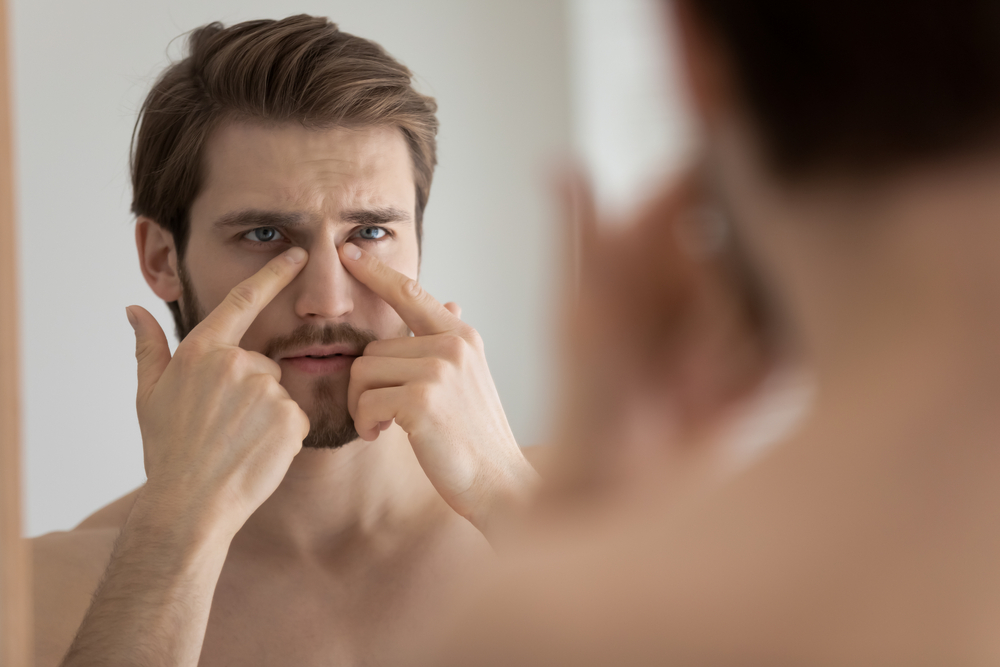
For decades, skin analysis relied on subjective assessments. Practitioners would examine your skin under a magnifying lamp and make educated guesses based on their experience. While human expertise is invaluable, it has its limits. The human eye can’t see beneath the skin’s surface or measure the exact depth of a wrinkle.
AI changes everything.
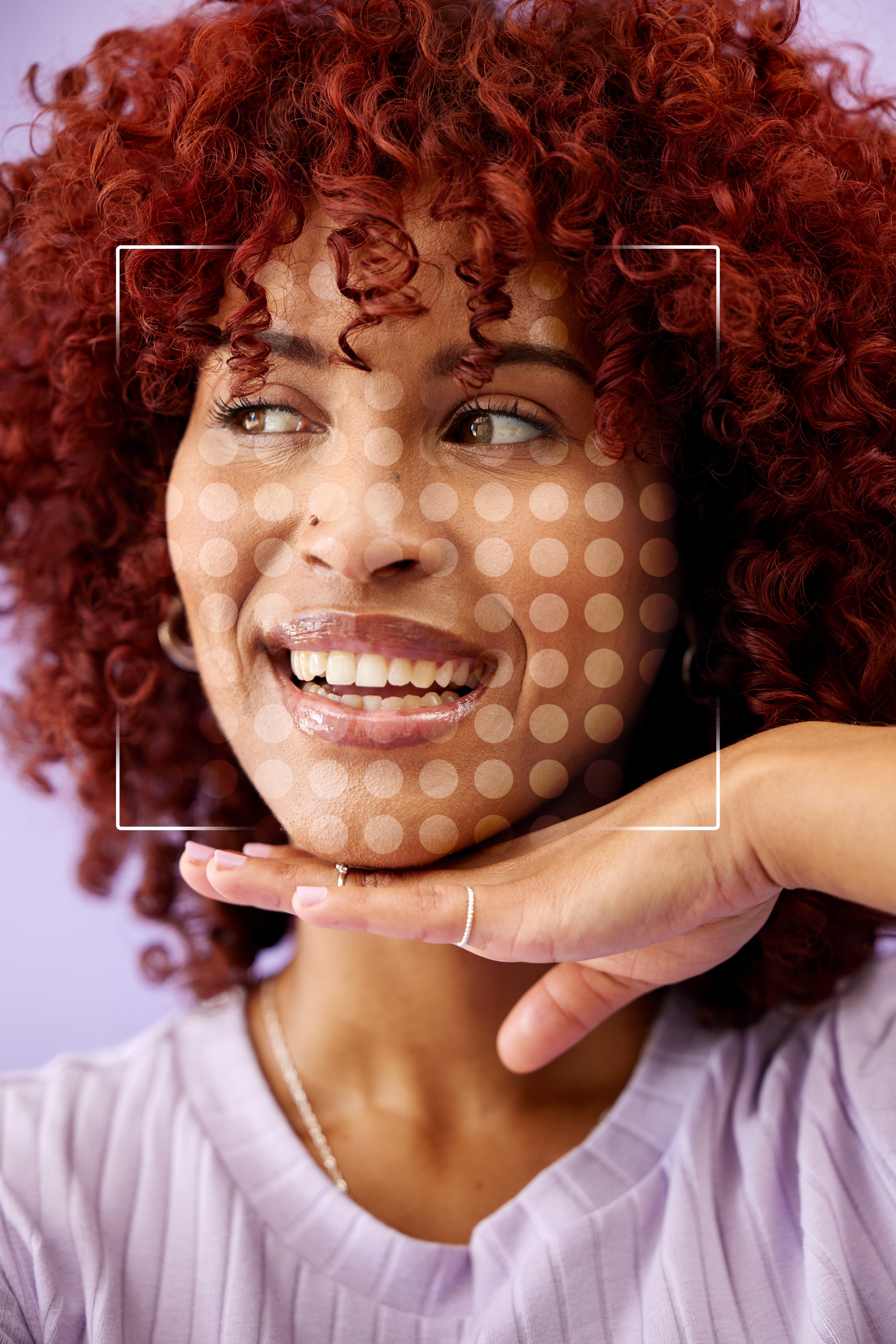
Modern diagnostic tools use high-resolution imaging and machine learning algorithms trained on millions of skin images. These systems can detect issues invisible to the naked eye, such as:
- UV Damage: Identifying sun damage beneath the surface before it becomes visible.
- Vascularity: Mapping redness and broken capillaries, often linked to rosacea treatment.
- Texture Analysis: Measuring pore size and skin smoothness to track improvements over time.
By removing subjectivity, AI provides data-driven diagnoses, ensuring more accurate and effective treatments.
How AI Personalises Your Skincare Routine
One of the biggest frustrations in skincare is the “one-size-fits-all” approach. A product that works wonders for someone else might wreak havoc on your skin. AI solves this by treating your skin as a unique data set.
Tailored Product Recommendations
AI platforms can analyse a selfie or clinical scan to recommend specific ingredients. For example, if your skin shows signs of dehydration but also high oil production, AI might suggest a hyaluronic acid serum paired with a lightweight gel moisturizer. This level of precision eliminates the trial-and-error process.
Precision Treatment Plans
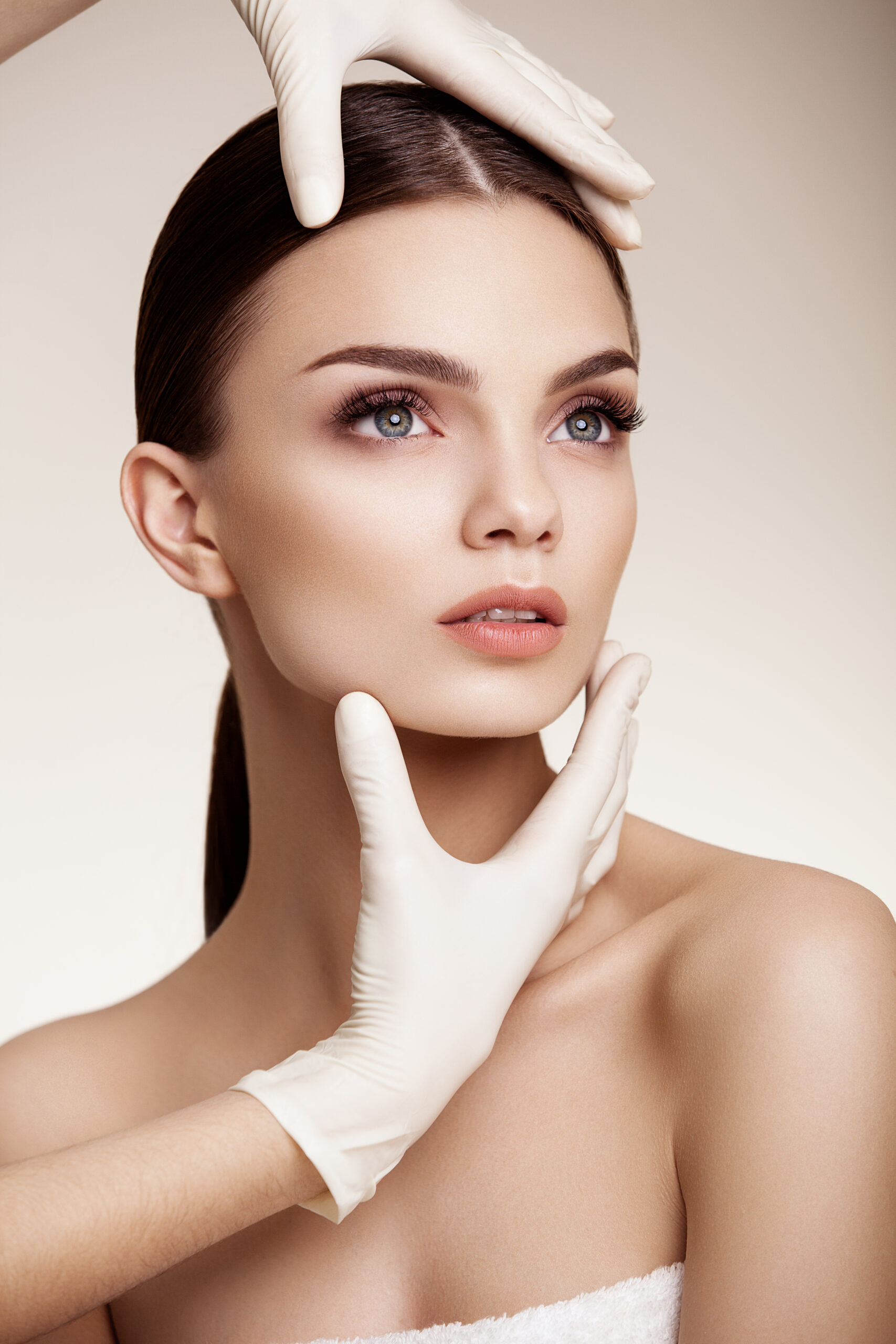
For aesthetic practitioners, AI is a powerful assistant. Tools can simulate potential results before you commit to treatments like laser skin resurfacing or Botox injections. This not only manages expectations but also ensures the treatment plan aligns perfectly with your goals.
Benefits for Practitioners and Patients
The integration of AI offers tangible benefits for both sides of the treatment chair.
For Practitioners: Efficiency and Trust
AI tools can generate comprehensive skin reports in under a minute, freeing up time for practitioners to focus on patient education. Additionally, data builds trust. When a practitioner shows you a heat map of your inflammation or a graph of your wrinkle depth, the diagnosis feels concrete and validated.
For Patients: Validation and Progress Tracking
AI provides objective “before and after” metrics, such as a percentage decrease in pigmentation or an increase in skin elasticity. This turns skincare from a vague hope into a measurable science, making it easier to see the value of your investment.
AI Tools in Action
Several technologies are leading the charge in AI-driven skincare:
- Clinical Imaging Systems: These devices use multi-spectral imaging to measure spots, wrinkles, texture, pores, and more. They even calculate your “Skin Age” compared to others in your demographic.
- Mobile Diagnostic Apps: Many brands now offer AI-powered apps where you can upload a selfie for personalized product recommendations.
- Smart Mirrors: These devices analyze your skin daily, tracking hydration, sleep quality, and more.
The Future: Predictive Aesthetics
We’re only scratching the surface of what AI can do. The next frontier is predictive aesthetics. Imagine a system that predicts how your skin will age over the next decade based on your genetics, lifestyle, and current condition. AI could warn you about potential issues like melasma years before they appear, allowing for preventative care.
Dynamic treatment adjustments are also on the horizon. Smart devices could send real-time data to your dermatologist, enabling them to tweak your prescription remotely if your skin isn’t responding as expected.
Conclusion
AI is transforming skincare from an art into a precision science. It empowers practitioners with better data and gives patients the personalized results they crave. While technology will never replace the warmth and expertise of a skilled human provider, it’s quickly becoming an indispensable tool in the world of aesthetic medicine.
If you haven’t experienced an AI-driven skin analysis yet, ask for one at your next appointment. It might just change the way you see your skin—and your skincare routine—forever.