In 2026, the conversation around aesthetic medicine has evolved beyond simply smoothing wrinkles or adding volume. We are witnessing a fascinating shift toward “emotion management”—the art of using subtle injectable tweaks to influence how our face communicates with the world. It is no longer just about looking younger; it is about ensuring your face accurately reflects how you feel inside.
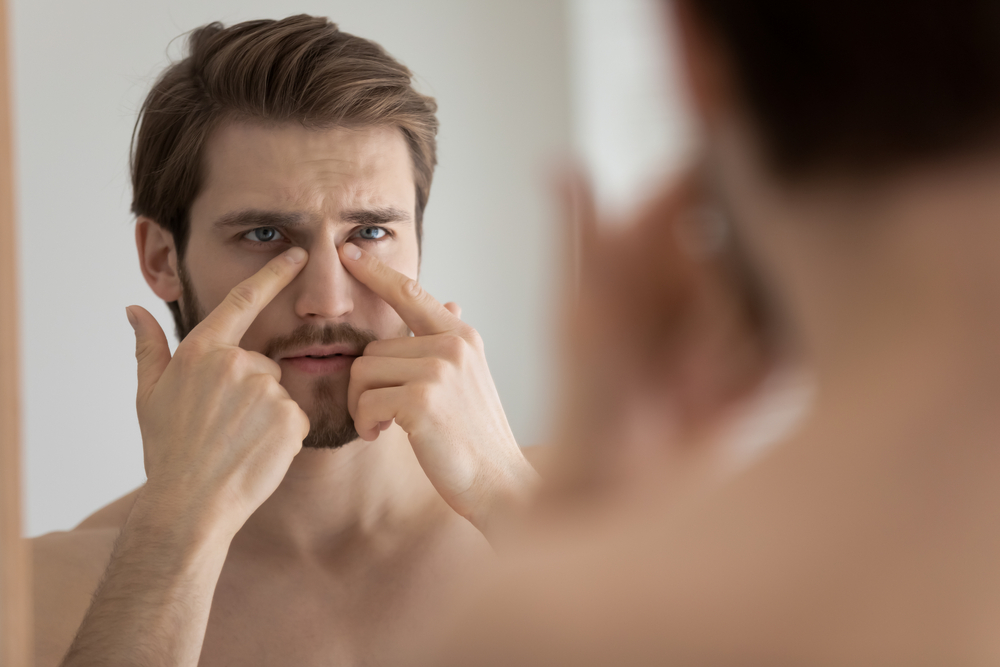
Have you ever been asked, “Are you angry?” when you were perfectly calm? Or told you look tired after a full night’s sleep? These are examples of “negative facial signalling.” As we age, gravity and repetitive muscle movements can pull our features downward, creating permanent expressions of sadness, fatigue, or sternness. The goal of modern injectable treatments is to neutralize these unintentional signals.
The Science of “Happy Face” Tweaks
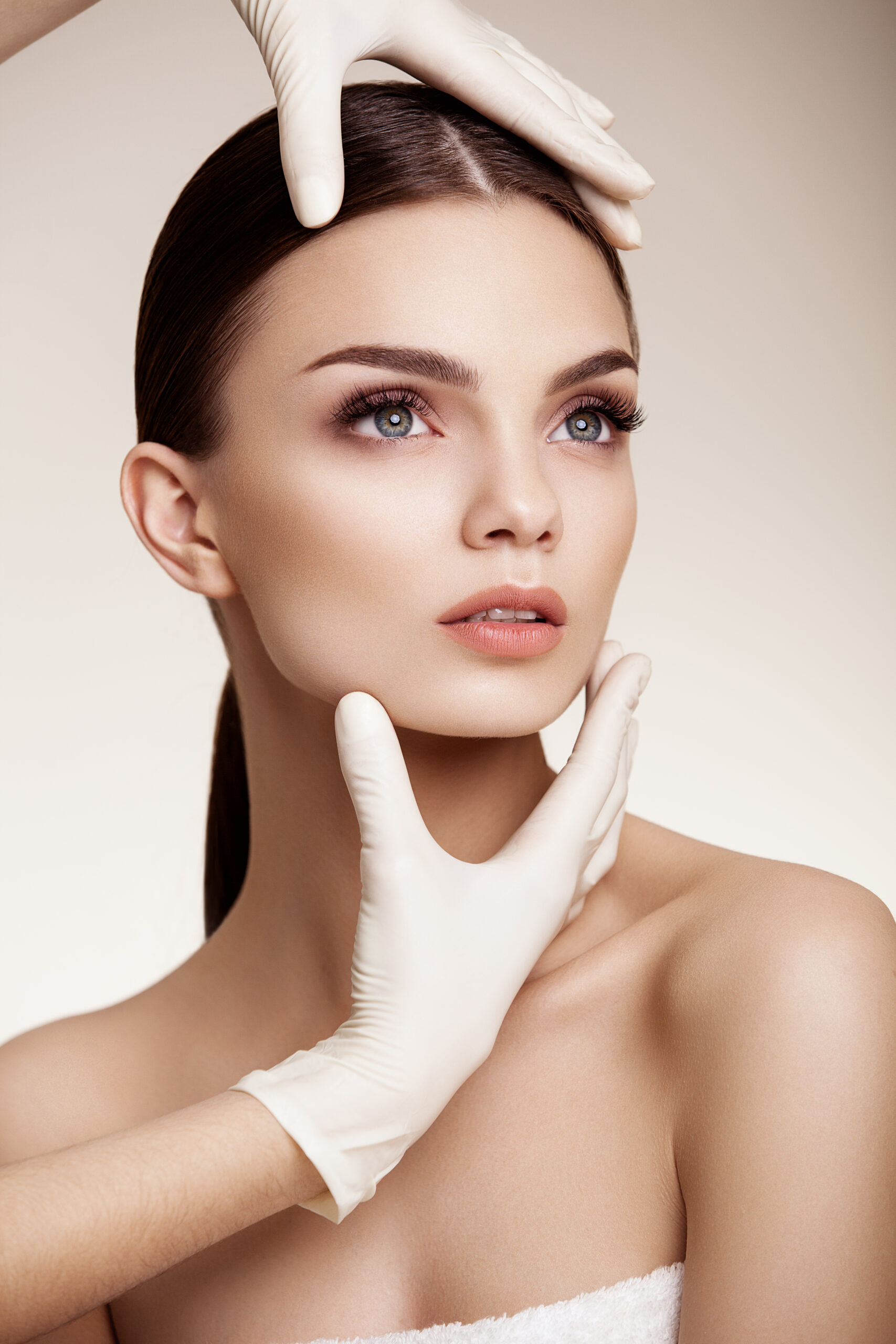
The most common application of this technique involves neuromodulators like Botox. Traditionally used to freeze muscles, Anti-Aging Injections are now administered with incredible precision to adjust the balance between lifting and depressing muscles.
For example, strong frown lines between the eyebrows (the “11s”) can make a person appear constantly annoyed or intense. By relaxing these specific muscles, a practitioner can soften the entire upper face, making the individual appear more approachable and relaxed. This isn’t just a Wrinkle reduction treatment; it is an attitude adjustment for your face.
Similarly, the corners of the mouth often turn downward over time, creating a permanent “sad” look. Strategic injections can relax the muscles pulling the corners down, allowing them to lift slightly back to a neutral position. This subtle change can transform a “grumpy” resting face into a pleasant one.
Softening the Edges Without Losing You
The fear of looking “frozen” is a relic of the past. In 2026, the priority is maintaining natural movement. Safe Botox injections are about modulation, not paralysis. You should still be able to express surprise, joy, and concern—just without the deep, etched lines that exaggerate those emotions.
An effective Fine lines treatment smooths the skin canvas so that your expressions look fresh rather than weathered. It’s about softening the “edges” of your expression so that you look friendlier and more open.
Structural Support for Positive Expressions
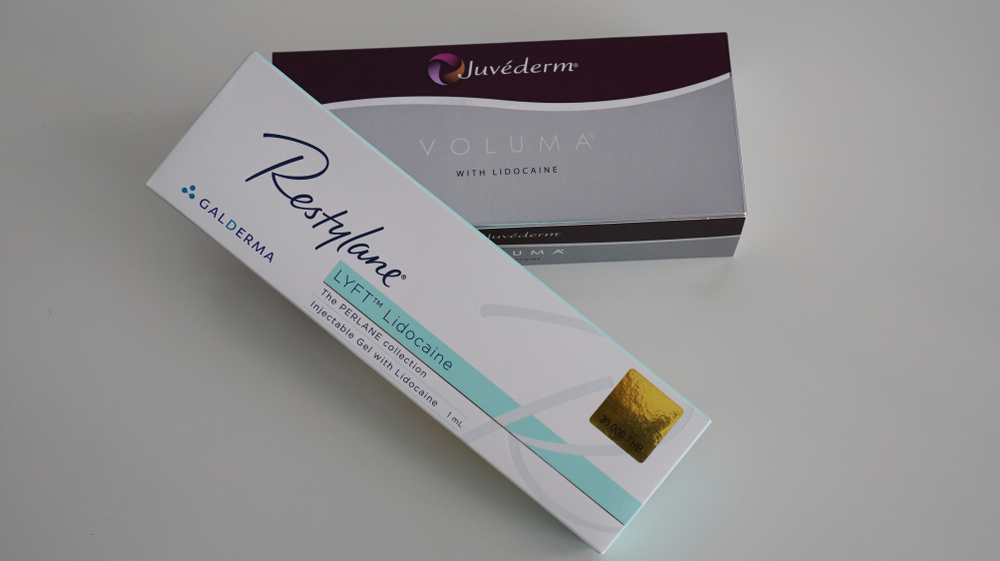
Sometimes, the issue isn’t muscle movement but a lack of structural support. As we lose volume in the cheeks and mid-face, the skin sags, contributing to a tired or heavy appearance. A Liquid Facelift can restore this lost support. By strategically placing fillers, practitioners can lift the tissues that cause “marionette lines” (the lines running from the mouth to the chin), which are major contributors to a sad appearance.
These Non-surgical cosmetic treatments work in harmony. While relaxers handle the dynamic muscles, fillers provide the scaffolding to keep the face looking lifted and bright.
Conclusion
Emotion management through aesthetics is about authenticity. It ensures that when you feel happy, energetic, and calm, your face tells the same story. By making small, intelligent tweaks, we can align our outer appearance with our inner emotional state, presenting the best, most approachable version of ourselves to the world.