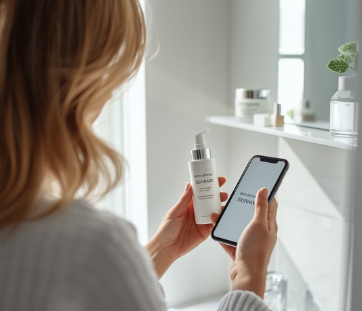
Ingredient-scanning apps have turned reading a product label into something closer to a health scare, with red flags appearing next to ingredients that have been used safely in cosmetics for decades. The anxiety this generates is real, but it’s often disproportionate to the actual risk — and it’s worth understanding the difference before overhauling an entire routine based on a single app’s rating.
Why These Apps Flag So Much
Many scanning apps work from broad hazard databases rather than dermatological or toxicological context specific to cosmetic use, meaning an ingredient can be flagged based on studies involving concentrations, exposure routes, or use cases entirely unlike how it appears in a facial serum. A flag isn’t the same thing as evidence of harm in the product actually in front of you.
Concentration and Context Matter More Than the App Suggests
Toxicology is built on the principle that dose determines risk, something these binary red-flag systems are poorly equipped to communicate. An ingredient safe at the concentration used in a leave-on moisturiser can look identical on paper to a much higher, genuinely riskier concentration used elsewhere entirely.
Where Genuine Caution Is Warranted
That’s not to dismiss all concern — known sensitisers, certain fragrance components, and ingredients with a documented allergy profile are worth taking seriously, particularly for anyone with reactive skin already relying on a considered Skin Care Routine. The issue is distinguishing evidence-based caution from blanket alarm.
A More Useful Approach Than Scanning
Rather than relying on an app’s traffic-light system, a patch test and a conversation with whoever is guiding your treatment plan — particularly around professional-strength products like those used alongside Chemical Peels or Hyaluronic Acid Products — gives far more relevant, individualised information than a generic database ever could.
A Better Question to Ask Than ‘Is This Safe?’
A more useful question than whether an ingredient is safe in the abstract is whether it’s appropriate for your specific skin, at the concentration it’s actually formulated at, given what else is already in your routine. That’s a question a scanning app fundamentally cannot answer, but a dermatologist, pharmacist, or aesthetic practitioner can, with far more nuance than a red-or-green rating ever could.
The Takeaway
For a more complete approach, it’s worth considering cheek filler, exosomes, RF microneedling, 3D radiofrequency microneedling and skin tightening alongside this treatment.
Ingredient anxiety fuelled by scanning apps is understandable but frequently overblown, since these tools rarely account for concentration, formulation, or individual skin context. A more measured approach — genuine caution where it’s warranted, scepticism of blanket red flags where it isn’t — serves skin far better than reflexively avoiding anything an app doesn’t like.