Most viral skincare trends fade quickly once the novelty wears off, but hypochlorous acid spray has stuck around for a genuine reason: it does something measurable rather than simply feeling nice. Originally used in wound care for its antimicrobial and anti-inflammatory properties, it’s now a fixture in skincare routines aimed at calming reactive, post-treatment, or irritated skin. It has quietly moved from hospital shelves to bathroom cabinets without losing the clinical backing that made it useful in the first place.
What Hypochlorous Acid Actually Does
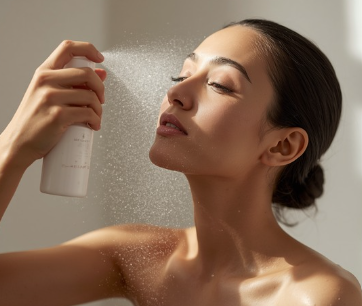
The compound is naturally produced by white blood cells as part of the body’s own immune response, which is part of why it’s considered gentle enough for compromised or sensitive skin. In skincare form, it’s typically used as a light mist that helps reduce surface bacteria and calm inflammation without the harshness associated with stronger actives.
Why It’s Become a Post-Treatment Staple
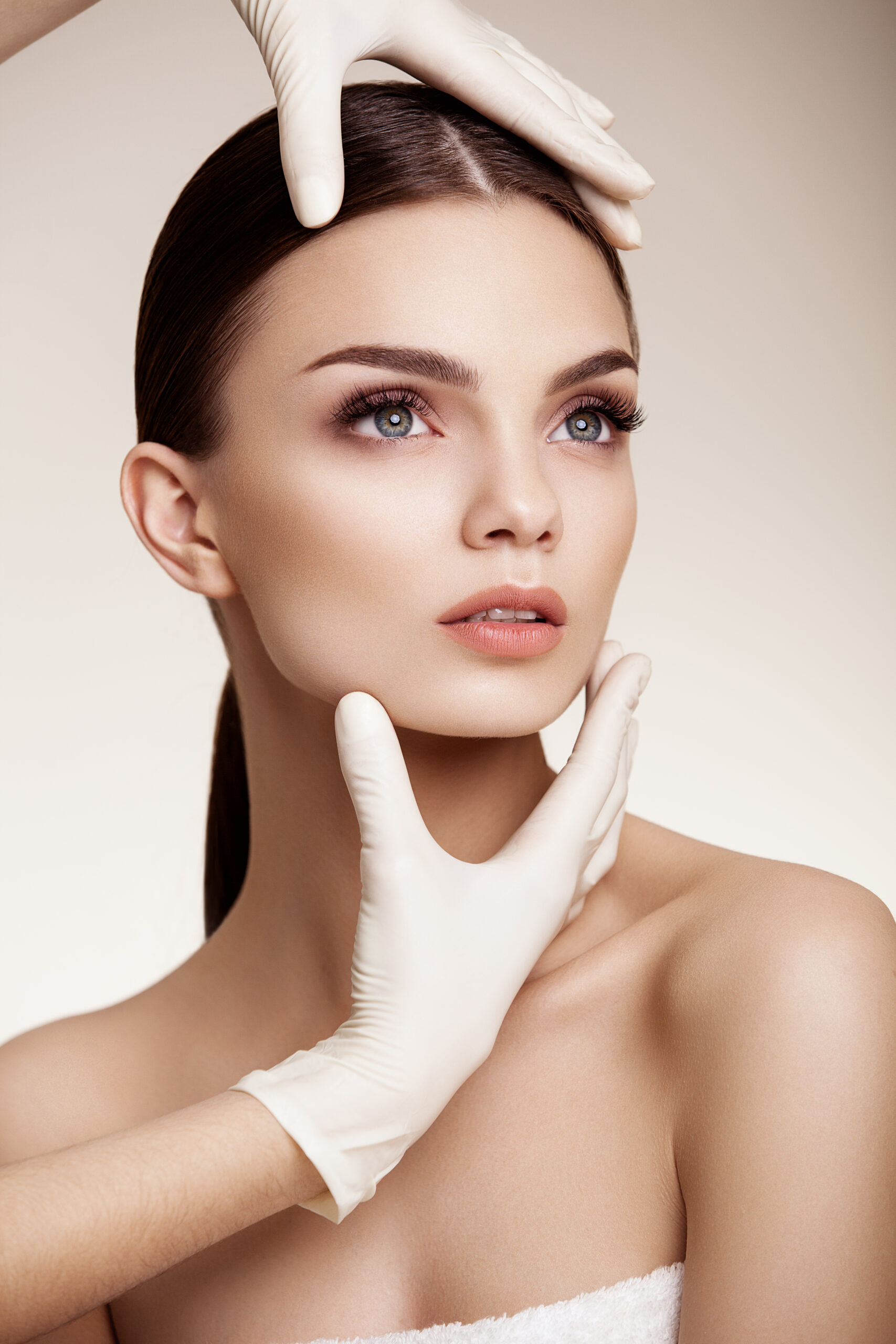
Many clinics now recommend hypochlorous acid spray as an aftercare step following Chemical Peels or other resurfacing treatments, precisely because freshly treated skin is more vulnerable to irritation and infection during its healing window. Its gentleness makes it one of the few actives suitable immediately after a procedure.
Where the Evidence Is Genuinely Strong
Unlike many viral ingredients riding on anecdote alone, hypochlorous acid has a reasonably solid clinical background in wound care and dermatology, which lends its skincare use more credibility than most trending actives receive. That said, it’s a supportive, calming step rather than a treatment capable of reversing damage on its own.
Fitting It Into a Broader Routine
It works best layered alongside, not instead of, the treatments actually addressing the underlying concern — whether that’s professional Facials and Peels or a consistent Skin Care Routine targeting specific skin goals. Think of it as a supportive layer rather than the main event.
What It Won’t Do
It’s worth being clear-eyed that hypochlorous acid won’t resurface skin, stimulate collagen, or address pigmentation the way active treatments are designed to — its role is calming and protective, not corrective. Expecting it to replace targeted treatment is where the trend’s enthusiasm occasionally outpaces what the ingredient can realistically deliver.
The Takeaway
Many clients combine this with other popular options such as liquid facelift, exosomes, RF microneedling and 3D radiofrequency microneedling, tailored to their individual goals.
Hypochlorous acid spray earns its viral status through genuine, well-evidenced calming properties rather than hype alone, which explains its staying power in both at-home routines and clinical aftercare protocols. It’s a useful addition, but its real value comes from what it’s paired with.