The world of aesthetic medicine is on the verge of its next great evolution, powered by artificial intelligence. In 2026, the art of injectables is merging with the precision of data, creating a new frontier in personalised treatments. AI-driven technology is moving from a futuristic concept to a practical tool in the hands of skilled injectors, promising results that are more predictable, customised, and natural than ever before.
This technological shift is revolutionising every step of the patient journey. From the initial consultation to the final outcome, AI is providing insights that were once impossible to obtain. It’s not about replacing the injector’s artistic eye but enhancing it with powerful analytical capabilities, leading to safer, more effective, and highly satisfying treatments.
The New Age of Consultation and Planning
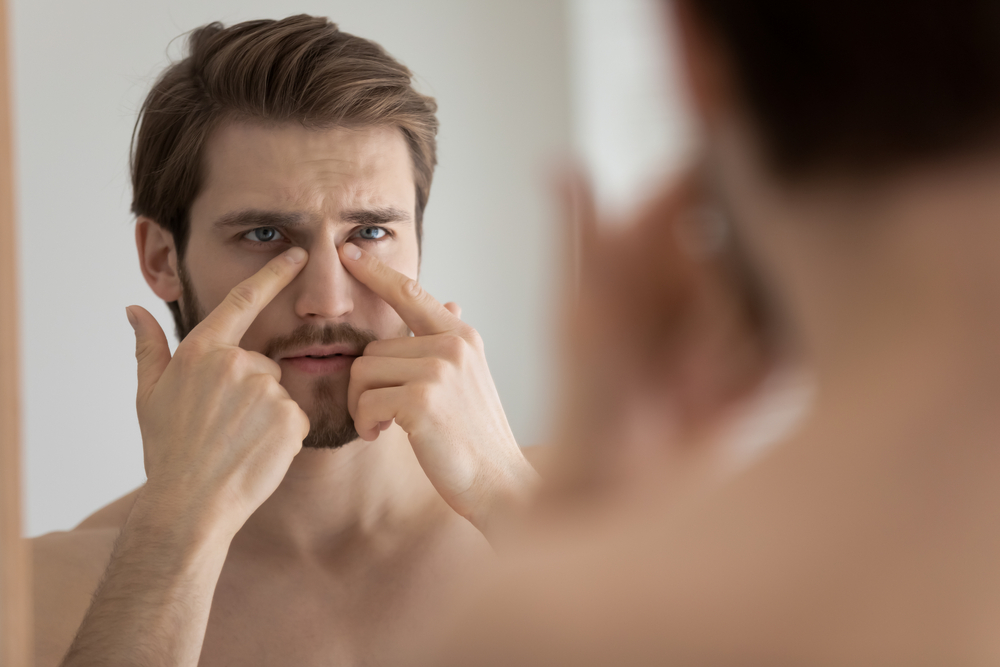
Gone are the days of relying solely on a mirror and verbal descriptions to plan a treatment. Advanced 3D imaging systems can now capture a detailed, multi-dimensional map of a patient’s face. This is where AI steps in. Facial analytics software processes these images, identifying subtle asymmetries, measuring volume loss with incredible accuracy, and analysing skin quality on a microscopic level.
This data-rich approach allows for unparalleled treatment planning. An injector can use simulation software to show a patient a realistic preview of their potential results. For example, you can see how a specific amount of filler in the cheeks will create a subtle lift or how relaxing a muscle with a neuromodulator like Botox will soften expression lines. This process demystifies the outcome, fosters clear communication, and ensures that both the patient and injector share the same vision.
Precision, Prediction, and Personalised Outcomes
One of the most exciting developments is the use of AI in outcome prediction. By analysing vast datasets of past treatments and patient outcomes, these models can help forecast how an individual’s face will respond to a particular product or technique. This helps injectors select the ideal filler density or injection depth for a specific goal, minimising risks and maximising results.
AI also enhances the precision of the treatment itself. Some systems offer real-time guidance during injections, helping to ensure symmetrical application and optimal product placement. Post-treatment, AI can be used to track progress and analyse results over time, allowing for fine-tuning during follow-up appointments and creating a long-term strategy for facial maintenance through carefully timed injectable treatments.
The integration of AI into aesthetics isn’t about creating a world of uniform beauty. Instead, it’s about empowering injectors to deliver truly personalised care. By harnessing the power of technology, the industry is moving toward a future where every treatment is perfectly tailored to the individual, celebrating unique features while delivering a refreshed, confident, and beautifully natural look.