
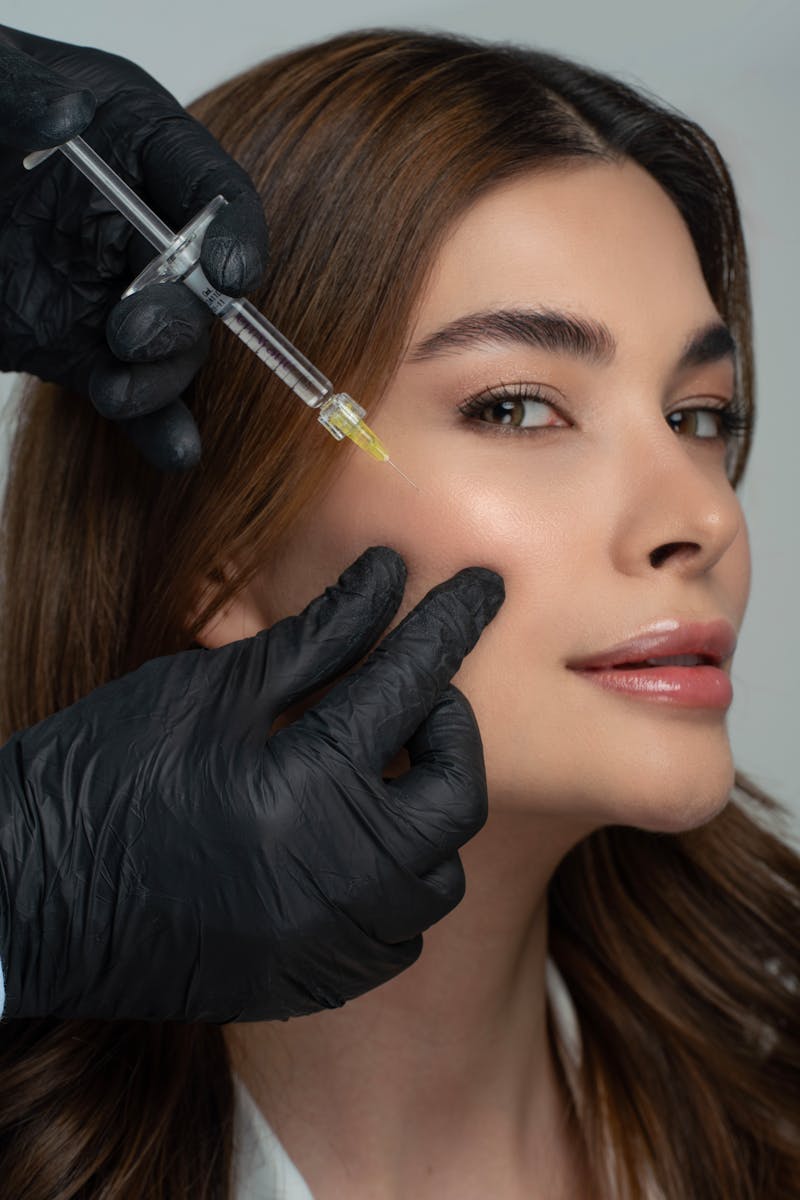
In the world of aesthetic medicine, few topics spark as much anxiety as filler migration. Social media is flooded with warnings about “duck lips” or “pillow faces,” leading many to wonder if their treatments are destined to shift. But how much of this is reality, and how much is fear-mongering? Understanding the science behind migration is the first step to ensuring your results remain natural and beautiful.
What Is Filler Migration?
Filler migration occurs when a dermal filler moves from the original injection site to an adjacent area. While this can happen with any product, it is most commonly discussed regarding lip fillers moving above the vermilion border (creating a “shelf” or “moustache” shadow) or tear trough filler drifting down the cheek.
It’s important to note that most modern hyaluronic fillers are designed to integrate seamlessly with your tissue. However, migration is a real phenomenon, usually caused by one of three factors:
- Overfilling: Putting too much product in a small space forces the filler to find room elsewhere.
- Poor Placement: Injecting into the wrong tissue plane can increase the risk of movement.
- Technique: Using high-pressure injection techniques or the wrong type of filler for a specific area.
Is It Fixable?
The good news is that migration is almost always fixable. Because the vast majority of fillers used today are made of hyaluronic acid, they can be dissolved using an enzyme called hyaluronidase.
If you suspect your filler has migrated, a visit to a cosmetic clinic for an assessment is crucial. Sometimes, the issue isn’t migration at all, but rather swelling or initial settling. However, if the product has indeed shifted, a filler dissolving treatment can break it down, returning your face to its natural baseline. Once the old product is gone, you can start fresh with a more conservative approach to lip fillers or tear trough filler.
Prevention: The Role of the Practitioner
The best way to deal with migration is to prevent it from happening in the first place. This starts with choosing the right provider. A highly qualified cosmetic doctor understands facial anatomy in depth and knows precisely how much product your tissues can support.
Experienced injectors often use a “less is more” approach. They might build volume slowly over several sessions rather than injecting a large amount at once. This allows the filler to settle and integrate properly. They also know when to say “no.” If a patient requests more volume than their anatomy can handle, a responsible practitioner will suggest alternatives or advise against further treatment to prevent the dreaded “overfilled” look.
Alternatives to Volume
Sometimes, the answer isn’t more filler. If you are worried about migration or want a different approach to anti-aging, consider non-surgical cosmetic treatments that focus on skin quality rather than volume.
Treatments like Radio Frequency Microneedling or skin boosters can tighten sagging skin treatment and improve texture without adding bulk. Polynucleotides are another excellent option, stimulating your body to repair itself naturally.
The Verdict
Filler migration is a fact, but it shouldn’t be a fear that stops you from enjoying aesthetic treatments. With the right aesthetic clinic near me and a sensible treatment plan, you can achieve safe, harmonious results. Remember, the goal of modern aesthetics is enhancement, not distortion.