Do you find yourself constantly slathering on heavy creams, only for your skin to feel tight and lacklustre again a few hours later? You might be treating the wrong problem. The terms “dry” and “dehydrated” are often used interchangeably, but they describe two very different skin issues. Understanding the distinction is the key to finding an effective solution and achieving a healthy, comfortable complexion.
Dry skin is a skin type, while dehydrated skin is a temporary condition. One lacks oil, and the other lacks water. This fundamental difference means they require unique approaches to treatment.
What is Dry Skin?
Dry skin is a type you are born with, characterised by an insufficient production of natural oils, or sebum. Sebum helps create a protective barrier on the skin’s surface, locking in moisture and keeping irritants out. Without enough of it, skin can feel rough, look flaky, and may be prone to conditions like eczema.
Symptoms of Dry Skin:
- A feeling of tightness, especially after cleansing
- Small, fine lines
- Flaky or scaly patches
- A rough, uneven texture
- Redness and irritation
For those with persistent dryness, seeking professional support—such as results-driven Facials and Peels—can be transformative. An aesthetic practitioner may also recommend oil-rich treatments and barrier-repairing regimens to strengthen your skin’s lipid function.
Treatments might include nourishing sessions like Hydrating Facials or emollient-rich masks, along with gentle exfoliation that removes flakes without stripping the skin.
What is Dehydrated Skin?
Dehydrated skin is a condition where your skin lacks adequate water content. This can happen to any skin type—even oily or combination skin. Dehydration is often caused by external factors like weather, diet, caffeine consumption, or harsh skincare products that compromise the moisture barrier.
Symptoms of Dehydrated Skin:
- A dull, tired appearance
- Noticeable fine lines that appear more prominent
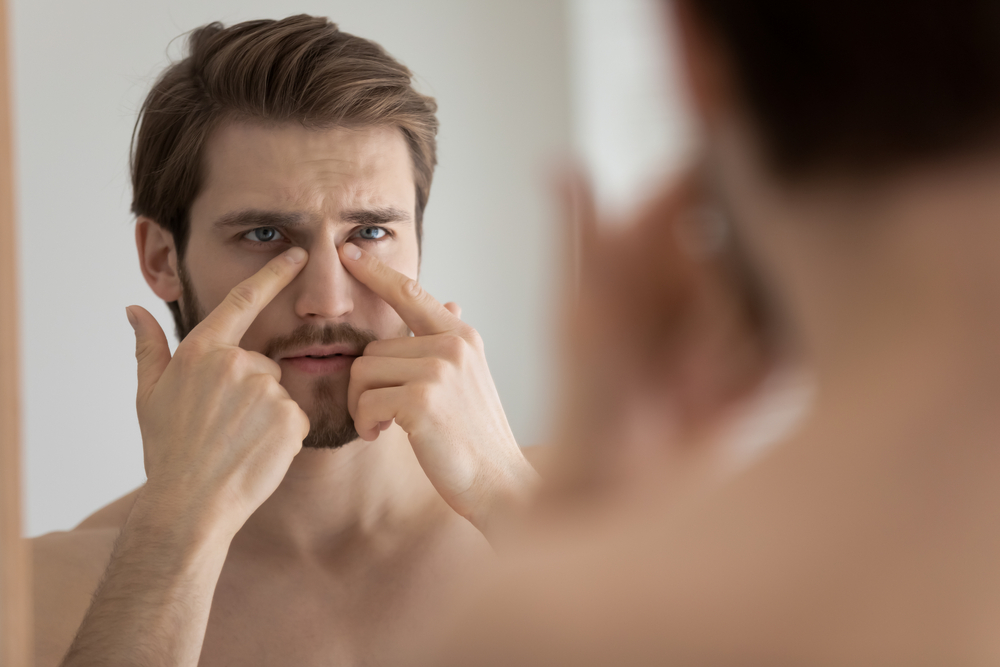
- Dark circles under the eyes
- Increased sensitivity
- A feeling of tightness despite having oily areas
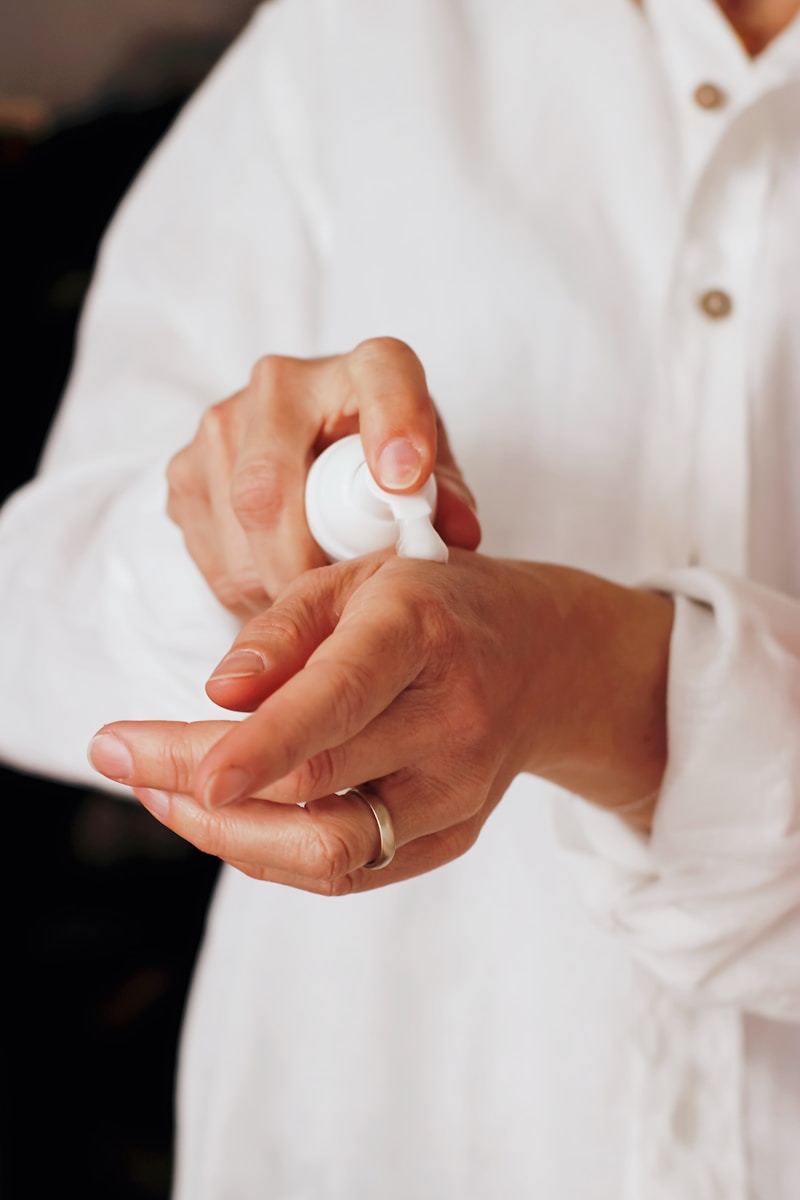
An effective dehydrated skin treatment focuses on reintroducing water into the skin. At home, this means drinking plenty of water and using skincare products with humectants like hyaluronic acid, glycerin, and aloe vera. These ingredients act like moisture magnets, pulling hydration to the skin’s surface.
Professional options may include clinical-strength hydration boosters or targeted treatments that complement your daily routine, such as a personalised skin care and beauty routine.
Choosing the Right Treatment Path
Because the root causes are different, the treatments must be too.
For Dry Skin:
The goal is to add oil back into the skin. Look for moisturisers with ceramides, shea butter, and plant oils (like jojoba or squalane). A clinic specialising in dry skin concerns may offer oil-based therapies and restorative facials that reinforce your natural moisture barrier.
For Dehydrated Skin:
The goal is to add water. An effective dehydrated skin treatment involves layering hydrating serums, essences, and water-based moisturisers. Professional hydration-enhancing services—such as Hydra Glow / Anti-Aging Facial or other water-infusing procedures—can provide immediate plumping and radiance.
If you’re unsure which condition you are dealing with, a professional consultation can provide clarity. An expert can accurately diagnose your skin and create a personalized plan to restore balance, ensuring you use the right products and treatments to achieve a radiant, healthy glow.