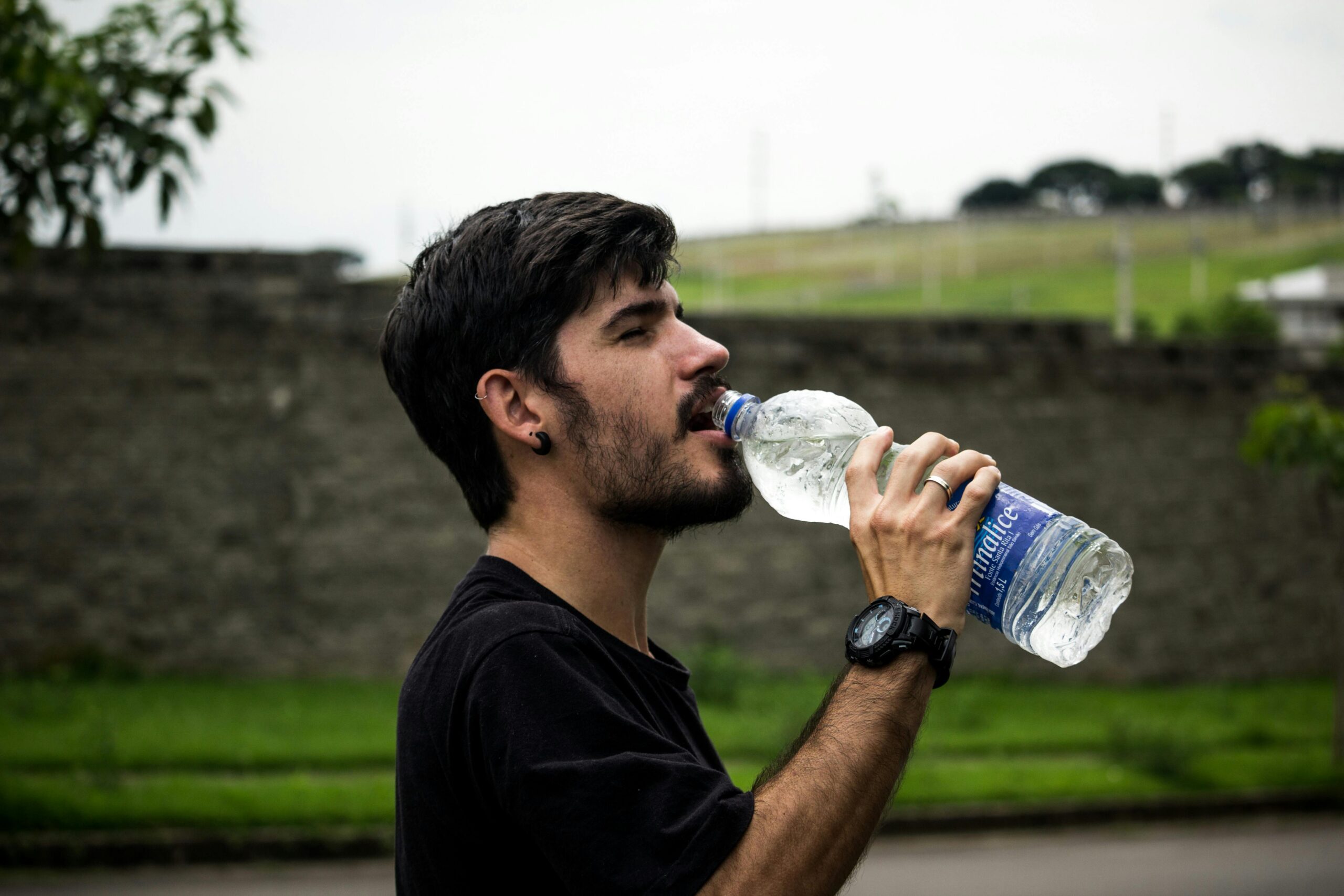
You’ve been drinking water all day. Your bottle is empty, you’ve refilled it twice, and you still feel drained, foggy, and vaguely miserable. Sound familiar? The problem might not be how much you’re drinking — it’s what’s missing from it.
During a heat wave, your body loses more than just water. It loses electrolytes — the minerals that keep your muscles working, your energy stable, and your skin looking like it belongs to someone who slept last night. Without them, plain water can only do so much.
What Are Electrolytes — and Why Do They Disappear in Heat?
Electrolytes are minerals that carry an electrical charge in your body. The main ones — sodium, potassium, magnesium, and calcium — regulate everything from fluid balance and nerve function to muscle contraction and heart rhythm.
When you sweat, you excrete all of these, not just water. The more you sweat (and in a heat wave, that’s a lot), the faster these stores deplete. Drinking plain water in large amounts without replacing electrolytes can actually dilute what little you have left, making symptoms worse rather than better.
Signs Your Electrolytes Are Off
Your body communicates the imbalance clearly — you just need to know what to listen for:
- Fatigue that doesn’t lift despite adequate sleep and hydration
- Headaches that arrive mid-morning and don’t respond to water
- Muscle cramps — particularly in your legs and feet at night
- Brain fog or difficulty concentrating in the afternoon heat
- Dull, dehydrated-looking skin that feels tight even after moisturizing
- Dizziness or lightheadedness when standing up quickly
If several of these apply, it’s worth adjusting your hydration strategy — not just increasing your water intake.
How to Replenish Electrolytes Sensibly
Eat Them First
Food is the most natural and effective source of electrolytes. Before reaching for supplements, look at your diet:
- Sodium: a light pinch of sea salt in water or on food; coconut water is also a good natural source
- Potassium: bananas, avocados, sweet potatoes, and leafy greens
- Magnesium: nuts, seeds, dark chocolate, and legumes
- Calcium: dairy, fortified plant milks, and sardines
Eating a varied diet rich in whole foods covers most people’s electrolyte needs most of the time — even in the heat.
Consider Electrolyte Supplements Smartly
If you’re sweating heavily — through exercise, outdoor work, or simply existing in extreme heat — electrolyte tablets or powders dissolved in water can help. Look for options low in added sugar and artificial ingredients. You don’t need a sports drink marketed at marathon runners; a simple mineral supplement works just as well for everyday heat management.
Time Your Hydration
Don’t wait until you’re thirsty. By the time thirst kicks in, you’re already mildly dehydrated. Drink consistently throughout the day — ideally a glass of water with a small amount of added minerals every few hours, rather than a large amount all at once.
What Dehydration Does to Your Skin
This is where hydration and skincare connect directly. When your electrolyte balance is off, it shows on your face. Skin loses its plumpness, fine lines appear more pronounced, and the overall complexion looks dull and uneven — no amount of product fully compensates for internal dehydration.
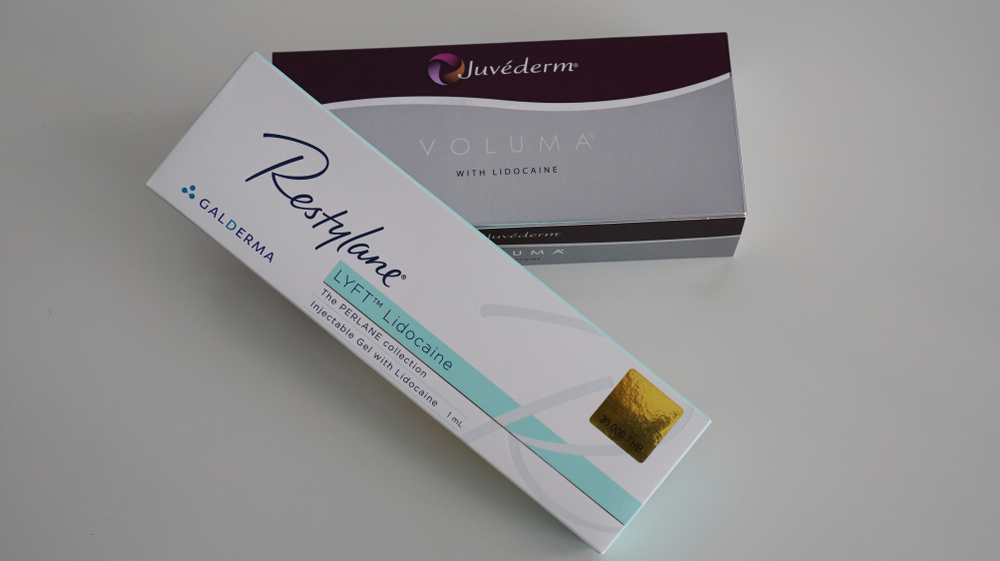
A solid skin care routine can support your skin from the outside, but internal hydration determines how well topical products actually perform. Hyaluronic acid products applied to damp skin help lock in moisture at the surface, while skin boosters work at a deeper level — delivering hyaluronic acid directly into the skin for sustained hydration that plain moisturizer can’t match.
If heat has already left your skin looking flat or fatigued, treatments like polynucleotides and PRP therapy actively support your skin’s repair process and boost collagen production — giving you that well-rested radiance that consistent hydration makes possible, but that some skin needs an extra push to achieve.
A Simple Daily Framework for Heat Wave Hydration
Start the morning with a glass of water before coffee. Add a small pinch of salt or an electrolyte tablet if you know it’s going to be a hot one. Eat a potassium-rich breakfast. Drink consistently throughout the day rather than in large gulps. By evening, your skin, energy, and concentration will reflect the difference.
And don’t forget your sun screen — UV exposure compounds dehydration and pushes already stressed skin further into the red.
Hydration isn’t just a health habit. In summer, it’s the foundation of how you look, feel, and function. Get the electrolytes right, and water finally starts pulling its weight.