For decades, topical corticosteroids were viewed as the undisputed, golden standard for managing chronic inflammatory skin conditions like eczema. Applied directly to the skin, these creams rapidly shut down immune reactivity, providing immediate relief from agonizing itch and redness. However, digital patient support groups and online forums are currently dominated by a singular, deeply distressing topic: Topical Steroid Withdrawal (TSW).
Also known as Red Skin Syndrome, TSW is a debilitating cascade of physical symptoms that can erupt when a patient abruptly stops or tapers down prolonged or high-potency steroid use. As patients increasingly share their raw, unfiltered healing journeys online, the conversation is shifting from basic topical treatments to a desperate search for systemic, advanced Beauty Treatments and clinical support to reclaim their lives.
What is TSW, and Why is it Expanding?
When a patient uses topical steroids over months or years, the skin can become physiologically dependent on the synthetic hormone. Over time, the blood vessels become chronically constricted, the epidermal layer thins, and the body suppresses its own natural cortisol regulation. The moment the medication is stopped, the skin enters a state of extreme rebound hyper-inflammation.
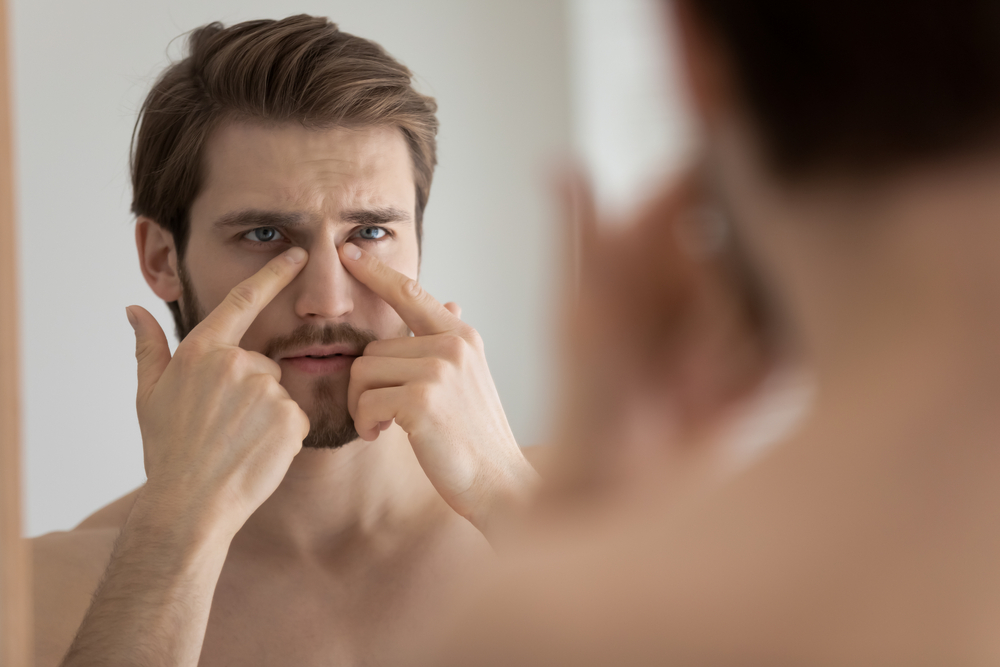
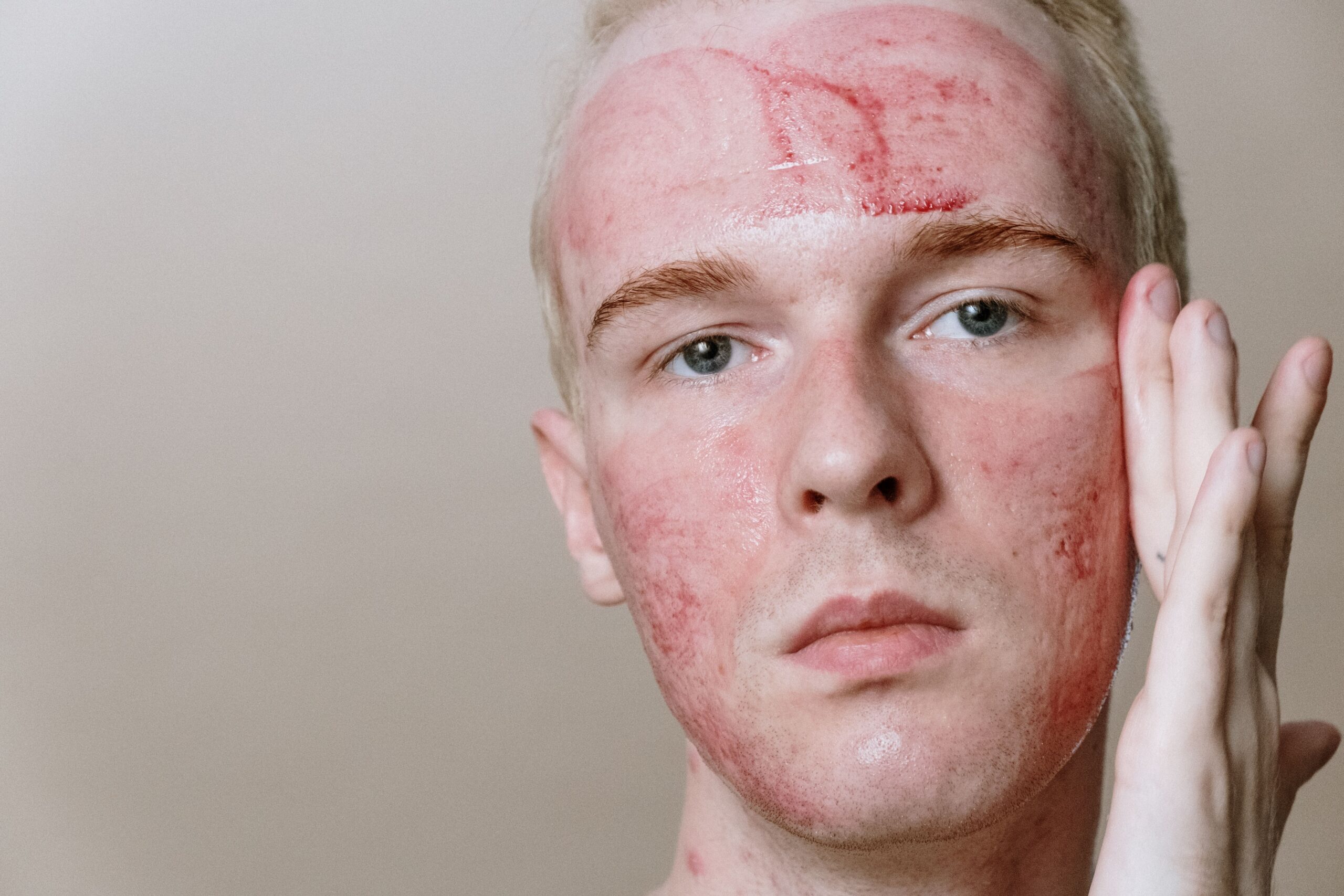
TSW is uniquely challenging because it behaves completely differently from a standard eczema flare-up. Rather than presenting as localized dry patches, TSW typically causes widespread, burning, or stinging erythema (intense redness) that often spills into areas of the body where eczema never originally existed. The skin frequently develops deep, painful folds—often referred to as “elephant skin”—alongside oozing, massive flaking, and severe neuropathic pain. Because the syndrome can cycle through waves of flares for months or even years, patients frequently find themselves isolated, exhausted, and turning heavily to peer support groups for validation and advice.
The Search for Advanced Barrier Restoration
For patients navigating the grueling timeline of TSW, a standard Skin Care Routine is completely off the table. Aggressive over-the-counter cosmetics, fragrances, and active chemicals will immediately trigger agonizing stinging. While some patients strictly experiment with “moisture withdrawal” to dry out weeping skin, others rely on ultra-pure, medical-grade protectants and Hyaluronic Acid Products to carefully mitigate trans-epidermal water loss without overloading the fragile epidermis. Because UV radiation can profoundly damage an already raw skin barrier, diligent, daily application of physical, low-irritant Sun Screen remains a critical clinical necessity whenever stepping outside.
To accelerate the excruciatingly slow healing process, patients and forward-thinking dermatologists are exploring advanced, clinical Skin Rejuvenation protocols that function completely separate from steroid pathways. To safely Boost Collagen Production and repair heavily damaged tissue from within, the aesthetic medicine world is introducing innovative cellular therapies.
Injections or topical applications of Polynucleotides and Exosomes / Puresomes are becoming highly discussed in patient circles. These advanced bio-stimulators act as cellular messengers, sending direct signals to reduce profound vascular inflammation, accelerate wound closure, and rebuild a completely decimated skin barrier.
The Holistic Road to Recovery
Because TSW is a systemic crisis, recovery requires a multi-layered approach. To manage the extreme physical discomfort and calm vascular hypersensitivity, clinical practitioners often recommend low-risk, soothing interventions. Specialized Hydrating Facials performed by specialized clinicians can carefully reintroduce moisture to the face without stripping the skin. For the body, non-invasive Body Treatments—such as medical LED phototherapy—are highly utilized to down-regulate cytokines and soothe the raw, burning sensations. If the withdrawal triggers an intense vascular rebound that mimics chronic facial flushing, a highly targeted Rosacea Treatment protocol can be carefully adapted to help constrict over-dilated blood vessels.
Ultimately, the dominance of TSW in patient support groups highlights a critical turning point in dermatological care. Patients are actively demanding a move away from temporary, suppressive fixes and are championing a future focused on deep cellular repair, barrier rehabilitation, and long-term skin health.