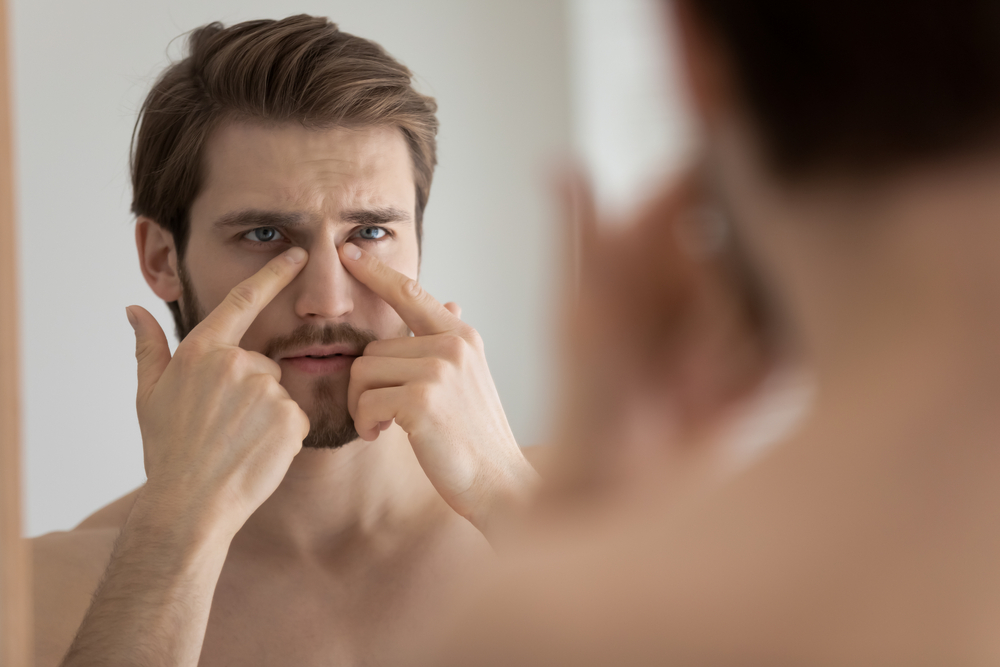

Tired eyes are one of the most common complaints in an aesthetic consultation, and tear trough filler has become the default answer for years. But under-eye hollowing has several different causes, and filler — while effective for some — is not a universal fix, and can look distinctly wrong when used on the wrong candidate.
What’s actually causing the hollow
True volume loss under the eye, common with age as fat pads shift and thin, does respond well to tear trough filler. But dark circles caused by thin skin showing underlying blood vessels, or by pigmentation rather than shadow, will not improve with filler and can occasionally look worse if filler is placed to compensate for a problem it can’t actually solve.
The regenerative alternative
This is where periocular skin boosters have carved out a genuine niche. Rather than adding volume, treatments like ElysiHA Eyes and eye-specific formulations such as Plinest Eye or Ami Eyes work on skin quality directly — improving hydration and thickness in an area where the skin is thinnest on the whole face, without adding structural volume that can look puffy under the wrong lighting.
Getting the diagnosis right
A proper assessment should distinguish between volume loss, pigmentation, vascularity and simple tiredness or fluid retention before recommending any treatment — because the “tired eyes” complaint patients bring to a consultation can be any one of these, or a combination, and each calls for a different answer. Tired eyes treatment done well starts with that diagnosis, not with reaching for a syringe of filler by default.
The takeaway
If you’ve had tear trough filler before and felt it didn’t quite solve the problem — or made the area look heavier rather than brighter — it’s worth a fresh consultation focused on what’s actually causing the hollow, rather than assuming more filler is the answer.