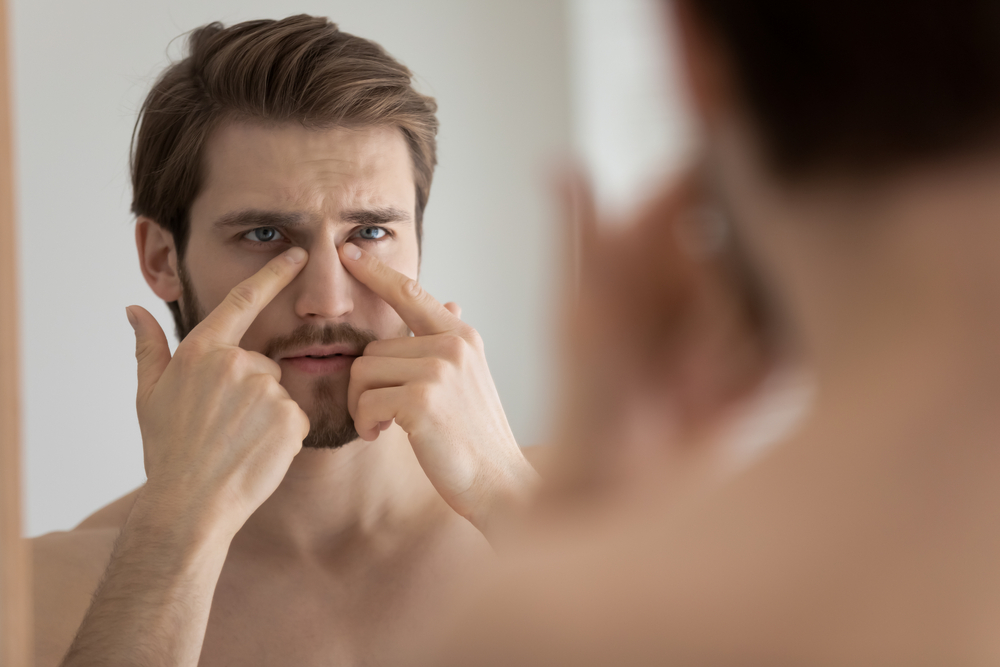
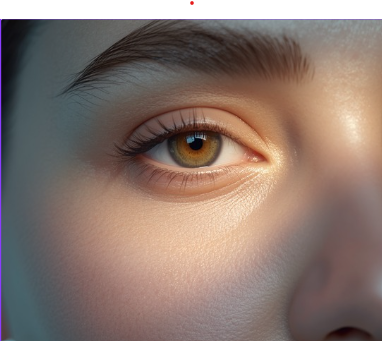
A visible blue-grey tint appearing under the eyes some time after filler treatment is a specific, well-documented phenomenon called the Tyndall effect, and it’s frequently mistaken by patients for bruising or a reaction, when it’s actually a physics problem rather than a healing one.
What’s Actually Causing the Blue Tint
The Tyndall effect happens when filler sits too close to the skin’s surface in an area where the skin is very thin — the light scattering that occurs makes the filler appear blue through the skin, similar to why veins can look blue even though blood itself isn’t that colour.
Why This Area Is Particularly Prone to It
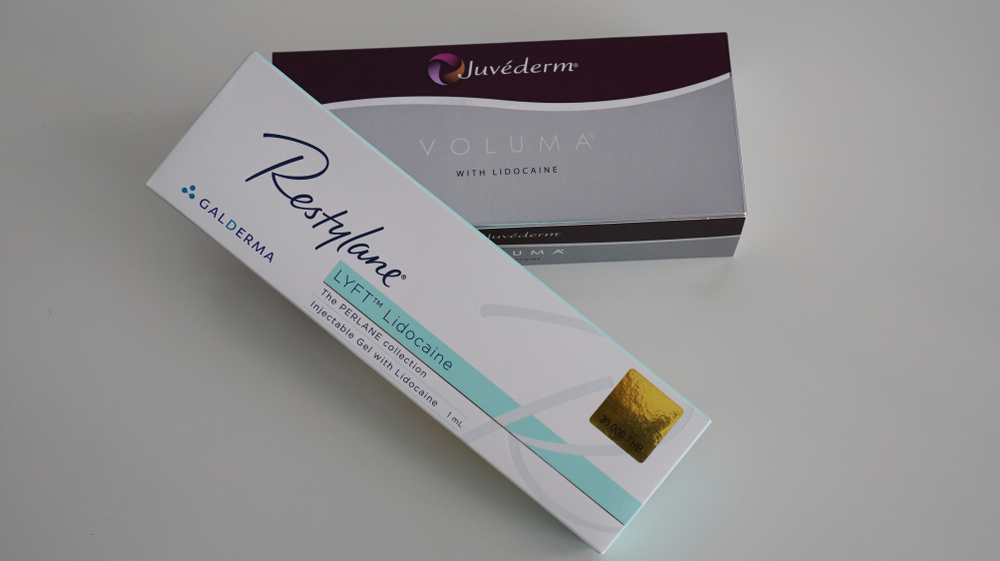
The skin beneath the eyes is thin enough that even correctly placed Tear Trough Filler sits closer to the surface than filler elsewhere on the face, making this specific complication considerably more likely here than in areas with thicker skin covering the treatment.
How It’s Actually Corrected
The most direct and reliable fix is Filler Dissolving using an enzyme that breaks down the hyaluronic acid causing the discolouration, typically resolving the blue tint within a day or two once dissolved. This is a genuinely different situation from bruising, which simply requires time rather than active intervention.
Why Prevention Matters More Than Correction Here
Because the fix, while effective, means undoing treatment rather than adjusting it, prevention through correct technique and appropriately chosen filler product for this specific area is considerably preferable to needing a correction. This is one of the clearest examples of why Dark Circle Treatment in this zone specifically benefits from an experienced, specialised practitioner.
How Long the Discolouration Can Last if Untreated
Left alone, the Tyndall effect doesn’t reliably resolve on its own the way bruising does, and it can persist for as long as the filler itself remains in the tissue — which, depending on the product used, may be many months. This is precisely why active dissolving, rather than a wait-and-see approach, is generally the recommended path once it’s identified.
The Takeaway
If you’d like to explore further, treatments like without numbing, chemical peels, skin boosters and skincare routine are also worth discussing with your practitioner.
A blue tint under the eyes after filler is the Tyndall effect, not bruising, and it’s a technique-related issue that’s genuinely correctable through dissolving rather than something to simply wait out. It’s also one of the strongest arguments for choosing tear trough treatment specifically based on practitioner experience in this particular area.