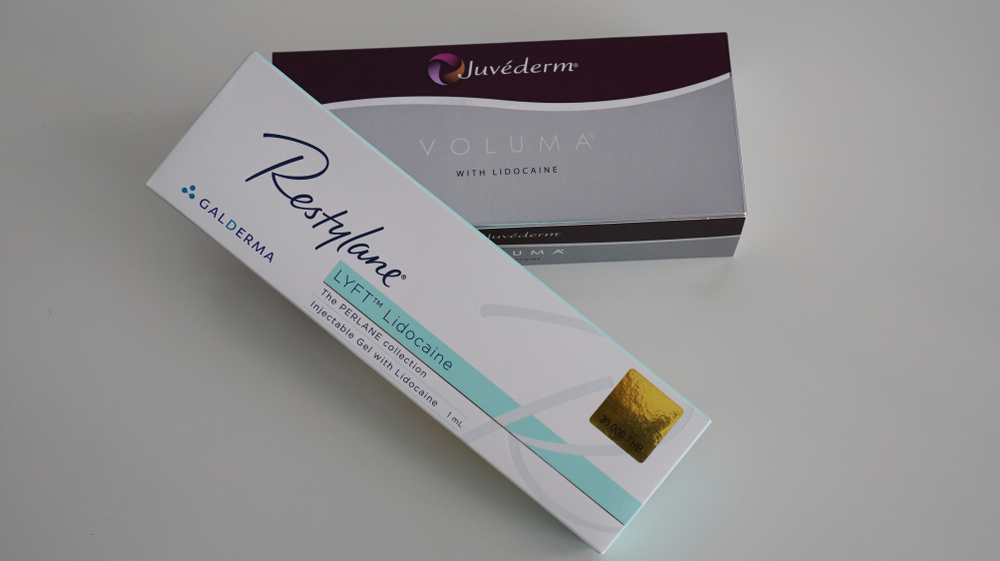

Hyaluronic acid dominates most conversations about dermal filler, but a second category built on calcium hydroxylapatite works through a genuinely different mechanism, and understanding the distinction helps explain why practitioners reach for one over the other depending on what a patient actually needs.
A Different Building Material Entirely
Calcium hydroxylapatite is a mineral compound found naturally in human bone, and when used in aesthetic treatment it acts as a scaffold that encourages the body to produce its own collagen around it, rather than simply occupying space the way hyaluronic acid gels do. This gives it a structural, biostimulatory quality that’s genuinely distinct from volumising fillers.
Where This Mechanism Matters Most
Because it stimulates the skin’s own collagen production over time, calcium hydroxylapatite tends to be favoured for areas needing structural support and gradual improvement — jawlines, cheeks, and areas of significant volume loss — where Hyaluronic Fillers might be chosen instead for finer, more immediately adjustable work like lips or tear troughs.
How Results Develop Differently
Results build progressively over several weeks as the body’s own collagen response develops, rather than appearing fully formed immediately after treatment the way hyaluronic acid fillers typically do. This makes it a treatment that rewards patience, with results that some patients find look more gradually natural precisely because of that slower reveal.
Why It’s Often Part of a Non-Surgical Facelift Plan
Its structural, collagen-stimulating properties make it a common component of broader Non-Surgical Facelift treatment plans aimed at addressing Wrinkle Reduction alongside genuine structural support, rather than volume alone. Combining it with other filler types is increasingly common precisely because each does a distinct job.
What a Consultation Should Cover
A practitioner considering calcium hydroxylapatite should be able to explain clearly why that specific product suits the treatment area in question, rather than defaulting to whichever filler type they’re most used to using. Asking directly about the expected timeline for results, given the gradual nature of this mechanism, is a reasonable and informative question to raise before treatment begins.
The Takeaway
Calcium hydroxylapatite offers a genuinely different mechanism from hyaluronic acid — building structure through the body’s own collagen response rather than simply adding volume. Knowing which mechanism suits a given concern is exactly the kind of decision worth discussing directly with a practitioner rather than assuming one filler type fits every need.