From ancient oils to cinematic red carpet looks, skincare and beauty have evolved dramatically through the ages — and today’s pop culture moments help highlight just how far we’ve come. In ancient Egypt, radiant skin was a symbol of divinity and status: Cleopatra and her contemporaries famously used milk baths, honey and plant oils for hydration and glow. In classical Greece, purity and a light tan were admired, so women and men alike turned to olive oil rubs and grape-seed extracts to protect skin from the sun and elements.
Moving into the medieval and Renaissance eras, pale skin became a symbol of aristocratic life — only the wealthy could avoid outdoor labour. Ingredients like lead-based powders and vinegar-soaked cloths were used to lighten complexions — often at great cost to health. By the Victorian age, modesty and delicacy dominated: minimal makeup, whitening pomades, and rosewater tonics were advertised as genteel essentials.
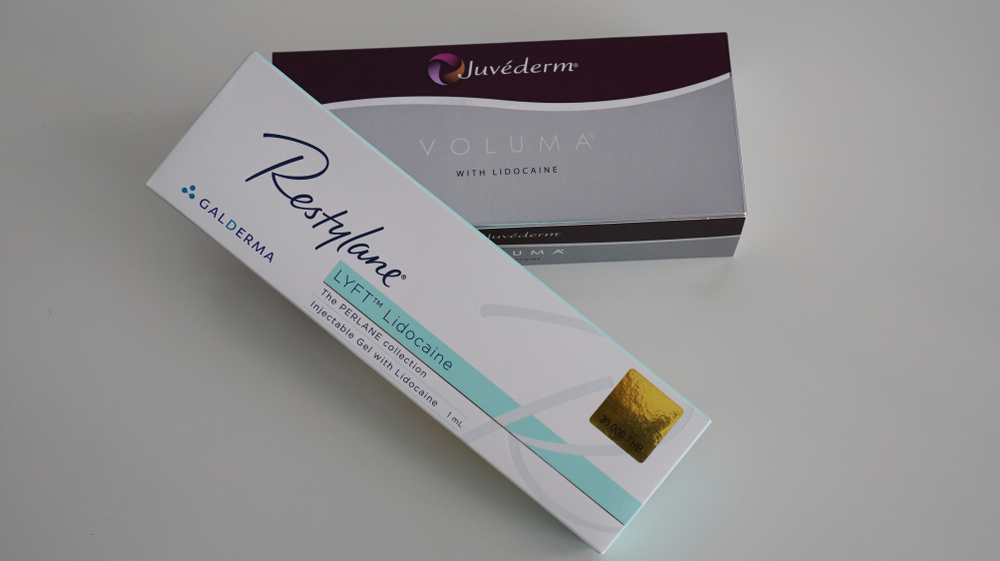
Fast forward to the 20th century, and the rise of Hollywood transformed beauty standards again — smooth, matte “film star” skin defined glamour. Advancements in dermatology and cosmetic chemistry in the late 20th and early 21st centuries shifted the focus to skin health: SPF protection, hyaluronic acid serums, and antioxidants now saturate the global skincare market.
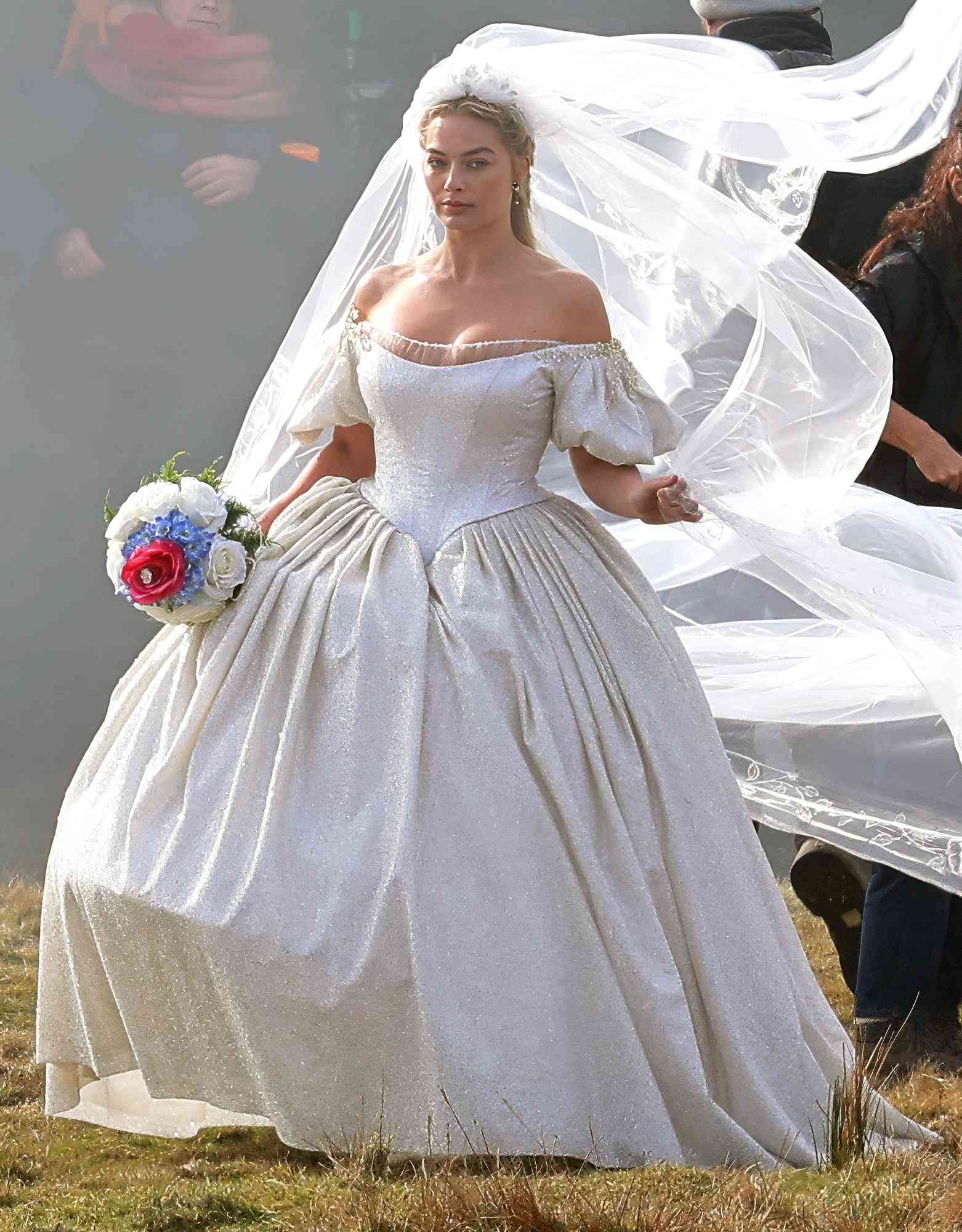
Enter Wuthering Heights (2026). While a period drama at heart, its beauty trend impact is unmistakably modern. The film’s makeup aesthetic — fresh, windswept cheeks and luminous, “just-stepped-off-the-moors” skin — has inspired real-world interest in natural, radiant textures and blush-centric looks.