
The arrival of winter often brings a cozy atmosphere, but for those with rosacea, it can signal the start of a challenging season for their skin. The combination of cold, biting winds outdoors and dry, artificial heat indoors creates a perfect storm for flare-ups. If you notice your skin becoming more red, sensitive, and irritated as the temperature drops, you are not alone. Understanding why this happens is the first step toward finding effective relief and maintaining a calm, comfortable complexion all winter long.
Why Winter Worsens Rosacea
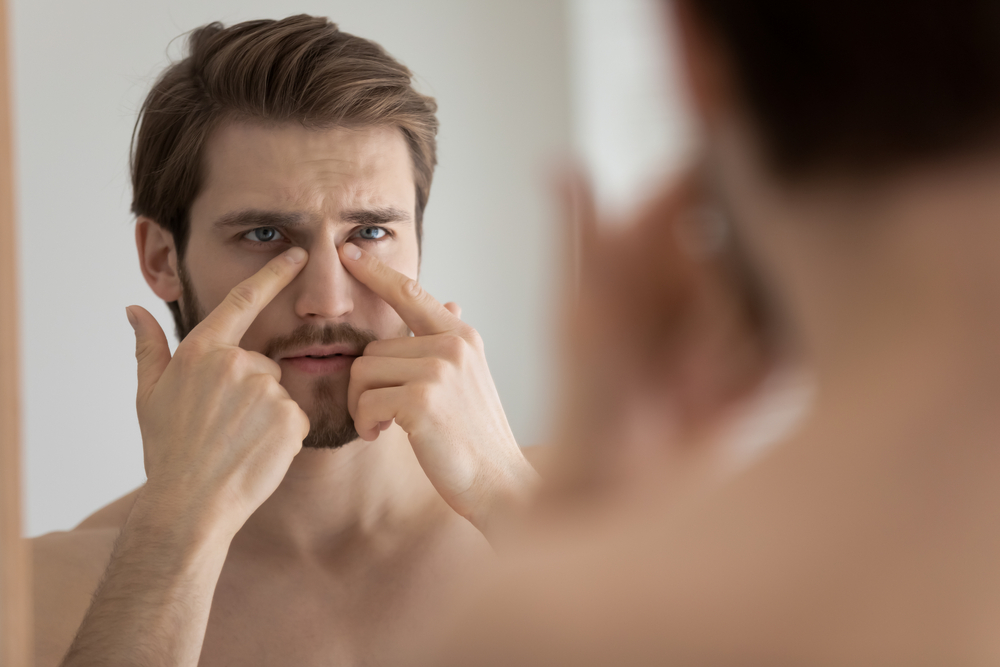
Rosacea is a chronic inflammatory skin condition that affects the blood vessels in the face. Triggers cause these vessels to dilate easily, leading to flushing, persistent redness, and sometimes bumps or pustules. Winter conditions are particularly taxing on this sensitive system.
The drastic shift from freezing outdoor air to warm indoor environments forces the tiny blood vessels in your face to expand and contract rapidly. This constant fluctuation can cause them to become overstimulated and remain dilated, resulting in prolonged redness and inflammation. Furthermore, harsh winds can strip the skin of its natural moisture, compromising its protective barrier and leaving it vulnerable to irritation.
Best Soothing Professional Treatments
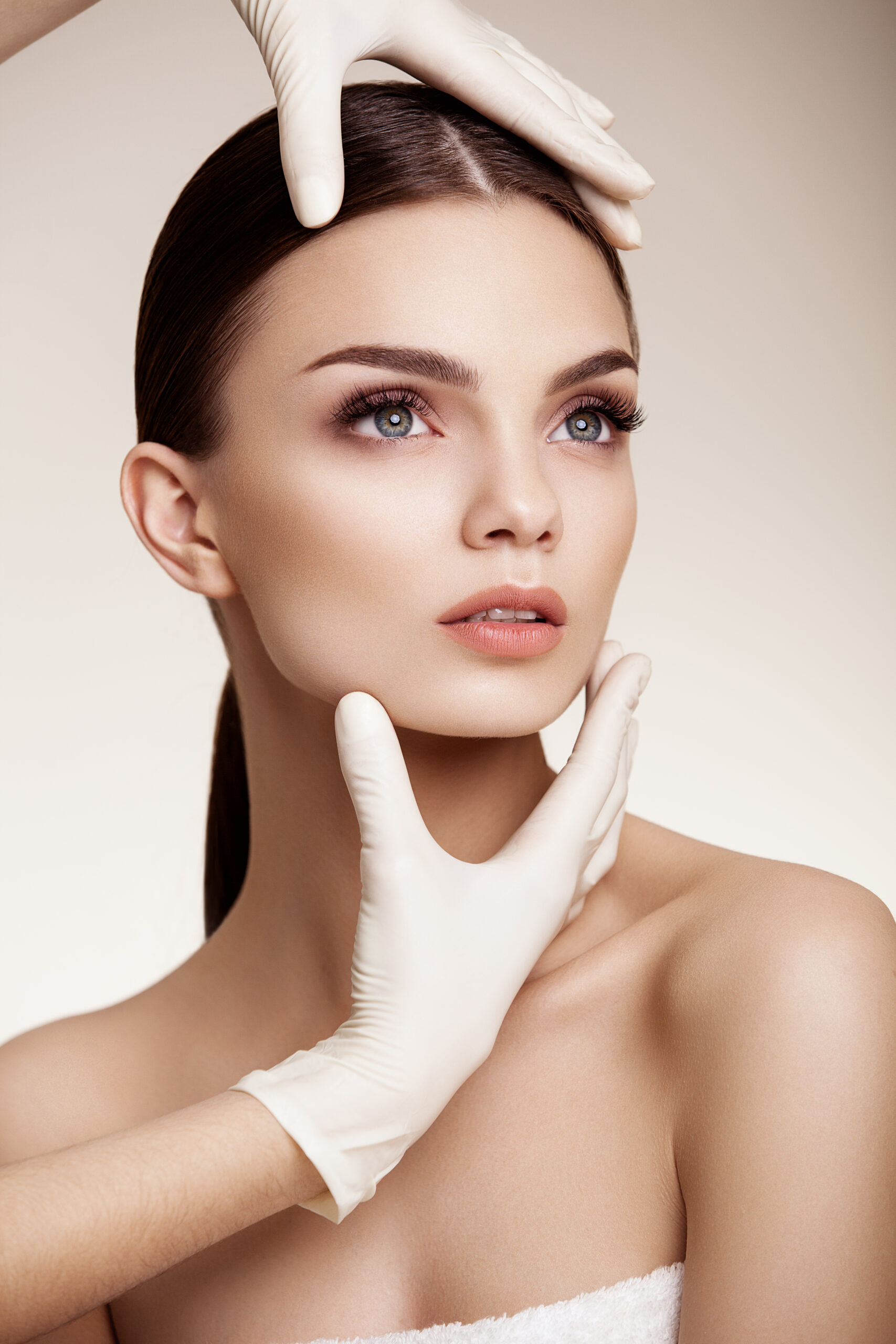
While managing rosacea starts at home, professional treatments can provide significant relief and build your skin’s resilience against winter triggers.
1. Calming LED Light Therapy
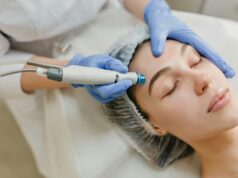
LED (Light Emitting Diode) therapy is a gentle, non-invasive treatment perfect for sensitive, rosacea-prone skin. Red light wavelengths penetrate deep into the skin to reduce inflammation and promote cellular repair. This process helps calm redness, decrease sensitivity, and strengthen the skin barrier without any heat or irritation, making it an ideal choice during a flare-up.
2. Barrier-Repair Hydrating Facials
A professional Hydrating Facial can be a game-changer for winter skin. Unlike standard facials, these treatments are specifically designed to soothe and restore. An aesthetician will use calming, fragrance-free products rich in ingredients like ceramides, hyaluronic acid, and niacinamide. These components work to replenish lost moisture, repair a compromised skin barrier, and reduce visible redness, providing both immediate and lasting comfort.
3. Prescription Topical Medications
A dermatologist can prescribe topical treatments to manage symptoms effectively. Gels or creams containing ingredients like azelaic acid, metronidazole, or ivermectin can help control inflammation and reduce the bumps associated with rosacea. Using these as directed by a medical professional can be a crucial part of keeping winter flare-ups at bay.
At-Home Tips for Managing Winter Rosacea
Consistent at-home care is essential for supporting professional treatments and preventing flare-ups.
Simplify Your Routine: Use a minimal number of products. Opt for a gentle, soap-free cleanser, a hydrating serum, and a rich, barrier-supporting moisturizer.
Choose Lukewarm Water: Wash your face with lukewarm water, as hot water can strip essential oils and trigger flushing.
Protect Your Face: Before heading outside, cover your face with a soft, non-irritating scarf made from materials like silk or cotton to shield it from wind and cold.
Use a Humidifier: Running a humidifier indoors can add moisture back into the air, helping to prevent your skin from drying out.
Know Your Triggers: Pay attention to other potential triggers like spicy foods, alcohol, and stress, which can compound the effects of the weather.
Winter does not have to mean months of battling your skin. By combining soothing professional treatments with a gentle and protective at-home routine, you can keep flare-ups under control and enjoy a calm, healthy complexion throughout the season.