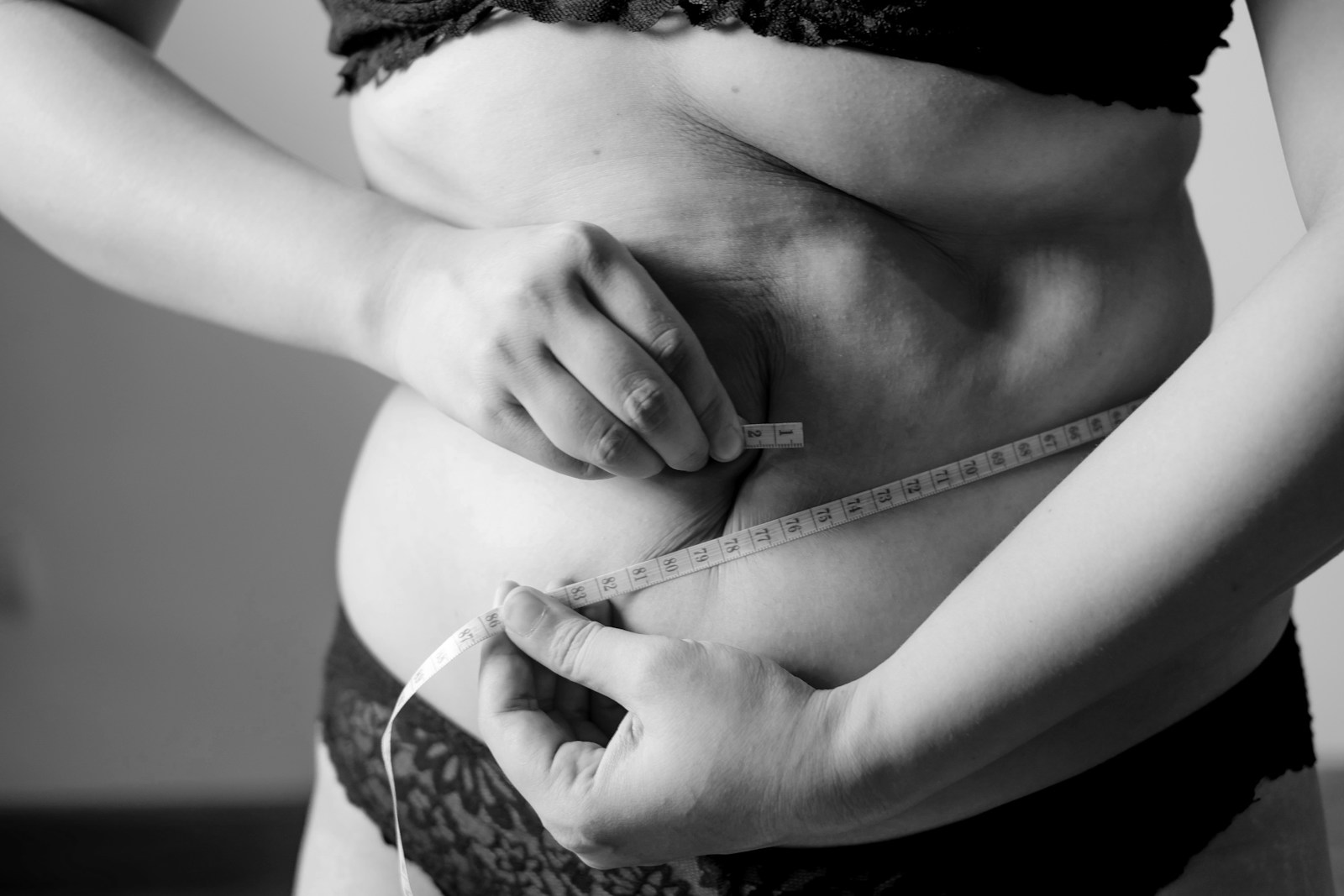
The rise of modern Weight Loss Injections and Weight – Mounjaro has transformed how people approach long-term health and body transformation. These medications offer an effective route to meaningful, sustainable change—but with rapid success comes an unexpected aesthetic shift: noticeable facial volume loss, often referred to as “Ozempic face.” This highlights an important connection between metabolic change and aesthetic medicine.
Why Rapid Weight Loss Affects the Face
Fast fat reduction affects every area of the body, including the delicate fat pads that shape facial contours. These pads support the skin, giving youthful fullness to the cheeks and definition to the jawline. When weight drops quickly—especially with the help of Body Treatments or medical weight-loss protocols—the facial fat pads can shrink noticeably.
Unlike gradual loss, which lets skin adjust slowly, rapid changes can leave the skin looking lax or deflated. This can exaggerate dynamic lines that may later require wrinkle reduction treatment or even mid-face support with Hyaluronic Fillers. Because facial skin is thin, these changes become visible sooner and more dramatically than elsewhere on the body.
The Science of Fat Distribution
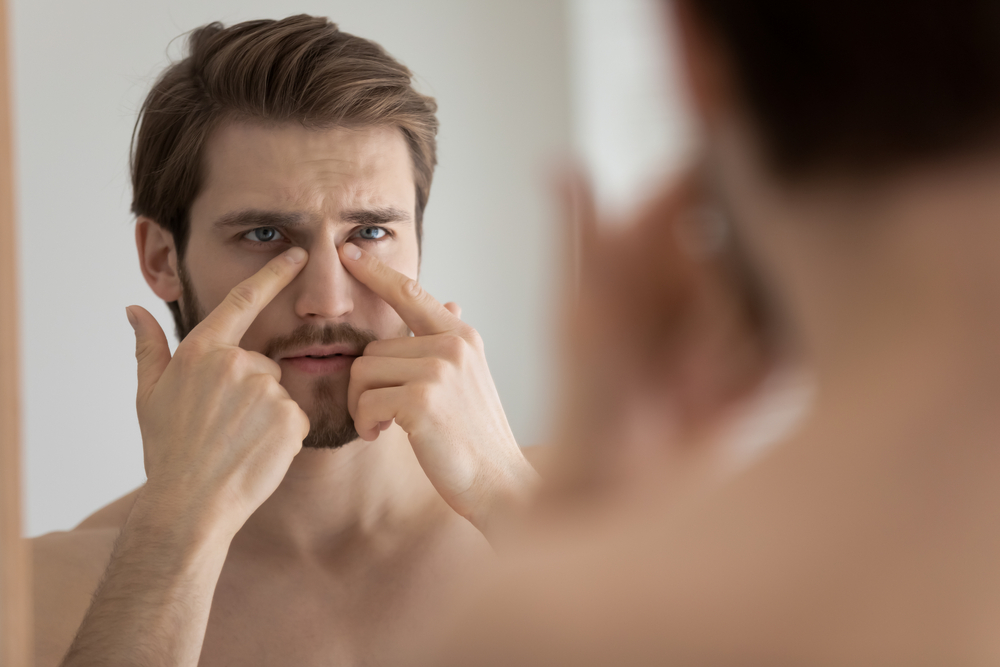
Fat pads in the face are influenced by genetics, hormones, and age—they’re not simply random deposits. When medications accelerate fat loss, they don’t spare these critical facial structures. As a result, patients may notice hollowing in areas that usually depend on healthy fat volume, including the cheeks, temples, and under-eye region (areas often rejuvenated later with Tear Trough Filler or Temple Filler).
This doesn’t mean the drugs directly target facial fat; rather, the speed and scale of weight reduction naturally create the conditions that lead to visible contour changes. Some individuals may also see increased prominence of lines that eventually benefit from Fine lines treatment or skin rejuvenation strategies.
Addressing Facial Volume Loss
The health improvements from medical weight loss should remain the priority. Still, if cosmetic changes become bothersome, today’s aesthetic solutions offer highly effective options.
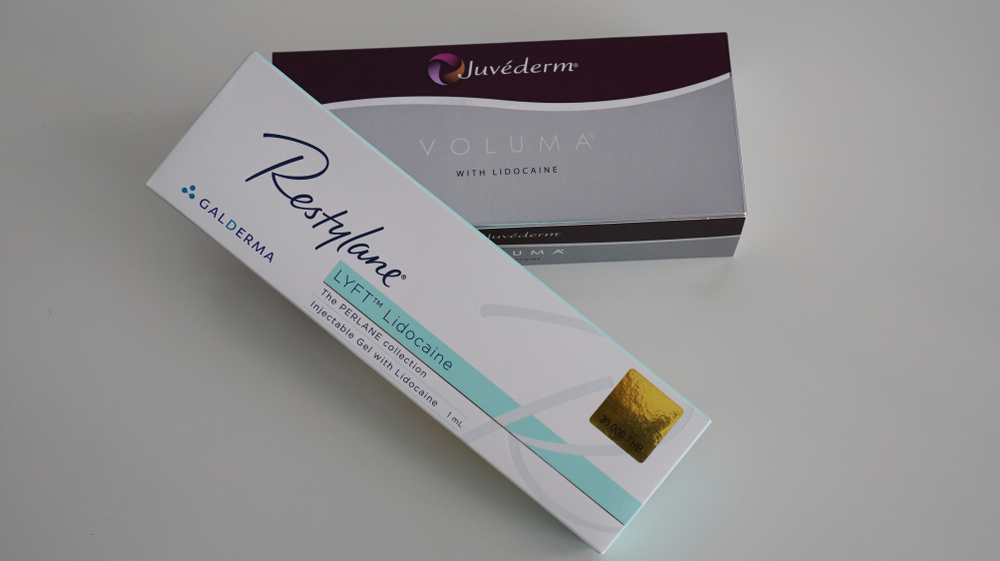
One of the most common treatments is replenishing lost facial structure using Lip Fillers, Cheek Enhancement, or full-face contouring with Non-Surgical Facelift / Liquid Facelift / Face Contouring. These targeted approaches can restore softness and definition using hyaluronic acid–based gels that mimic natural tissue.
Patients seeking longer-term collagen support may also benefit from Polynucleotides, Skin Boosters, or regenerative options like PRP Therapy, all of which help boost collagen production from within. Those needing additional tightening may explore Radio Frequency Microneedling or 3D Radiofrequency Microneedling to firm lax skin resulting from sudden fat loss.
For individuals prioritising facial harmony while maintaining weight-loss success, partnering with a Qualified cosmetic doctor ensures a balanced, personalised aesthetic plan.