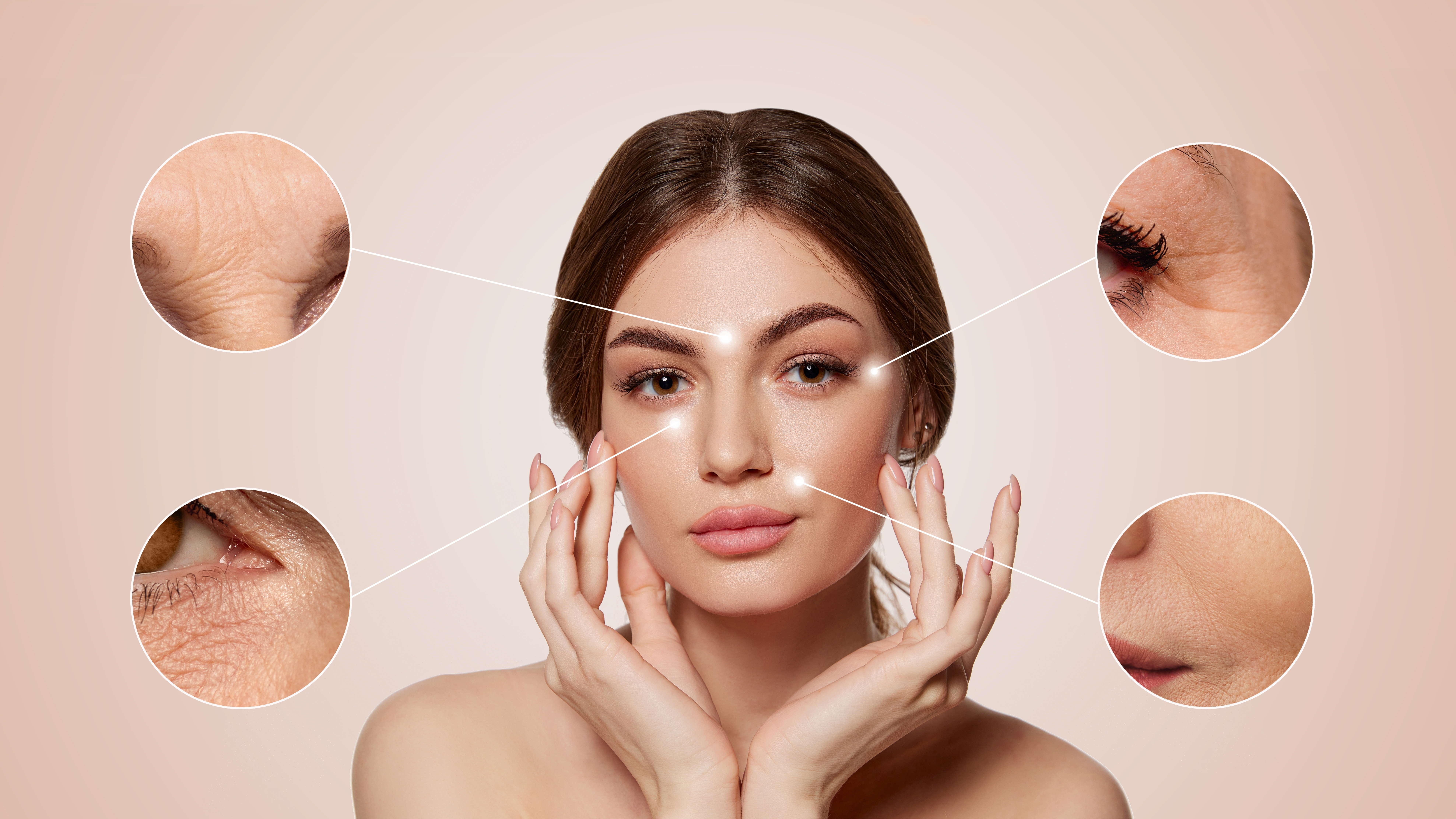
People constantly seek natural ways to restore lost facial volume. For years, synthetic fillers dominated the cosmetic market. Now, subtle fat grafting offers a compelling alternative. This procedure uses your body’s own fat to plump sagging areas and smooth out hollows. But does this method genuinely offer better results, or does it just drain your wallet? Let us explore the safety, cost, and effectiveness of fat transfer compared to traditional injectables.
The Appeal of Natural Volume
In the evolving world of aesthetic medicine, patients want results that look entirely natural. Fat grafting achieves this by harvesting small amounts of fat from your abdomen or thighs. The provider purifies this fat and carefully injects it into your face.
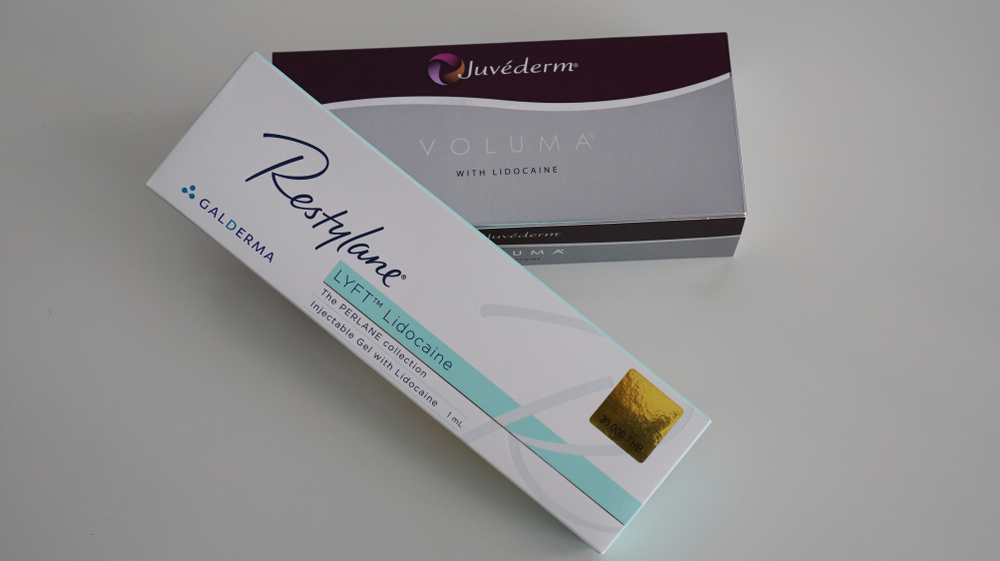
Because the material comes directly from your own body, the risk of allergic reactions drops to absolute zero. Many people prefer this organic, biocompatible approach over standard Hyaluronic Fillers. It feels remarkably natural under the skin because it is real human tissue.
Safety First: Evaluating the Risks
Fat grafting sounds perfectly safe, and in many ways, it is. Your immune system will never reject its own tissue. However, the process still requires minor liposuction to gather the donor fat. This makes it inherently more invasive than simple Anti-Aging Injections.
Patients must endure swelling, bruising, and a slightly longer recovery time compared to off-the-shelf fillers. To minimize surgical complications, you must always choose a Qualified cosmetic doctor with extensive surgical experience and a deep understanding of facial anatomy.
Cost vs. Longevity: The Real Debate
A major concern for most patients is the steep upfront cost. Fat transfer surgery easily costs two to three times more than standard filler treatments. Yet, you have to ask: How long do dermal fillers last? Most traditional fillers break down naturally after six to eighteen months.
Fat grafting, on the other hand, can provide permanent results if the fat cells successfully survive the transfer process. Over a decade, a single fat grafting procedure might actually save you thousands of dollars. It works beautifully for larger areas needing structural support, such as Cheek Enhancement or a robust Jaw Filler / Jaw Enhancement. However, for delicate, thin-skinned areas, many experts still prefer precise hyaluronic acid for a flawless Tear Trough Filler.
Fat Transfer vs. The Liquid Facelift
If you want comprehensive skin rejuvenation without any surgical intervention, a Liquid Facelift remains highly popular. This technique blends various dermal fillers to lift and contour the entire face in a single afternoon. It offers immediate, predictable results with almost zero downtime.
Fat grafting takes longer to settle, and the final outcome is slightly less predictable. Sometimes the body absorbs a portion of the transferred fat unevenly during the initial healing process. When this happens, you might require a secondary touch-up procedure to achieve perfect symmetry.
Making the Right Choice
Subtle fat grafting offers an excellent, long-lasting alternative to synthetic fillers. It delivers beautifully natural volume that ages organically with your body. However, the higher price tag and surgical nature mean it is not the perfect choice for everyone. Before making a final decision, schedule a thorough consultation at a reputable Cosmetic clinic. An expert evaluation will help you determine the safest, most effective treatment for your specific aesthetic goals.