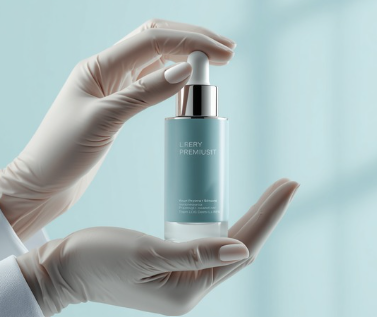
‘Prescription-grade’ can sound like a marketing flourish designed to make a facial sound more clinical than it really is, but the term actually describes a genuinely meaningful distinction in how a treatment is formulated, dosed, and delivered compared with a standard spa facial. Understanding what the distinction actually covers helps set realistic expectations before booking.
What Makes a Facial ‘Prescription-Grade’
Prescription-Grade Facials typically use active ingredients at concentrations only available through a medical or clinical setting, rather than the lower, broadly safe concentrations found in over-the-counter or standard spa products. This higher concentration is precisely what allows for more significant results, but it also demands more careful practitioner oversight.
Why This Requires Proper Clinical Assessment
Higher-concentration actives carry a correspondingly higher risk of irritation or reaction if used inappropriately for a specific skin type or condition, which is why a proper prescription-grade treatment should involve genuine skin assessment beforehand rather than being offered as a standard, one-size-fits-all package.
How Results Genuinely Differ From Standard Facials
A standard spa facial can offer real, if modest, hydration and relaxation benefits, but prescription-grade treatments are formulated to produce more measurable changes in texture, tone, or specific concerns like pigmentation, precisely because of what they’re permitted to contain. Understanding this difference helps set appropriately different expectations for each category.
Building It Into an Ongoing Routine
Prescription-grade treatments work best layered alongside a properly maintained Skin Care Routine at home, since in-clinic results are more easily sustained with appropriate daily support rather than left to fade without any follow-through between sessions.
Questions Worth Asking Before Booking
Asking specifically what makes a facial ‘prescription-grade’ — which active ingredients, at what concentration, and under what clinical oversight — is a reasonable question that any legitimate provider should be able to answer clearly and specifically, rather than relying on the term alone to justify a premium price.
The Takeaway
For a more complete approach, it’s worth considering skin tightening, laser for acne, medical-grade peel, microneedling, injectable treatment and dark circles alongside this treatment.
The prescription-grade label describes a genuine difference in formulation and oversight, not just marketing language, though that difference also means the treatment demands more careful, individualised assessment than a standard facial. Asking specific questions before booking is the most reliable way to confirm the label reflects a real distinction.