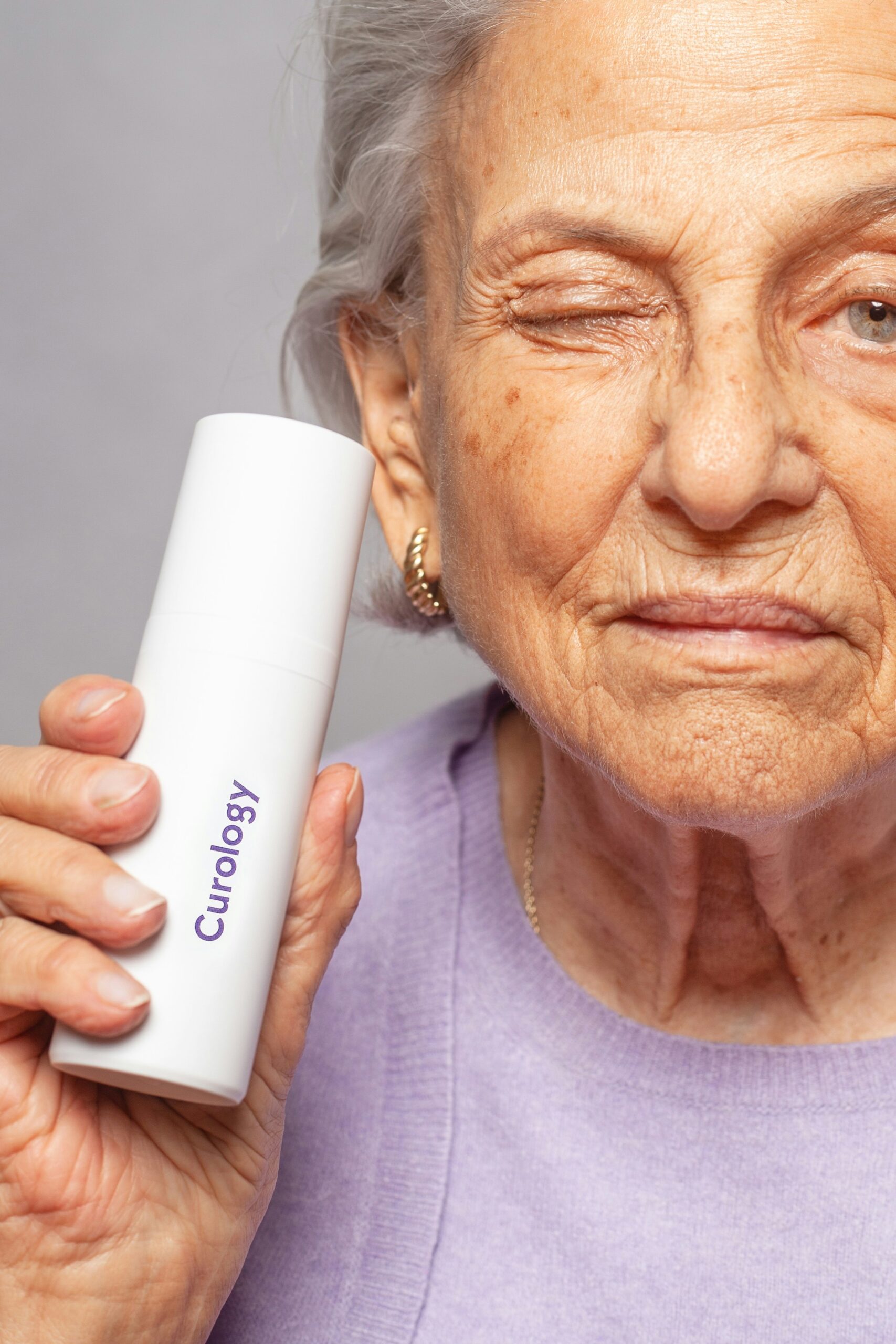
Most anti-wrinkle creams that “don’t work” aren’t actually failing because of a weak formula — they’re failing because the active ingredient never gets where it needs to go. Retinol, peptides and antioxidants can all genuinely reduce the appearance of fine lines, but only if they penetrate past the skin’s surface barrier in a form the skin can actually use. That delivery problem, not the ingredient list, is usually the real reason a cream underperforms.
The Skin Barrier Is Doing Its Job Too Well
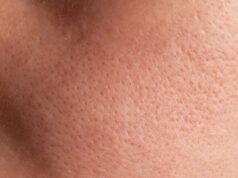
Skin’s outermost layer, the stratum corneum, exists specifically to keep things out — that’s the whole point of a barrier. Most active molecules used in anti-ageing skincare are simply too large or too unstable to cross it in meaningful concentrations. A cream can list an impressive percentage of retinol on the label and still deliver almost none of it to the layers of skin where collagen is actually made, because the molecule never got past the first few cell layers.
Why Concentration on the Label Doesn’t Equal Concentration in the Skin
Manufacturers are only required to disclose how much active ingredient is in the formula, not how much of it actually reaches living tissue. Two products with identical retinol percentages can perform completely differently depending on the delivery system built around that active — encapsulation, molecular size, and the vehicle it’s suspended in all affect how much survives contact with skin long enough to be absorbed.
Where In-Clinic Treatments Solve the Same Problem Differently
This is precisely the gap that in-clinic treatments are designed to close, by bypassing the barrier altogether rather than trying to out-formulate it. Skin Boosters and Polynucleotides deliver hydrating and regenerative actives directly into the dermis via micro-injection, sidestepping the barrier entirely. 3D Radiofrequency Microneedling and standard Microneedling create temporary micro-channels that let topical actives penetrate far deeper than they could on unbroken skin, which is why the same ingredients often perform better immediately after a session. PRP Therapy / Vampire Facial and Exosomes / Puresomes go further still, delivering biological signalling molecules that a jar of cream was never going to be able to carry across the skin barrier in the first place.
Getting More From What You’re Already Using
None of this means home skincare is pointless — it means sequencing and preparation matter more than most routines account for. A course of Chemical Peels or regular Facials and Peels can thin the outermost dead skin layer just enough to improve how well topical actives absorb afterwards. A proper Skin Care Routine built around Hyaluronic Acid Products also keeps the barrier hydrated and more permeable than dry, compromised skin, which absorbs almost nothing effectively regardless of what’s applied. Daily Sun Screen matters here too — UV damage thickens and hardens the very barrier you’re trying to get actives through, making every other step less effective over time.
Sourcing Matters as Much as the Science
Delivery technology varies enormously between brands, and not every product claiming “advanced delivery” backs it up. Reputable clinics and retailers source from an established Aesthetic Medicine Shop or trusted supplier of Medical Grade Peels and Polynucleotide Injectables, rather than unverified formulas with delivery claims nobody can substantiate.
The Takeaway
If your anti-wrinkle cream isn’t delivering results, the ingredient is rarely the problem — the delivery is. Understanding that distinction changes where you should be putting your effort and your budget: preparing the skin barrier properly for what you’re already using, and turning to in-clinic treatments for the actives that topical application simply can’t get where they need to go on their own.