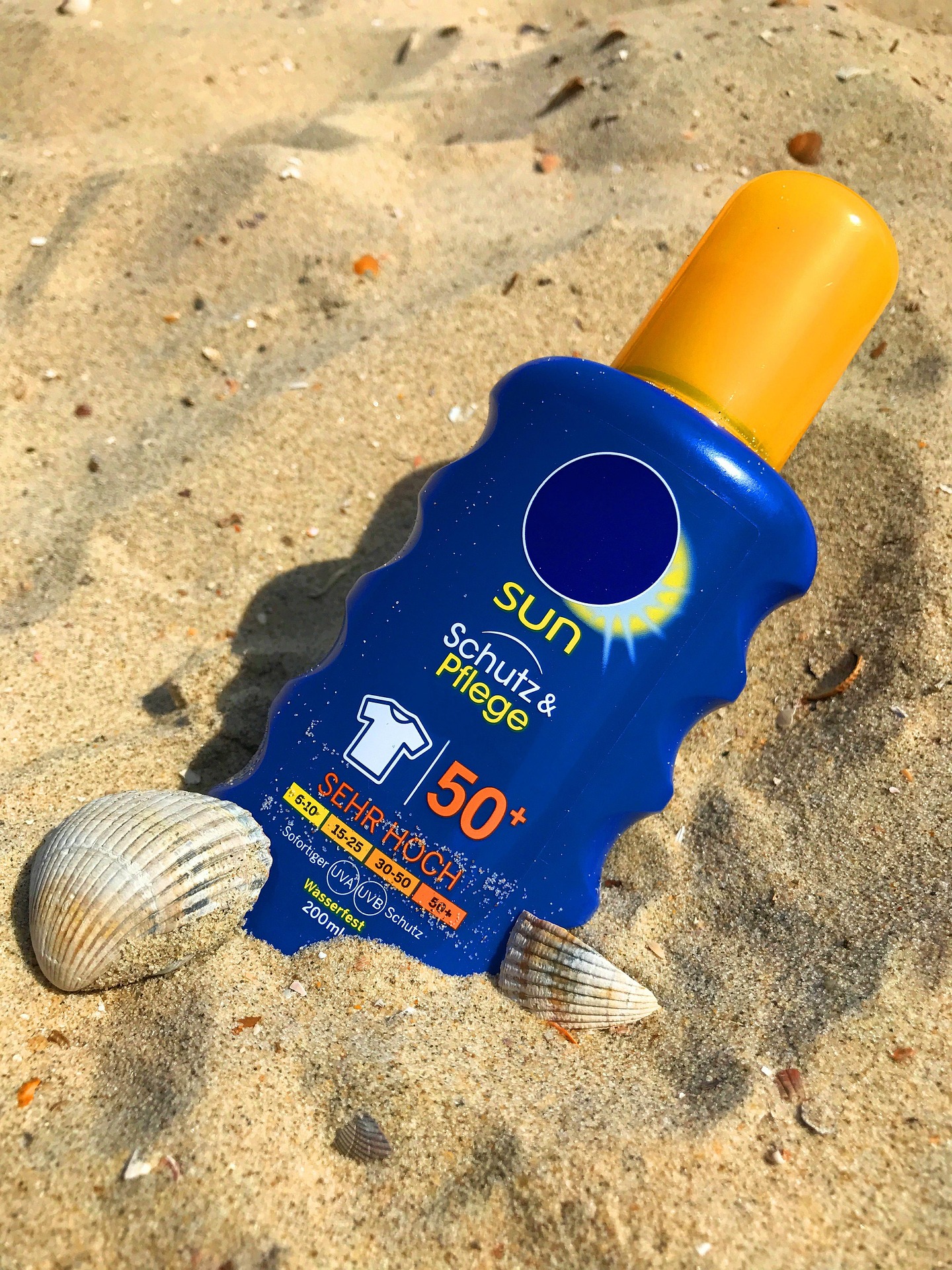
The No-White-Cast Guide: The Best Suncreams of 2026 That Won’t Leave You Looking Ghostly in Holiday Photos
If you’ve ever uploaded a holiday photo only to discover you look like you’ve dusted your face in chalk, you already know the white cast struggle is real. In 2026, there’s no good reason to be choosing between sun protection and looking like yourself in photos. The formulas have caught up — you just need to know what to look for.
Here’s how to find a sunscreen that actually works for your skin tone, photographs beautifully, and travels well.
Why White Cast Happens (and Why It Matters More Now)
White cast is typically caused by mineral UV filters — zinc oxide and titanium dioxide — which sit on top of the skin and scatter light. They’re brilliant at blocking UV rays, but older and cheaper formulations leave a pale, grey, or ashy residue that’s unflattering on all skin tones and absolutely unforgiving on camera.
Modern formulations have found ways around this. Micronised mineral particles, tinted bases, and hybrid chemical-mineral blends now offer the same broad-spectrum protection without the ghostly finish. The result? Sun protection that actually works with your skin instead of against it.
What to Look For in a No-White-Cast Formula
1. Tinted or Skin-Tone-Adaptive Formulas
Tinted sunscreens have come a long way. They neutralise the white cast at the formula level rather than relying on you to blend it out. Look for options with iron oxides, which not only eliminate the ashy finish but also add protection against visible light — a bonus for anyone managing pigmentation or post-treatment skin.
2. Chemical or Hybrid Filters
Chemical sunscreens absorb UV rather than reflecting it, which means zero white cast by design. Hybrid formulas combine chemical and mineral filters to give you the safety profile of mineral protection with the finish of a chemical one. If you’re maintaining results from skin rejuvenation treatments or post-procedure care, a hybrid SPF is often the most skin-compatible option.
3. Lightweight, Non-Comedogenic Formulas for Travel
Heavy, occlusive textures don’t just look bad in photos — they’re miserable in summer heat. For travel, look for gel-cream or water-fluid textures that absorb quickly, don’t pill under makeup, and won’t clog pores when you’re sweating through an airport.
Speaking of which, a solid sun screen is always worth sourcing from a trusted supplier — whether that’s buying before you fly or picking up from a reputable aesthetic medicine shop that stocks medical-grade options.
4. SPF That Supports Your Treatment Investment
If you’ve had injectable treatments, microneedling, chemical peels, or 3D radiofrequency microneedling, daily SPF isn’t optional — it’s essential. UV exposure is one of the fastest ways to undo the collagen-building, skin-smoothing work those treatments deliver. A good sunscreen protects your investment.
The same applies after polynucleotides or PRP therapy — both of which actively boost collagen production and leave skin more sensitive to UV in the days following treatment.
Application Tips for a Photo-Ready Finish
- Apply to completely dry skin — any residual moisture can activate white cast in mineral formulas
- Use the right amount — most people apply less than half the recommended dose, which cuts your SPF protection significantly
- Layer over skin boosters or serums, not underneath — sunscreen should always be your final skincare step before makeup
- Reapply every two hours outdoors, using a setting-spray SPF mist if you’re wearing makeup
- Choose tinted SPF for darker skin tones — untinted mineral formulas are the biggest offenders for ashiness on deeper complexions
Don’t Skip SPF Just Because You’re Indoors
If you’re working on your skin care routine or recovering post-treatment, remember that UV rays come through windows. UVA — the ageing ray — penetrates glass. If you’re sitting near a window in a hotel room, on a plane, or working from a sunlit café, your skin is still being exposed.
A lightweight SPF 50 every morning, regardless of your plans, is the single most effective addition to any skin care routine.
The Bottom Line
The best sunscreen of 2026 is one you’ll actually wear — every day, in every light, without thinking twice about how it looks. That means finding a formula that suits your skin tone, photographs well, and fits into your summer lifestyle without any extra effort.
Don’t let white cast be the reason you skip protection. Your skin — and your holiday album — will thank you.