Aesthetic medicine helps people feel confident and comfortable in their skin. However, clinics increasingly encounter patients struggling with Body Dysmorphic Disorder (BDD). For these individuals, no amount of treatment will resolve their internal distress. Implementing a psychological safety net through BDD screenings is vital, but many practitioners fear this process will alienate clients. You can protect your patients and your practice by integrating these screenings with empathy and care.
The Hidden Risks of Chasing Perfection
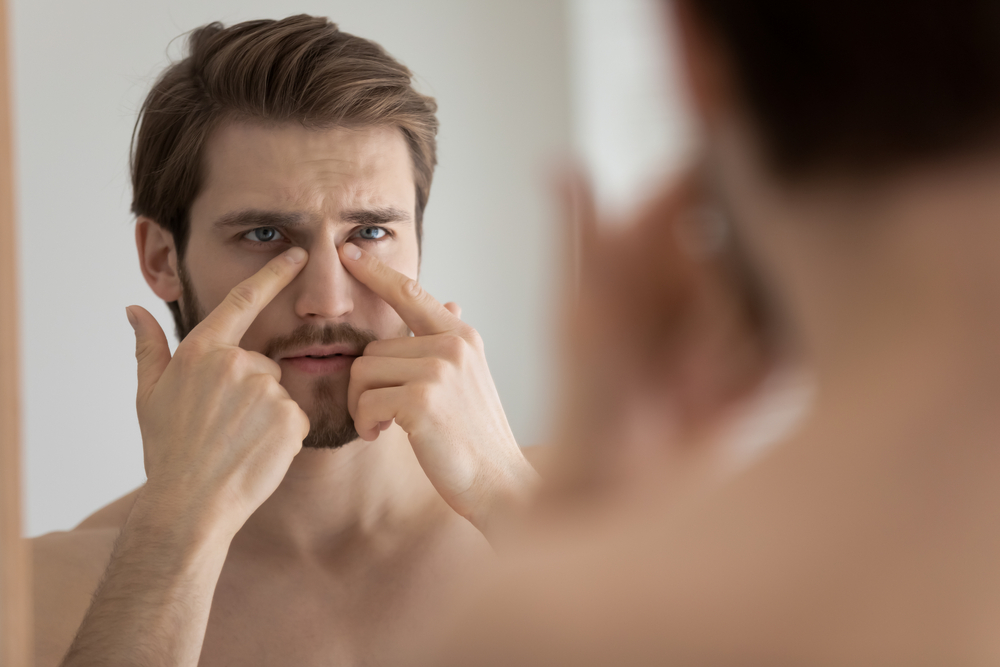
Patients with BDD obsess over perceived flaws that others barely notice. They often seek out frequent Beauty Treatments hoping for an emotional fix. A patient might request repeated Lip Fillers or a Non-Surgical Nose Job to correct an imaginary defect.
When practitioners perform Injectable Treatments on these patients, the results rarely bring satisfaction. Instead, the patient usually shifts their focus to a new “flaw,” perhaps demanding aggressive Wrinkle Reduction or unnecessary Jaw Filler / Enhancement. Screening for BDD prevents you from performing procedures that could worsen a patient’s psychological state.
Normalizing the Screening Process
The key to successful screening is normalization. If you treat a psychological questionnaire as a standard part of your medical intake, patients will accept it without feeling targeted.
Frame the conversation around holistic well-being. Explain that your clinic prioritizes both physical and mental health. Just as you might recommend Private Blood Testing or Wellness Panels to check for nutritional deficiencies before starting Skin Tightening Treatments, a psychological screening ensures the patient is ready for cosmetic changes. When you present it as a routine safety measure, patients appreciate the thorough, premium care you provide.
Building Trust Through Empathy
Sometimes, a screening will reveal red flags. A patient might display an unhealthy fixation on Frown Lines or Eye Bags / Dark Circles. Handling this requires immense empathy.
Do not dismiss their concerns or label them. Instead, gently explore their motivations. If a patient requests excessive Botox Injections or heavy Cheek Enhancement to save a failing relationship, you must pause the treatment. Explain that while Hyaluronic Fillers can enhance natural features, they cannot heal emotional pain.
Offer them alternative, low-risk skin therapies to maintain the clinic relationship while gently directing them toward proper psychological support. A soothing Medical HydraFacial or establishing a healthy Skin Care Routine allows them to practice self-care without altering their facial structure.
Protecting Your Patients and Your Practice
Implementing BDD screenings does not mean you will lose patients. In fact, it builds a foundation of profound trust. Clients respect practitioners who prioritize safety over profit. By establishing a robust psychological safety net, you elevate your clinical standards. You ensure that every procedure—from Anti-Aging Injections to complex Skin Rejuvenation—genuinely improves your patient’s quality of life. Start integrating standardized psychological questionnaires into your consultation process today to foster a safer, more ethical aesthetic practice.